







Summary:
- Albert Taremwa, the team leader of LOSCO, stated, “If we have over 1,300 teenage pregnancies annually in Kigezi, where are they? How many actually deliver, where do they abort from? How many die in the process?”
KABALE: Stakeholders in reproductive health have emphasized the need for parents in the Kigezi sub-region to educate their daughters about sex education to reduce the rising incidence of teenage pregnancy in the area.
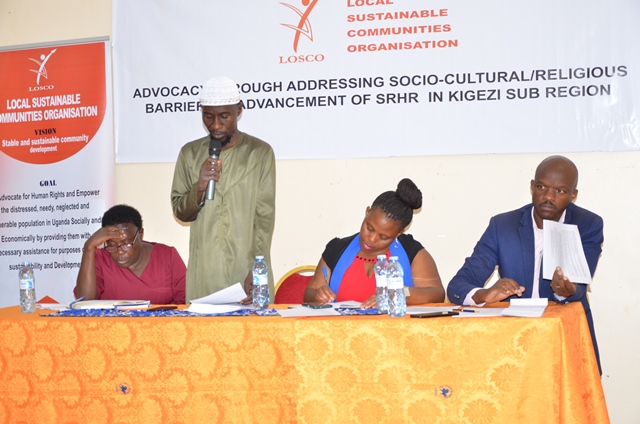
During an advocacy dialogue organized by the Local Sustainable Communities Organization (LOSCO) at the White Horse Inn in Kabale Municipality, aimed at addressing socio-cultural, religious, and political barriers in advancing Sexual and Reproductive Health and Rights (SRHR) on Friday, Tumuhairwe Florence, the founder of Kigezi Women in Development, highlighted that the lack of sex education among youth leads to misconceptions and a lack of awareness about sexual reproductive health rights. This, in turn, drives children to seek information from unreliable sources.
Tumuhairwe also noted that activists often face strong backlash from religious and traditional leaders while advocating for comprehensive sexuality education, which has contributed to the escalating cases of teenage pregnancies in the region.

CUE IN TUMUHAIRWE…..ON THREATS………ENG//

The Kabale District Senior Probation Officer, Monicah Muhumuza Nzeirwe, stated that there is a need to enforce national policies that promote sexual reproductive health rights to curb increased domestic violence, rape cases, and access to pornographic sites that largely influence children’s sexuality.
CUE IN MUHUMUZA….ON POLICIES…….ENG//
The Kabale District Health Officer, Dr. Arinaitwe Gilbert Mateeka, stressed the need for combined efforts from the community to combat teenage pregnancy before health facilities become overburdened with its consequences. Mateeka emphasized the importance of community support in helping young girls choose the right partners and advising them on the consequences of abortions resulting from unplanned pregnancies.
CUE IN MATEEKA….ON THE MATTER…..ENG//
Albert Taremwa, the team leader of LOSCO, stated, “If we have over 1,300 teenage pregnancies annually in Kigezi, where are they? How many actually deliver, where do they abort from? How many die in the process?”
He added, “What kind of message do we put across and how? Do we take time to evaluate the impact of our own actions and decisions as leaders? As different leaders make efforts to promote income generation for families, how does it look from a health angle concerning the progress of SDG3, which aims to ensure healthy lives and promote well-being for all at all ages?”
Taremwa called for resource support in terms of health provider training and capacity building, information, education and communication materials, and the involvement of stakeholders, including parents, teachers, and legislators.
He pointed out that the main health problems affecting youth and women involve multiple issues concerning their sexual and reproductive health needs.
“Every year, over 25 million unsafe abortions take place, and up to 37,000 women die. Evidence shows that restricting access to abortion does not reduce the number of abortions that occur,” Taremwa said.