






This week, the National Resistance Movement (NRM) launched its nationwide party elections an important process that determines leadership from the village level up to the presidential flag bearer. These elections reflect the party’s commitment to democracy and grassroots participation.
President Yoweri Museveni set an example by returning to his home in Rwakitura, Kiruhura District, where he voted in accordance with party guidelines. Similarly, the First Lady cast her vote in Ntungamo District.
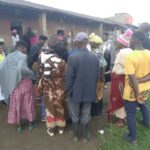
Across the country, NRM supporters turned out in large numbers to elect their representatives an encouraging display of civic engagement and respect for democratic structures.
In Greater Kabale, the elections proceeded peacefully for the most part, with enthusiastic voter turnout. However, a troubling and dangerous development was reported in certain areas one that demands urgent public attention.
In several places, including Butanda Sub-county (Kabale District), Hamuhambo Town Council, Mukateretere, Nangara in Nyamweru Sub-county, and Kashasha Town Council (Rubanda District), some religious leaders were seen actively engaging in partisan politics.

These were not isolated incidents of clergy members simply voting, but cases where they campaigned and urged Christians to vote based on religious lines.

In Kabale Municipality, for example, a reverend from All Saints Church was reportedly campaigning openly for a specific candidate who ultimately lost. But the issue here isn’t the outcome; it’s the dangerous message being sent that religious affiliation should influence political choice within the NRM.
This is deeply concerning. Religious leaders have a sacred duty to foster peace, unity, and moral guidance not to politicize the pulpit or pressure congregants into voting a certain way. Uganda is a secular nation, and the NRM is a party that unites people of all religions and ethnic backgrounds.
Allowing religious leaders to use their influence for political gain risks undermining both our democracy and our social cohesion.
History provides sobering lessons. In Rwanda, divisive rhetoric including from some clergy contributed to a genocide that claimed nearly one million lives. In Nigeria, extremist groups like Boko Haram use religion as a weapon to divide and destroy. In Lebanon, sectarian politics have crippled national unity and governance for decades.
Uganda must not follow these paths. We have worked hard to build and maintain peace. The church and all religious institutions must remain sanctuaries of worship and reconciliation, not political battlegrounds.
We must protect our democratic process, our national unity, and the credibility of our religious institutions. If we allow clergy to openly campaign, we risk losing all three and once lost, peace is not easily regained.
All religious institutions must take responsibility and guide their leaders accordingly. The role of reverends, priests, pastors, imams, and sheikhs is to pray for the nation and offer spiritual counsel not to endorse political candidates.
NRM elections should be based on policies, ideas, and a candidate’s service to the people not on religion. Let every Ugandan vote freely, without pressure or manipulation. And let us all, regardless of faith or party affiliation, stand united against sectarianism in any form.
Uganda belongs to all of us. Let us protect it together.
By Dorcus Martha Mbesiga, a concerned citizen