




Local and religious leaders in Rukiga District have raised concern over the declining number of boys attending school, warning that the trend could affect their future and create gender imbalances in society.
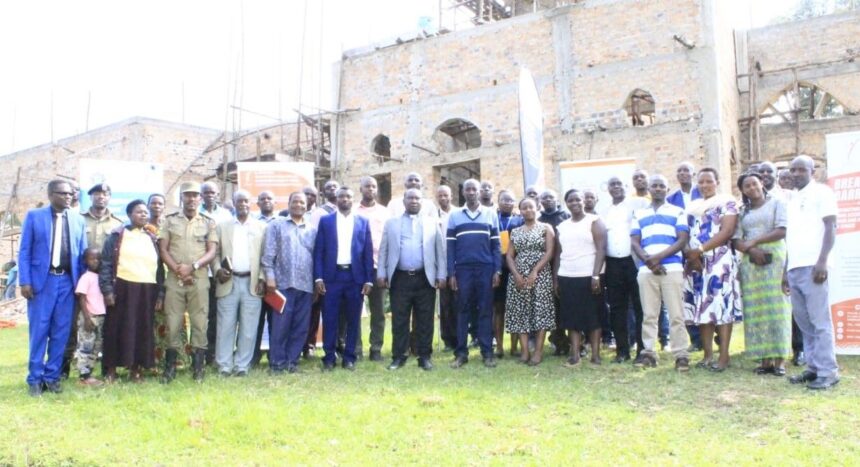
The concern was raised during a one-day mobile inclusive outreach clinic organized by the Local Sustainable Communities Organization (LOSCO) under the theme Breaking Barriers: Promoting Inclusive Sexual and Reproductive Health and Rights (SRHR) Access for the Poor and Marginalized in the Kigezi Sub-region.
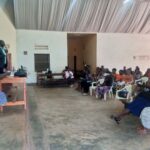
The outreach was held at St Joseph’s Butaturwa Church of Uganda in Nyarurambi Parish, Rwamucucu Sub-county, Rukiga District. Venerable Joshua Owoyesiga, the Archdeacon of Kihanga Archdeaconry, said he had observed a worrying difference between the number of boys and girls in some schools he visited while dedicating Primary Seven candidates.
Without disclosing the names of the schools, Ven. Owoyesiga said one school had only three boys out of 17 pupils, while another had four boys among 24 pupils. He said the trend suggested that an increasing number of boys were dropping out of school and engaging in casual labor instead of pursuing education.
According to Ven. Owoyesiga, the situation could leave girls with better educational opportunities than boys, potentially creating an imbalance in future employment and other sectors of society. He further warned that boys who miss out on education and economic opportunities could develop feelings of inferiority, which he said might contribute to family conflicts and domestic violence.

CUE IN VEN. OWOYESIGA…ON BOY CHILD…RR//

Amedi Bende, the Rukiga District LC5 councilor representing Mparo Town Council, acknowledged the increasing number of boys dropping out of school and called for joint efforts between government and religious institutions to address the challenge. He said empowering the boy child through education and other support programmes is necessary to give them better opportunities and secure their future.
CUE IN BENDE…ON BOY CHILD…RR//
Elizabeth Natukunda, the Director of Kihanga Child Development Centre, attributed the increasing school dropout rates among boys partly to the absence of fathers in families. She said the lack of paternal guidance and support could leave boys without the mentorship and encouragement they need to remain in school and make responsible decisions.
CUE IN NATUKUNDA…ON FATHERS…ENG//
SP Gilbert Mwebembezi, the Police community liaison officer for the Kigezi Sub-region, has urged parents to take individual responsibility for nurturing and guiding their children instead of blaming the government for challenges affecting their upbringing.
CUE IN SP MWEBEMBEZI…ON PARENTS…RR//
Meanwhile, Albert Taremwa, the Executive Director of Local Sustainable Communities Organization (LOSCO), said the mobile inclusive outreach clinic was organized to gather concerns affecting residents and channel them to relevant higher authorities for consideration and possible intervention.