








Summary:
- Brigadier General Dr. Eugene Ngoga, speaking on behalf of the RDF Chief of Defence Staff, welcomed the experts and emphasized the importance of the meeting’s outcomes.
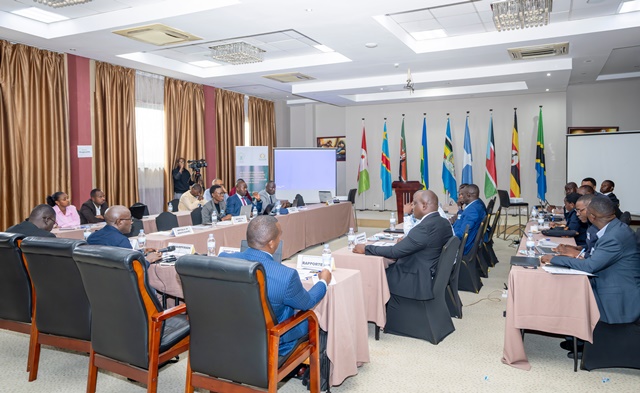
KIGALI: Experts from the East African Community (EAC) partner states have gathered in Kigali, Rwanda, for a crucial Multi-Agency Experts Working Group meeting.
The three-day event, which aims to develop Standard Operating Procedures (SOPs) and protocols for managing Chemical, Biological, Radiological, Nuclear, and Explosive (CBRNE) threats, brings together key stakeholders from various sectors across the region.
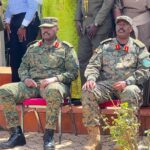
In his opening remarks, Brigadier General Dr. Eugene Ngoga, speaking on behalf of the RDF Chief of Defence Staff, welcomed the experts and emphasized the importance of the meeting’s outcomes.

“Your presence here underscores our collective commitment to strengthening the security of our region and safeguarding our people from the complex and evolving threats posed by CBRNE risks,” he stated.

He highlighted that the forum would play a vital role in enhancing the region’s preparedness and interoperability in addressing security challenges.
“Through this forum, we demonstrate the unity that defines the EAC. Together, we have the opportunity to create protocols and procedures that will improve our readiness, increase our interoperability, and ensure the safety and security of our region,” Brig. Gen. Ngoga added.
Colonel Deng Mayom Manyang Malual, Defence Liaison Officer from South Sudan and representative of the EAC Secretary General, expressed confidence in the meeting’s success.
He commended the diverse group of experts, including medical professionals, scientists, chemists, military personnel, police officers, and civilians, for their collaborative efforts to develop a comprehensive framework that will guide military operations across the EAC partner states.
The East African Community (EAC) is a regional intergovernmental organization comprising eight partner states. Its mission is to promote sustainable development and regional integration across various sectors, including trade, infrastructure, and health.