
The Presidential Initiative on Skilling the Girl and Boy Child (PISGBC), currently equipping young Ugandans in Soroti (Eastern Region) with vocational skills, has been called upon by the Catholic Women Apostolate (CWA) to be expanded to include women at the grassroots level.
While the program has so far targeted youth, CWA argues that extending it to adult women would enhance economic empowerment and self-reliance among women in rural communities.
The initiative was launched to address high levels of youth unemployment, especially among those without formal education. Participants are trained in tailoring, knitting, baking, hairdressing, and weaving skills that can be turned into income-generating activities.
Agness Todi Angarat, a committee member of the Soroti Catholic Diocese CWA, emphasized the transformative potential of these skills when offered as viable career options. “When young people acquire practical skills, their vulnerability to poverty and crime is greatly reduced,” she said.
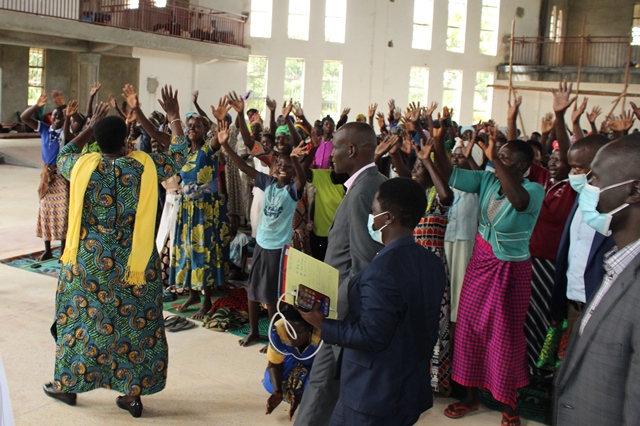
Angarat made these remarks during a five-day CWA conference held from Monday, May 5 to Friday, May 9, 2025, at St. Stephen Catholic Parish in Katakwi Town Council. The event, themed “Remaining in the Love of God,” drew over 2,500 women from 31 churches affiliated with the CWA.

While praising the success of the PISGBC in reducing unemployment, fostering entrepreneurship, and enabling young people to build sustainable futures, Angarat urged the government to also prioritize practical skills training for women. She pointed to the effectiveness of other government initiatives like the Parish Development Model (PDM) and Emyooga, where women have shown strong participation and success.

Katakwi Deputy Resident District Commissioner, Vincent Xaviour Okwii, acknowledged the demand for broader inclusion in skilling programs and reaffirmed the government’s commitment to supporting vocational training.
Vice President Maj. Rtd. Jessica Rose Alupo Epel encouraged women to make the most of available government funding and resources. She pledged continued support for the CWA, including the provision of He-goats to aid in their empowerment initiatives.
Alupo also urged women to remain hardworking within their families to tackle household poverty.
She noted that many beneficiaries particularly women from underprivileged backgrounds have gone on to start small businesses or secure employment, contributing positively to their communities.