






Residents of Kafunjo and Kitanga parishes in Buhara Sub- County, Kabale District, have raised alarm over the persistent lack of reliable telecommunication services, which they say has disrupted their businesses, social interactions, and family connections.
Locals report consistently poor phone network quality, marked by dropped calls, weak signals, high communication costs, and limited access to essential digital services, including mobile money.
Katongore Sabiiti Emmanuel, the councilor for Kitanga Parish, said many residents rely on a Rwandan mobile network that charges about three shillings per second. “Most people cannot subscribe to monthly bundles because the network is not Ugandan-based,” he explained.
Alexander Tumwesigye, councillor for Kafunjo Parish, added that while many residents own smartphones, poor connectivity keeps them off social media platforms such as WhatsApp, Facebook, and X. He said residents often have to walk long distances to Kabanyonyi Trading Centre in Buhara Sub- County to access mobile money and other financial services.
Tumwesigye also highlighted that calling residents in the two parishes is costly because all calls are routed through the Rwandan network. He noted that the absence of electricity in both parishes further compounds the communication challenges.

“Despite repeatedly electing leaders who promise solutions, no tangible action has been delivered,” he lamented.

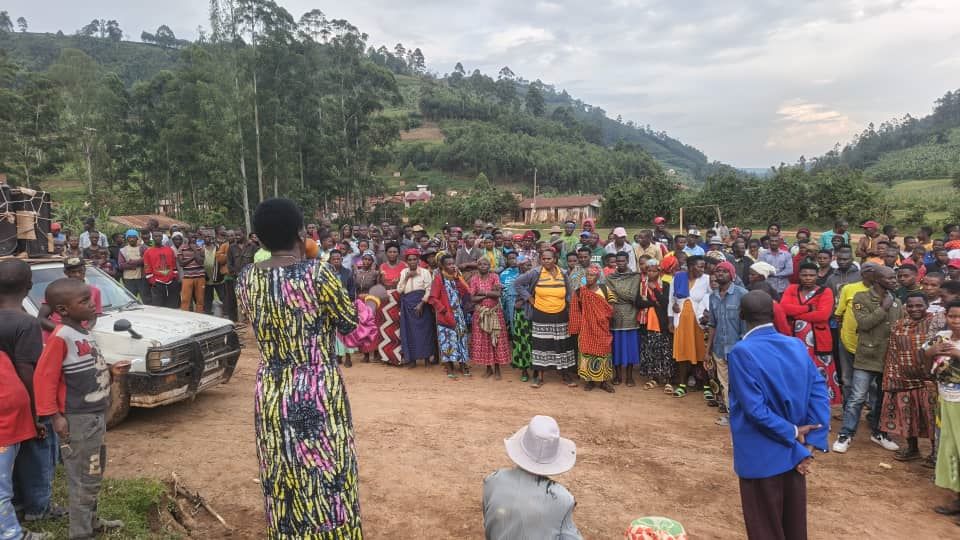
On Wednesday, while campaigning in Kafunjo Parish, Kabale District Woman Member of Parliament aspirant Grace Ankunda Bekunda Bwesigye pledged to lobby for the installation of a telecommunications mast and the extension of electricity services if elected to Parliament this January.
Ankunda, however, criticized voters for repeatedly electing the same leaders in exchange for small incentives, such as alcohol or minor cash handouts, instead of prioritizing candidates committed to addressing critical community challenges.