
Public service is traditionally regarded as a noble calling, one rooted in integrity, accountability, and a commitment to the common good. Yet in Uganda today, a troubling perception appears to be taking hold: that corruption and the accumulation of wealth are not obstacles to public respect or political success, but in some cases a pathway to it.
This growing “be corrupt and be rich” syndrome reflects a deeper crisis in governance, public morality, and accountability.
Over the years, allegations and public debates surrounding corruption have frequently dominated Uganda’s political landscape. Several senior officials—some occupying the highest levels of leadership—have faced accusations of misuse of public resources. Yet despite recurring controversies, many continue to wield significant political influence, maintain their positions, and even enjoy strong public support.
The contradiction is striking. In a system where accountability should determine leadership credibility, individuals linked to corruption allegations often remain politically powerful and socially respected.
Part of the explanation lies in the gradual normalization of corruption within the political system. When misuse of public funds appears widespread and consequences are rarely visible, public outrage slowly fades into resignation. Citizens begin to view corruption not as an unacceptable abuse of power but as an inevitable feature of politics.

Another factor is the powerful role of wealth in shaping political legitimacy. In many communities, visible prosperity carries enormous social weight. Politicians who distribute money during election campaigns, fund local initiatives, or provide personal assistance to constituents are frequently celebrated as generous and effective leaders. The origins of that wealth may be questioned privately, but the immediate benefits often overshadow broader concerns about accountability.

Institutional weaknesses also play a critical role. Strong anti-corruption frameworks depend on independent oversight institutions, efficient investigative agencies, and transparent legal systems. When these mechanisms appear slow, selective, or ineffective, public confidence in the fight against corruption inevitably erodes.
The consequences are far-reaching. A cycle emerges in which leaders accumulate wealth through questionable means, that wealth strengthens their political influence, and their political power protects them from meaningful scrutiny. Meanwhile, citizens, often grappling with limited economic opportunities and weak service delivery, may tolerate or even admire leaders who display material success.
Breaking this cycle requires more than exposing corruption scandals. It calls for deeper structural reforms: strengthening institutions, protecting whistleblowers, ensuring impartial investigations, and enforcing laws without fear or favor. Equally important is a cultural shift that values integrity over ostentatious displays of wealth.
Civil society organizations, religious leaders, the media, and ordinary citizens all have a critical role to play in challenging the normalization of corruption. Leadership must once again be measured by service, honesty, and accountability—not by the size of one’s bank account.
Uganda’s future depends on restoring the principle that public office is a public trust, not a personal enrichment opportunity. Only when integrity becomes the true measure of leadership will the damaging belief that one must “be corrupt and be rich” to succeed in public life begin to fade.
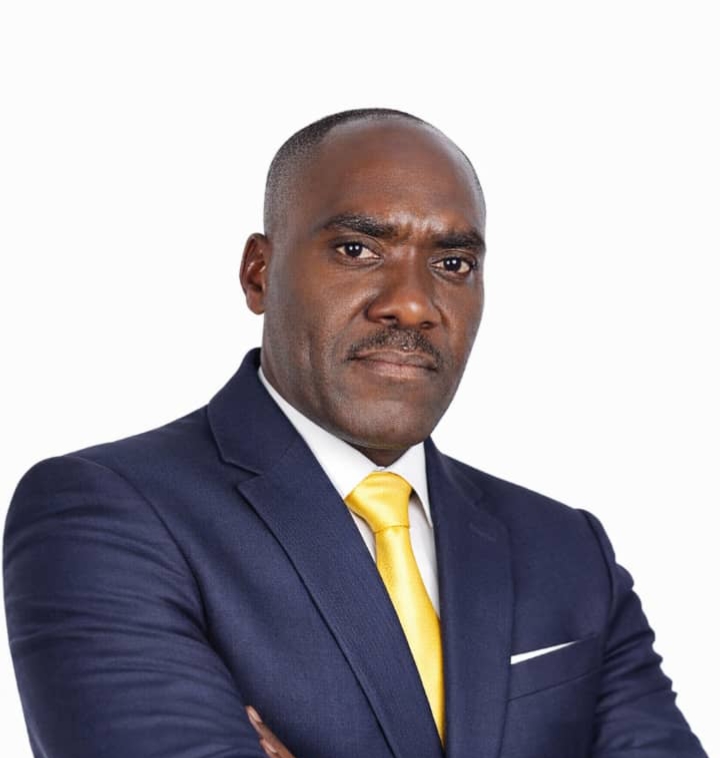
The Writer, Edmund Atusasire is a Researcher, Politician and Social Analyst.