
The public debate sparked by Rt. Hon. Anita Annet Among on a proposed constitutional amendment to extend political terms from five to seven years is both timely and necessary. It opens a critical national conversation about how Uganda can balance stability, democratic accountability, and long-term development.
Across the region, comparisons have already emerged. Rwanda, for instance, operates under a system that includes longer presidential terms alongside term limits. For advocates of regional integration, particularly the long-envisioned East African Political Federation, harmonising governance frameworks—such as term lengths—may appear attractive.
Yet, Uganda must approach this question not as an exercise in imitation, but as a deliberate choice rooted in its own democratic aspirations and institutional realities.
At the heart of this proposal lies a compelling argument: that a seven-year term could provide leaders with sufficient time to plan and implement transformative national projects. Indeed, five years often proves too short for governments to fully design, finance, and complete large-scale infrastructure or socio-economic programmes. A longer tenure could also reduce the near-constant cycle of campaigning that distracts leaders from governance.
There is also a case to be made for stability. Fewer elections could mean less political tension, more policy continuity, and a more predictable environment for investors. In theory, this stability could translate into sustained economic growth and improved service delivery.

However, these benefits cannot be considered in isolation. Extending term lengths without restoring firm term limits risks weakening democratic accountability. A longer stay in office may reduce the frequency with which leaders are directly answerable to the electorate. Over time, this could breed complacency or even entrenchment in power.

That is why any serious reform must go hand in hand with safeguards. A return to strict term limits—capping leadership at two terms—would ensure that extended tenure does not come at the expense of democratic renewal. Fourteen years in office, if effectively utilised, is sufficient for any leader to leave a meaningful legacy while allowing space for new leadership and ideas.
Equally important is the process through which such a change is made. A constitutional amendment of this magnitude should not be confined to parliamentary corridors alone. It demands broad-based public participation. A national referendum would offer Ugandans the opportunity to directly shape the future of their governance, lending legitimacy and ownership to the outcome.
The question of leadership renewal also deserves attention. Uganda must reflect on how best to ensure that public office remains accessible to capable and energetic individuals, while respecting the contributions of seasoned leaders.
The image of elderly leaders struggling to perform demanding public duties raises legitimate concerns about effectiveness, dignity, and institutional resilience.
Ultimately, the proposal for a seven-year term is not inherently flawed—but neither is it automatically beneficial. Its success depends on the broader framework within which it is implemented. Stability must be balanced with accountability; longevity with renewal; and ambition with restraint.
Rt. Hon. Anita Among has, intentionally or not, ignited a debate that Uganda cannot afford to ignore. The challenge now is to ensure that this conversation remains inclusive, evidence-based, and focused on strengthening, not weakening, the country’s democratic foundations.
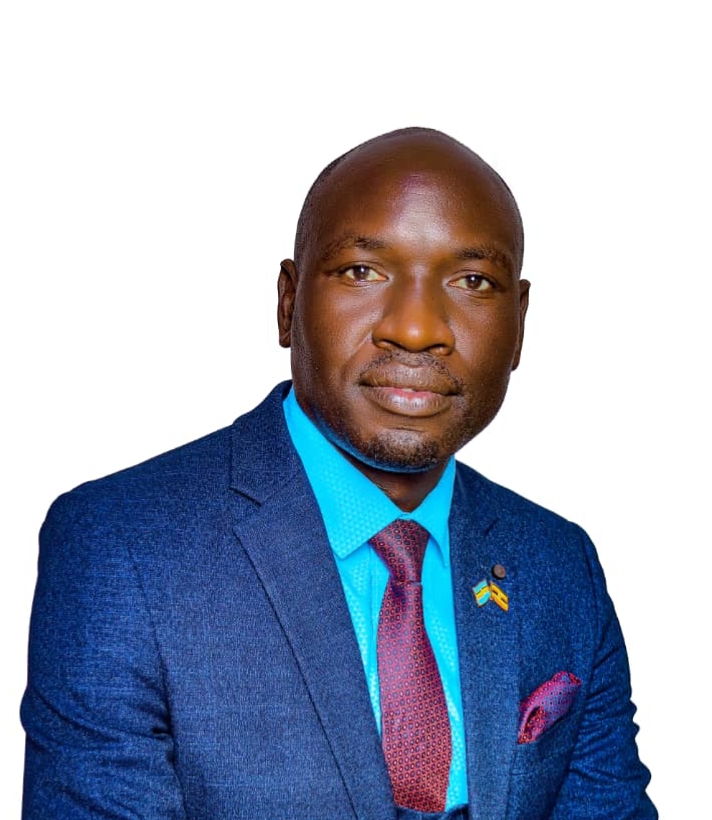
By Dr. Joseph Tindyebwa, (Ph.D) , Senior Lecturer and Research Consultant at KIU, Former EALA MP Aspirant and Former Principal Policy Analyst, Parliament of Uganda.