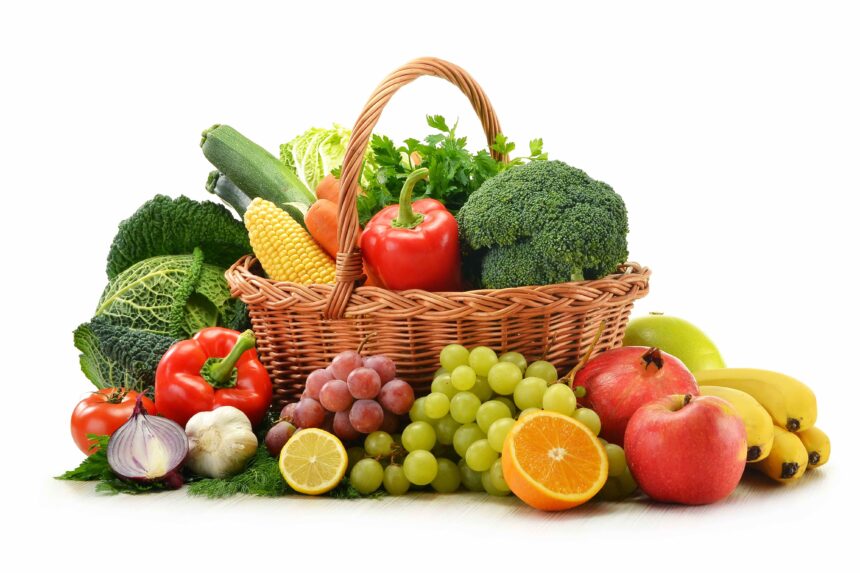

Fruit and vegetables are among the most powerful foods available to us, yet many people still do not eat enough of them. Too often, they are treated as side dishes, garnishes, or optional extras. In reality, they should sit at the centre of our daily meals.
As a nutritionist, I often emphasize that fruits and vegetables are not just “healthy additions.” They are nutritional essentials. They provide vitamins, minerals, fibre, water, and a wide range of plant compounds that work together to support overall health. These include familiar nutrients such as vitamin C, vitamin A, folate, and potassium, as well as less well-known but equally important compounds like flavonoids and carotenoids. Together, these help reduce inflammation, protect body cells, and support long-term wellbeing.
One of the strongest arguments for eating more fruit and vegetables is their link to disease prevention. Diets rich in these foods are consistently associated with a lower risk of heart disease, stroke, and certain cancers. The reason is simple: they support multiple body systems at once. Fibre helps reduce cholesterol and improve digestion, potassium supports healthy blood pressure, and antioxidants protect cells from damage. Over time, these combined effects significantly improve cardiovascular health and overall resilience.
Another advantage is that fruits and vegetables are naturally low in calories but high in volume. This means they can fill you up without overloading your body with excess energy. For anyone trying to maintain a healthy weight, this is a major benefit. Meals built around vegetables, fruits, legumes, and other whole foods tend to be satisfying, nutritious, and balanced—without relying on processed, energy-dense foods.
Fibre deserves special attention. Many people do not consume enough of it, yet it is essential for good health. It supports digestion, prevents constipation, feeds beneficial gut bacteria, and may help protect against chronic diseases. Fruits such as oranges, guavas, apples, and bananas, and vegetables like carrots, sukuma wiki, spinach, cabbage, and okra are excellent sources. The key is variety, which ensures a broader range of benefits.

Variety is just as important as quantity. Not all fruits and vegetables provide the same nutrients. Dark leafy greens are rich in iron, folate, and vitamin K. Orange and yellow produce provides beta-carotene, which the body converts into vitamin A. Red and purple fruits often contain powerful antioxidants. A colourful plate is usually a healthier plate.

For many people, the challenge is not awareness but practice—how to eat more of these foods in daily life. Fortunately, it does not need to be complicated. Fruit can be eaten as a snack, added to breakfast, blended into smoothies, or served after meals. Vegetables can be included in stews, soups, stir-fries, sauces, or simply added as side dishes. Small changes, such as adding extra vegetables to beans or replacing sugary snacks with fruit, can make a meaningful difference over time.
In Uganda, we are fortunate to have a rich supply of locally available fruits and vegetables. Mangoes, bananas, pawpaw, pineapples, oranges, avocados, jackfruit, as well as greens like nakati, dodo, cabbage, carrots, tomatoes, and pumpkin, are widely accessible. These foods are not only nutritious but also affordable and culturally familiar. Choosing local produce also supports farmers and strengthens local food systems.
Beyond nutrition, fruit and vegetables help shape healthier eating habits overall. When they form a large part of the diet, there is naturally less space for highly processed foods, sugary drinks, and unhealthy snacks. In this way, they do not only add nutrition—they also help crowd out less healthy choices.
Fruit and vegetables are not optional extras. They are the foundation of a healthy diet. They protect the heart, support digestion, assist in weight management, and provide essential nutrients the body cannot do without. While the common recommendation is at least five servings a day, many people benefit from even more.
Ultimately, choosing more fruit and vegetables is a simple but powerful decision. It is not just about eating better, it is about investing in long-term health, preventing disease, and improving quality of life.
Eat more. Eat colourfully. Eat locally. Your body will thank you.
Kamara Daniel is a Nutritionist at Bwindi Community Hospital in Kanungu District