
As Uganda’s 11th Parliament approaches the end of its tenure, it leaves behind a legacy defined by intense debate, landmark legislation, public criticism, and decisions that shaped national discourse. For many Ugandans, this Parliament will be remembered as both active and controversial, a House that consistently dominated headlines and sparked nationwide conversation.
Throughout its term, Parliament handled critical national matters ranging from economic reforms and infrastructure financing to education, healthcare, and security. Parliamentary committees investigated corruption scandals, summoned government officials, and, in some cases, demanded accountability from public institutions. Several legislators emerged as outspoken voices on issues affecting ordinary citizens, particularly the rising cost of living, youth unemployment, and governance concerns.
However, the 11th Parliament also attracted sharp criticism over a series of contentious decisions that deeply divided public opinion.
Among the most debated issues was the allocation of controversial service awards to Parliamentary Commissioners. Reports indicating that top parliamentary officials had received substantial payments triggered widespread public outrage, with critics questioning the timing, transparency, and justification of such awards at a time when many Ugandans were facing economic hardship. The controversy sparked heated exchanges both inside and outside Parliament, exposing growing concerns about accountability and public trust.
The debate surrounding the National Coffee Amendment Bill also generated strong reactions across the country. Many Ugandans, particularly coffee farmers and opposition leaders, feared that the merger of the Uganda Coffee Development Authority (UCDA) into the Ministry of Agriculture would weaken the coffee sector and undermine farmers’ interests.

Supporters of the bill defended it as part of the government’s broader rationalization policy aimed at reducing public expenditure and eliminating duplication among agencies. Nevertheless, the debate revealed deep concerns about consultation, transparency, and the future of one of Uganda’s most valuable export sectors.

Another controversial development came with the passing of the Protection of Sovereignty and Constitutional Democracy Bill, which ignited debate over Uganda’s relationship with foreign influence, civil society organizations, and external funding. Supporters argued that the law was necessary to safeguard Uganda’s sovereignty and protect national interests from foreign interference. Critics, however, warned that the legislation could restrict civic space, weaken democratic freedoms, and intimidate dissenting voices.
The Anti-Homosexuality Act also became one of the defining and internationally scrutinized, actions of the 11th Parliament. While many legislators defended the law as a measure to protect Uganda’s cultural and religious values, human rights organizations and foreign governments condemned it, arguing that it violated fundamental freedoms and damaged Uganda’s international image.
Beyond legislation, Parliament frequently faced criticism over partisan politics, absenteeism, internal conflicts, and what some members of the public described as excessive expenditure. Heated confrontations, suspensions, and dramatic debates occasionally overshadowed serious legislative business, reinforcing perceptions of a deeply polarized House.
Despite the criticism, the 11th Parliament succeeded in keeping citizens actively engaged in national politics. Parliamentary proceedings increasingly became subjects of discussion on radio, television, and social media platforms, reflecting growing public interest in governance and accountability.
As its tenure nears conclusion, Uganda’s 11th Parliament leaves behind a mixed but unforgettable legacy, one characterized by activism and controversy, patriotism and polarization, oversight and political confrontation. Whether it will ultimately be remembered as a bold defender of national interests or as a Parliament that deepened political divisions, its impact on Uganda’s political landscape will remain part of the country’s democratic history for years to come.
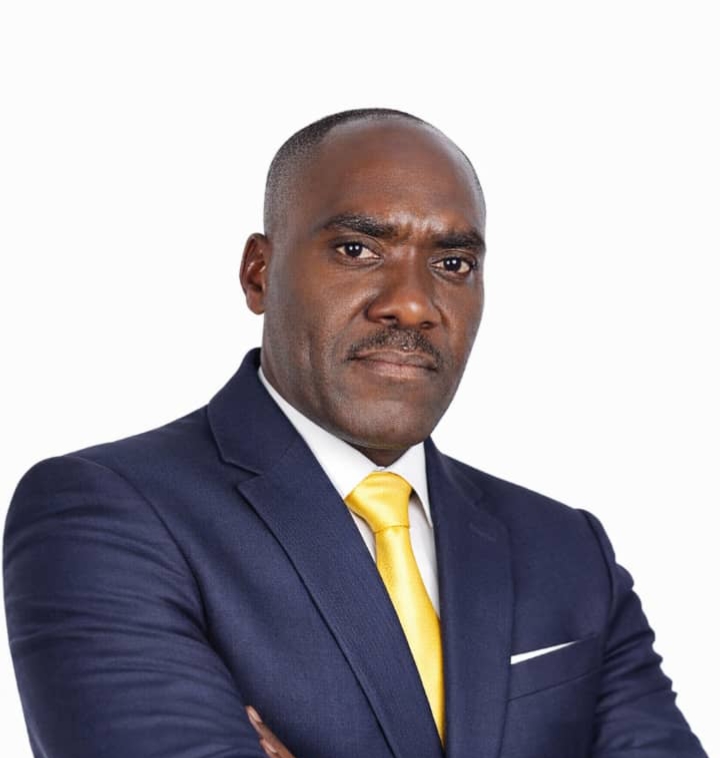
The writer, Edmund Atusasire, is a researcher, politician, and social analyst.