







Stakeholders in Rukiga District have called for stronger collaboration among health systems, justice institutions, local governments, civil society organisations and communities to improve access to sexual and reproductive health and rights (SRHR) services in the Kigezi sub-region.
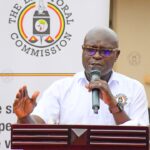
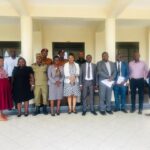
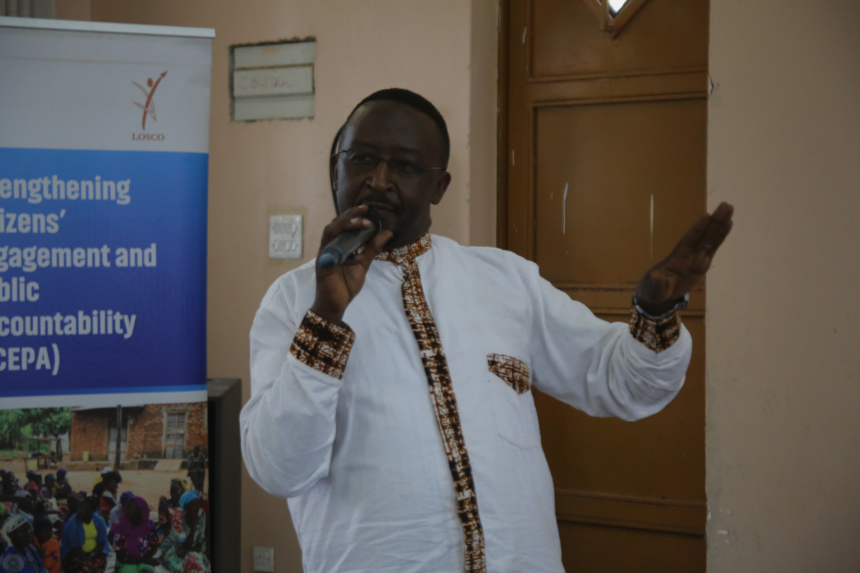
The Executive Director of LOSCO, Albert Taremwa, made the call on Wednesday during a one-day stakeholder engagement meeting in Rukiga District to discuss findings from an assessment on the status of SRHR services and access to justice in Kigezi, held under the theme, “Breaking Barriers: Promoting Inclusive SRHR Access for the Poor and Marginalized.”
He said coordinated efforts are essential to ensure that vulnerable communities are not left behind in accessing healthcare, justice and protection of their rights.
Taremwa said that despite progressive national policies, communities in Kigezi continue to face challenges including limited access to quality SRHR services, teenage pregnancies, gender-based violence, HIV vulnerabilities, weak referral systems, limited legal awareness and poor access to justice.
He attributed the challenges to the region’s mountainous terrain, remote rural communities, cross-border migration, porous borders, poverty, climate-related vulnerabilities and the presence of Indigenous Batwa communities, among other factors.

The assessment found moderate progress in maternal health, with improved skilled birth attendance, although delays in referrals continue to affect access to timely care. Family planning uptake has also increased, but unmet needs remain, particularly among adolescents and women in rural communities.

Indigenous Batwa communities, rural women, adolescent girls, persons with disabilities, refugees, sex workers and women living with HIV were identified among the groups most at risk of being left behind due to poverty, stigma, discrimination, long distances to health facilities, inaccessible infrastructure, limited legal awareness and weak referral systems.
CUE IN TAREMWA…ON THE ASSESSMENT…ENG//
Taremwa called for increased investment in youth-friendly SRHR services, maternal and newborn referral systems, reproductive health commodities and outreach services for hard-to-reach communities.
He also urged stakeholders to strengthen Family and Child Protection Units, expand legal aid services, promote survivor-centred investigations and trauma-informed justice services, empower Village Health Teams and community paralegals, and increase legal literacy and rights awareness.
Taremwa further called for the inclusion of Batwa communities, refugees, persons with disabilities and other marginalized groups in health, justice and community programmes.
He said sustainable improvements in SRHR require coordinated investment across health, justice, governance and community systems, urging government, JLOS institutions, development partners, civil society organisations and communities to strengthen accountability, rights protection and community-led interventions.
CUE IN TAREMWA…ON THE MATTER…ENG//
Agnes Success, an activist from Muhanga Town Council, called for deliberate efforts to address the challenges faced by poor and marginalized communities.
She said some women’s empowerment programmes exclude the poorest women by requiring beneficiaries to own businesses worth millions of shillings, while vulnerable women in remote areas sometimes fail to access health services because they cannot afford transport.
Agnes urged church leaders, health workers and other stakeholders to pay greater attention to the needs of vulnerable people, saying victims of domestic violence and other marginalized groups often struggle to access support.
CUE IN AGNES…ON THE MATTER…ENG//
The Parish Priest of Ibumba Church of Uganda Parish in Kihanga Archdeaconry, Reverend Christopher Mustika, raised concern over the growing abuse of men in families, saying many victims suffer in silence due to stigma, fear of ridicule and traditional gender roles.
CUE IN REV MUSTIKA…ON MEN…RR//
The Rukiga District Senior Probation Officer, Pamela Kembabazi, raised concern over the high prevalence of domestic violence in Kashambya and Kamwezi Sub-counties, attributing the cases to alcohol abuse, polygamy, property disputes and cultural differences among couples.
She said excessive alcohol consumption and conflicts arising from polygamous marriages are major contributors to domestic violence in Kashambya, while cultural differences among couples in Kamwezi also contribute to family conflicts.
Kembabazi said the district continues to sensitise communities and engage families through dialogue to address domestic violence.
CUE IN KEMBABAZI…ON THE MATTER…ENG//
The Kigezi Region Police Liaison Community Officer, Gilbert Mwebembezi, urged communities to embrace community policing and work closely with police to address security challenges.
Mwebembezi said community policing requires residents and local leaders to take ownership of security by regularly engaging police officers, identifying local challenges and working together to find solutions.