
The High Court in Rukungiri has urged justice sector stakeholders to promote the wider use of Alternative Dispute Resolution (ADR), particularly mediation, to improve access to justice and reduce case backlog.
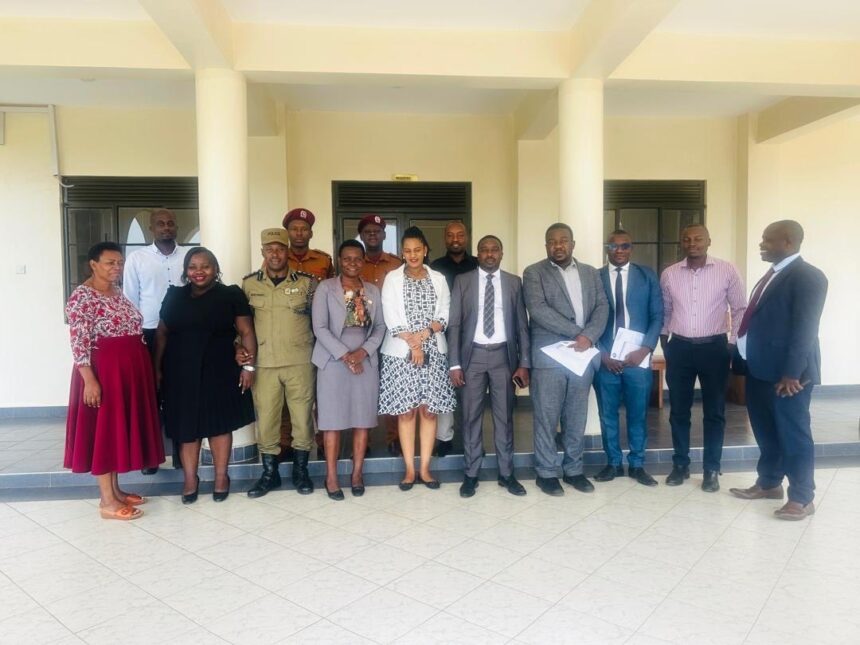
The call was made on Wednesday during the Court’s Fourth Quarter Regional Coordination Committee (RCC) meeting, which brought together justice sector stakeholders to review performance, address operational challenges and strengthen coordination in the administration of justice within the Rukungiri High Court Circuit.
Delivering remarks on behalf of the Resident Judge and Chairperson of the Committee, Lady Justice Susan Kanyange, who was indisposed, the Assistant Registrar, HW Hellen Atigo, said ADR provides a timely, cost-effective and amicable way of resolving disputes.
Lady Justice Kanyange encouraged judicial officers and other justice sector actors to intensify public sensitisation on the benefits of mediation and other ADR mechanisms, noting that their wider use could help reduce case backlog while preserving relationships between disputing parties.
The Committee also commended justice sector stakeholders for the successful conclusion of recent criminal sessions, which resulted in the disposal of a significant number of criminal cases. The stakeholders included judicial officers, prosecutors, defence lawyers, court staff, the Uganda Prisons Service, the Uganda Police Force and other actors whose coordinated efforts contributed to reducing the case backlog.

However, the meeting noted that a number of criminal appeals remain pending. Members called for improved case management, timely preparation of records of appeal and stronger coordination among justice sector institutions to ensure appeals are heard and determined without unnecessary delays.

The Committee further discussed the implementation of the Magistrates Courts (Amendment) Act, particularly the transfer of eligible cases from the High Court to Magistrates’ Courts in line with their expanded jurisdiction. Members said the transfer of appropriate cases would improve efficiency, enhance access to justice and allow the High Court to focus on matters within its exclusive jurisdiction.
Concern was also raised over the increasing number of disputes arising from money lending transactions. The Committee attributed many of the disputes to inadequate documentation, limited public awareness of lawful lending practices and failure to follow proper legal procedures when enforcing securities.
Members called for increased sensitisation of financial institutions, licensed money lenders, borrowers and the general public on responsible lending practices, proper documentation of financial agreements and the legal safeguards available to protect all parties.
The meeting also reviewed the security situation affecting justice sector operations, with members reaffirming the importance of continued collaboration between the Judiciary, security agencies, local governments and other stakeholders to ensure that court proceedings are conducted in a safe and orderly environment.
The stakeholders reaffirmed their commitment to strengthening inter-agency coordination and improving the delivery of justice within the Rukungiri High Court Circuit.