



For some people, pain is more than a physical experience. It is a daily struggle that affects their ability to work, walk, sleep, care for their families and participate in ordinary activities. When treatment after treatment fails to bring the expected improvement, some begin to lose hope, while others eventually accept pain and disability as an inevitable part of their lives.
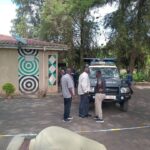
This reality became evident during a six-day community health outreach conducted between October 26 and 31, 2026, across Rutenga, Kanyantorogo, Butogota, Nyamirama, Kanungu Town and Kihihi in Kanungu District.
Organised by Maramagambo Medical Centre and Leverage Medical Centre, the outreach aimed at bringing healthcare services closer to communities that often face challenges accessing specialised medical care. I participated in the exercise as a visiting physiotherapist, attending to more than 100 patients who presented with different health conditions.
Among the conditions encountered were low back pain, neck pain, osteoarthritis, rheumatoid arthritis, multiple joint pains, piriformis syndrome, plantar fasciitis, Parkinson’s disease, cerebral palsy and peripheral neuropathies. Low back pain and multiple joint pains were particularly common.
However, beyond the clinical findings and diagnoses, it was the stories and experiences shared by patients that left the most lasting impression on me.
They revealed a deeper problem within our communities: many people are living with pain and physical limitations without adequate information, appropriate treatment or access to rehabilitation services.

A community desperately seeking answers
Many people who turned up for the outreach expected general medical examinations. Some had little or no knowledge of physiotherapy and were unaware of how rehabilitation could help them manage their conditions.
Several patients described living with pain for months or even years, having tried different medications without achieving the improvement they expected. Others expressed frustration after repeatedly seeking treatment without finding lasting relief.
Perhaps more disturbing were accounts from individuals who had been told that their conditions were caused by witchcraft and that they would never recover.
Such experiences highlight the consequences of misinformation, limited health education and inadequate access to appropriate healthcare. When people lack reliable medical information, they can easily become victims of misleading explanations that deepen their fear and discourage them from seeking further treatment.
For someone who has lived with persistent pain for years, being told that recovery is impossible can be devastating.
Yet, many musculoskeletal and neurological conditions can benefit from appropriate medical assessment, treatment and rehabilitation. Even where complete recovery may not be possible, rehabilitation can help individuals improve their physical function, manage symptoms and maintain independence.
We must therefore do more to ensure that people receive accurate information about their health conditions and the available treatment options.
Physiotherapy: A service many people are yet to understand
One of the most encouraging experiences during the outreach was witnessing patients discover what physiotherapy could offer.
Some beneficiaries said they had only come for medical check-ups and never expected to receive physiotherapy treatment. Others were surprised to learn that exercises, movement training and other rehabilitation interventions could help them manage pain and improve their physical function.
Following clinical assessments and appropriate interventions, several patients reported feeling better. Many expressed appreciation and requested more information about how they could continue managing their conditions.
Their reactions demonstrated just how much awareness about physiotherapy is still needed, particularly in rural communities.
Physiotherapy is often misunderstood as massage or a service reserved for sports injuries and people who have suffered accidents. However, it is an essential healthcare profession that plays a significant role in managing musculoskeletal, neurological and other conditions affecting movement and physical function.
Through therapeutic exercises, functional rehabilitation, movement training and patient education, physiotherapists help people regain or improve their ability to perform everyday activities.
A person struggling with back pain, for example, may benefit from a properly designed rehabilitation programme that addresses movement, strength and functional limitations. Similarly, someone living with arthritis or a neurological condition may benefit from interventions aimed at maintaining mobility, improving balance and preserving independence.
The challenge is that many people do not know these services exist or where to access them.
This knowledge gap must be addressed through continuous community health education and greater integration of physiotherapy into primary healthcare services.
The problem does not end when the medical camp closes
Despite the encouraging experiences, another important message emerged from the outreach: communities need more consistent access to healthcare and rehabilitation services.
Many beneficiaries requested additional health promotion activities and regular physiotherapy sessions. Some explained that accessing rehabilitation services was difficult, especially when specialised care was unavailable within their communities.
This raises an important question about the sustainability of community health outreaches.
Medical camps are valuable because they bring services closer to people, provide initial assessments and treatment, and help identify health conditions that may have remained unattended for a long time.
However, we must recognise that many health conditions require continuous care, regular monitoring and individualised treatment programmes.
For people living with chronic pain, arthritis, neurological conditions and mobility limitations, a single treatment session may not be sufficient to achieve meaningful and lasting improvement.
There is therefore a need to strengthen community-based rehabilitation, establish effective referral systems and encourage collaboration between health facilities and rehabilitation professionals.
Government, private healthcare providers and other stakeholders should consider expanding access to physiotherapy services, particularly in underserved rural areas.
Community health outreaches should not simply be viewed as temporary medical interventions but as opportunities to identify long-term healthcare needs and establish sustainable follow-up arrangements.
Restoring more than movement
The Kanungu outreach, which also provided ultrasound scanning, laboratory testing, blood glucose testing and blood pressure measurement, demonstrated the importance of taking multiple healthcare services closer to communities.
However, one lesson stood out for me: people do not simply want their conditions examined. They want to understand what is happening to their bodies, know what can be done and access services that can help them live better lives.
As a physiotherapist, I strongly believe that access to rehabilitation should not depend entirely on where someone lives or their ability to travel long distances in search of specialised care.
We need greater investment in public awareness, early intervention and accessible rehabilitation services. Healthcare providers should also work together to ensure that patients are not left to struggle with conditions that could be better managed through appropriate rehabilitation.
More importantly, we must change the way communities perceive disability, chronic pain and recovery.
Living with a long-term health condition should not mean losing hope or giving up on the possibility of living a meaningful and productive life.
Sometimes, recovery may not mean completely eliminating pain or reversing every physical limitation. It may mean helping someone walk a little further, return to work, care for their family, move independently or regain the confidence to participate in community life.
These achievements may appear small to someone who has never experienced physical limitations, but to the person concerned, they can make an enormous difference.
The Kanungu outreach reminded me that healthcare is not only about diagnosing diseases and prescribing medication. It is also about listening to people, educating them, restoring their confidence and helping them discover possibilities they may have thought were no longer available.
We must take physiotherapy and rehabilitation closer to the people who need them most.
Because recovery is not always about eliminating every symptom. Sometimes, it is about restoring movement, rebuilding confidence and giving people a reason to hope again.
These are outcomes worth investing in.
Move Better. Recover Faster. Live Stronger.
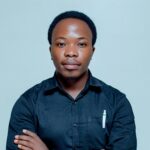
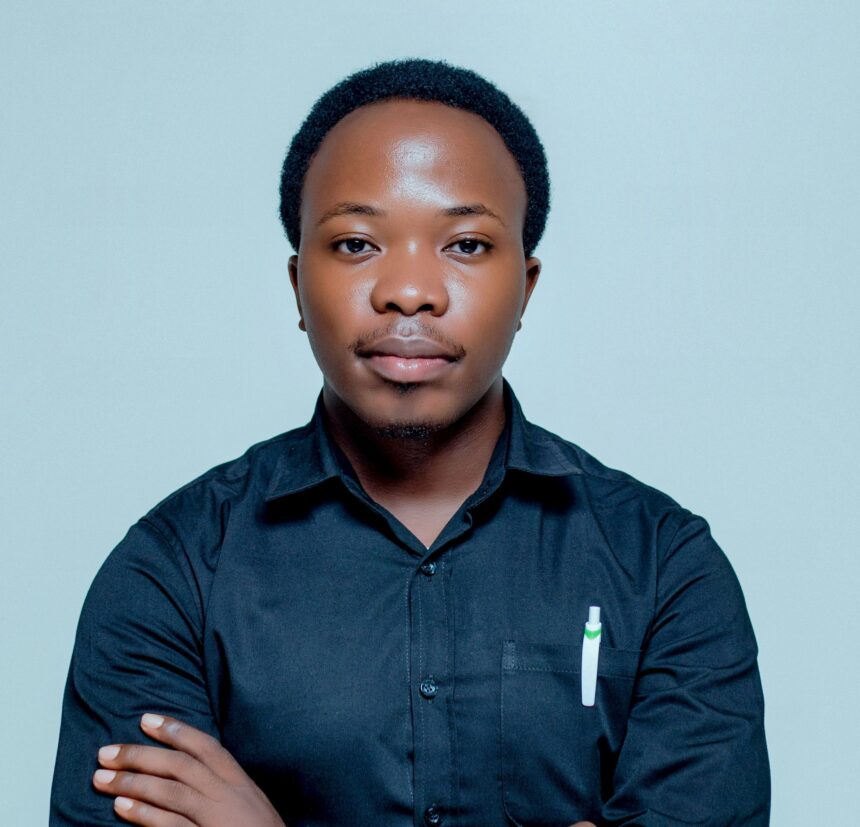
By Arinda Marvin, BSc Physiotherapy
Licensed Physiotherapist | Physical Fitness Trainer