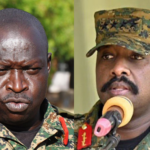




In late October and early November 2026, Ugandan political discussion shifted noticeably toward a detailed proposal for structured power-sharing advanced by Gen. Caleb Akandwanaho, widely known as Salim Saleh.
The retired general, brother of President Yoweri Museveni and Chief Coordinator of Operation Wealth Creation, has promoted a framework called the Consociational Democracy Agreement. Developed with historian Prof. Ogenga Otunnu, the working document—variously reported as roughly 128 to 137 pages—seeks to address longstanding sectarianism, political exclusion, regional inequality, and unresolved grievances that have shaped Ugandan politics for decades.

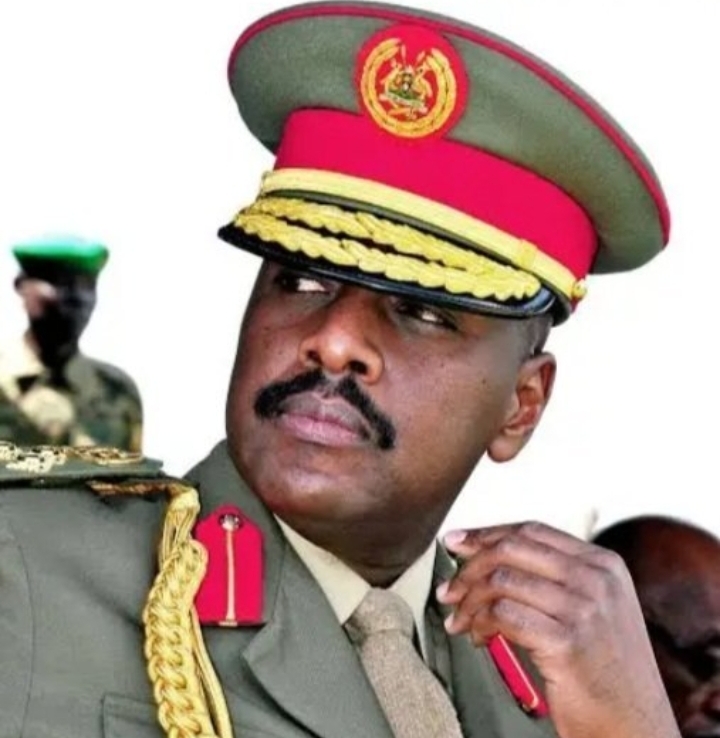
The proposal envisions a five-year national process running from 2026 to 2031. Its core institutional idea is a National Consociational Council with three permanent chambers.
The Elite Cooperation Chamber would bring together government officials, the ruling National Resistance Movement, and willing opposition parties for negotiations. A Grassroots and Multi-Stakeholder (or People’s) Chamber would incorporate civil society, religious institutions, cultural and traditional leaders, women’s organisations, youth groups, and labour. A Technical and Implementation Secretariat of experts would translate any agreements into concrete programmes, budgets, timelines, and monitoring mechanisms.
Proponents stress that the arrangement is not intended to replace Parliament or Cabinet but to create an additional, more inclusive layer linking elite deals to community concerns and public resources.Saleh has framed the initiative around preventing younger generations from inheriting “generational quarrels” dating to the liberation era and earlier post-independence conflicts. He has spoken of examining historical origins of divisions and pursuing a “combined outlook of the Uganda we want.”

In public remarks to parliamentary committee chairpersons at Kapeeka in Nakaseke District, he indicated that engagement with opposition figures forms part of the broader effort and expressed hope for progress within three to six months. He has specifically referenced contact with Dr Kizza Besigye, noting an opening linked to an earlier statement by Chief of Defence Forces Gen. Muhoozi Kainerugaba. Reports indicate Saleh visited Besigye amid health concerns and arranged specialised care, while Justice and Constitutional Affairs Minister Norbert Mao has publicly described Saleh as leading efforts, under presidential direction, toward a political solution involving Besigye and former Kampala Lord Mayor Erias Lukwago.These claims have met denials.

People’s Front for Freedom Secretary General Ibrahim Ssemujju Nganda has stated that no formal or informal approach was made to the party regarding Besigye, describing circulating reports as baseless. Family and party allies have similarly rejected the existence of bargaining for release. The picture remains one of mixed signals rather than confirmed negotiations.Opposition parties more broadly have responded cautiously. A faction within the Democratic Party, operating as “DP at Heart,” has called for a national referendum before any power-sharing arrangement advances, accusing some leaders of insufficient consultation with members after a mid-October retreat in Jinja organised with support from the Netherlands Institute for Multiparty Democracy.
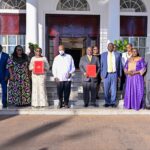
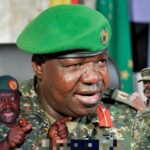
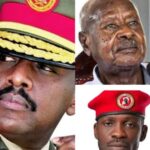
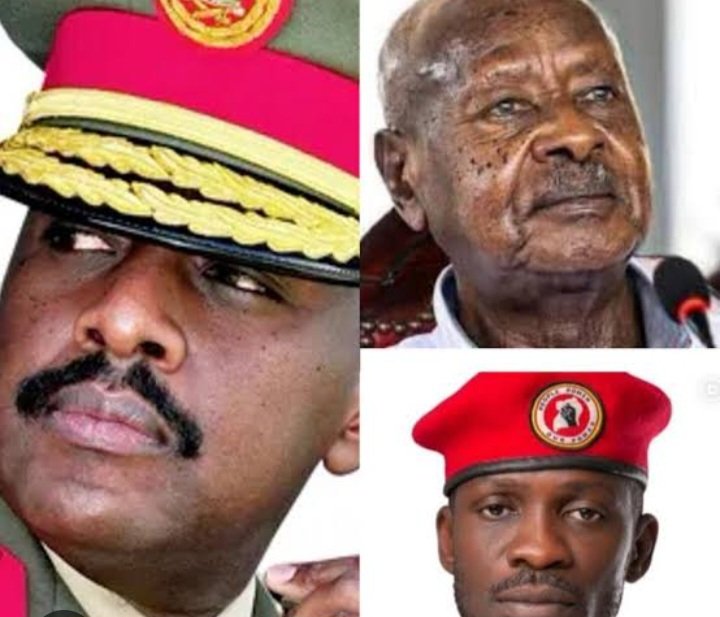
Other parties have demanded guarantees of independence, wider grassroots involvement, and fair play. The document itself emphasises that any settlement must be written, publicly gazetted, and available in local languages rather than another private elite bargain—explicitly distinguishing it from past accommodations of rival actors or former insurgents. Against this backdrop, Elite News Uganda (@KeefaCom) posed a direct question: whether Hon. Robert Kyagulanyi Ssentamu (Bobi Wine), leader of the National Unity Platform, is included in Saleh’s Power Sharing Deal. The accompanying image collages figures including Saleh and Bobi Wine. Reliable reporting centres primarily on the structural proposal, its presentation to NRM organs, the President, religious leaders, and various opposition parties, plus the specific Besigye track.

Unconfirmed online reports have circulated suggesting Saleh may be facilitating possible contacts involving Bobi Wine ahead of 2031 elections, with references to demands around past violence, exile, and property damage. These remain unverified by established outlets, and no official confirmation of NUP’s direct participation or Bobi Wine’s inclusion has emerged.
Past public exchanges between Saleh and Bobi Wine—on land issues, “Musevenomics,” and mutual criticism—add further context to the uncertainty. Analysts note that the proposal forces attention to what a durable post-Museveni settlement would require: addressing concrete grievances over land, service delivery, youth unemployment, and regional inequality rather than freezing sectarian identities through elite pacts alone.
Whether the framework gains traction depends on genuine buy-in across parties, transparency of any talks, and practical translation from paper to community-level action. As of early November 2026, it remains at the consultation stage, with no formal national agreement announced. The question of Bobi Wine’s involvement continues to highlight the proposal’s incomplete coverage of the full spectrum of opposition voices and the practical challenges of moving from historical analysis to inclusive implementation.