



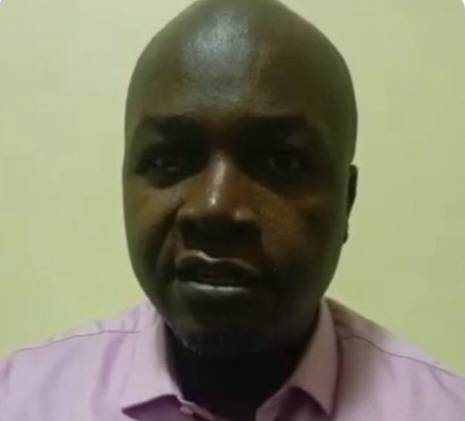

The disappearance of journalist Leonard Egesa has sparked fresh controversy after Chief of Defence Forces (CDF) Gen. Muhoozi Kainerugaba shared his photograph on social media and appeared to ridicule him over his Kiswahili-speaking abilities, 15 days after he reportedly vanished following an alleged abduction from Radio One studios.
In a post published on X on November 29, 2026, Muhoozi uploaded a photograph showing Egesa dressed in a pink shirt, alongside the caption: “Egesa has learnt to speak good Kiswahili.”
The military chief’s latest post has reignited questions about the journalist’s whereabouts and circumstances, particularly given the absence of a detailed public explanation regarding his location, legal status and physical condition.
It also adds to a growing list of controversial statements Muhoozi has made about Egesa since his reported disappearance.On or around November 17, Muhoozi threatened that individuals he described as foreign agents and representatives of foreign media, including Egesa, would face trial before a Court Martial.

He reportedly vowed that the journalist would be among the first to serve a 10-year prison sentence.A week later, on November 24, the CDF returned to X with another provocative statement, claiming that Egesa had learnt to speak properly and had recovered after receiving what he described as “1,000 kibokos”, a reference to canes or whips.

His latest photograph and remarks have raised further concerns about what may have happened to the journalist during the period in which his whereabouts were unknown.

Of particular concern is the apparent suggestion in Muhoozi’s public statements that he possesses information about Egesa’s condition and possible treatment. However, no comprehensive official explanation has been provided establishing where the journalist is being held, which authority has custody of him or the specific legal grounds for his detention.
The developments have also brought renewed attention to ongoing habeas corpus proceedings and calls by the Uganda Law Society demanding that security agencies account for missing individuals.

The legal battle has placed constitutional protections surrounding personal liberty, lawful detention, access to lawyers and the right to be presented before a competent court under renewed scrutiny.
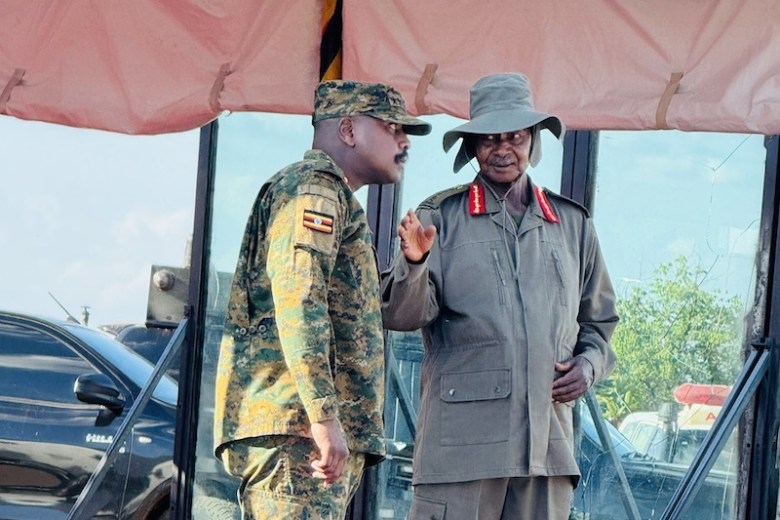
Egesa’s disappearance has also intensified concerns over alleged operations involving plainclothes security personnel and unidentified vehicles, with critics questioning how individuals can reportedly be taken away without transparent information about their arrest or subsequent detention.Muhoozi’s comments have introduced an additional political and legal complication, given his influential position as Uganda’s military chief.
Nevertheless, for Egesa’s relatives, fellow journalists and supporters, the fundamental questions remain unanswered: Where is Leonard Egesa? What happened to him? Under whose authority is he being held, and why has his situation not been officially explained?
Posting photographs and making provocative remarks on social media cannot substitute for accountability. The public deserves a clear explanation of the journalist’s whereabouts, legal status and physical welfare.