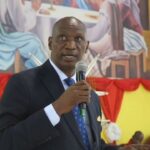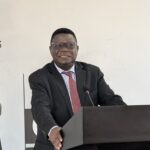

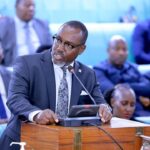
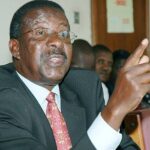




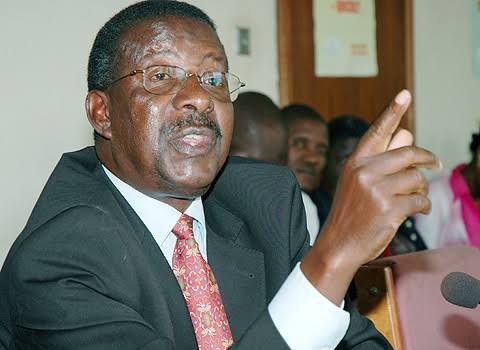

Nuwe Amanya Mushega, born on 27 June 1946 in Bushenyi District in western Uganda, trained as a lawyer at the University of Dar es Salaam and Queen’s University in Canada before becoming a lecturer. In 1981 he abandoned academic plans, including doctoral studies at the London School of Economics, to join Yoweri Museveni’s National Resistance Army during the bush war that ousted Milton Obote’s government.
Rising to the rank of colonel, Mushega served as chief national political commissar, a role that placed him at the ideological heart of the struggle for what the fighters described as liberation and constitutional rule.
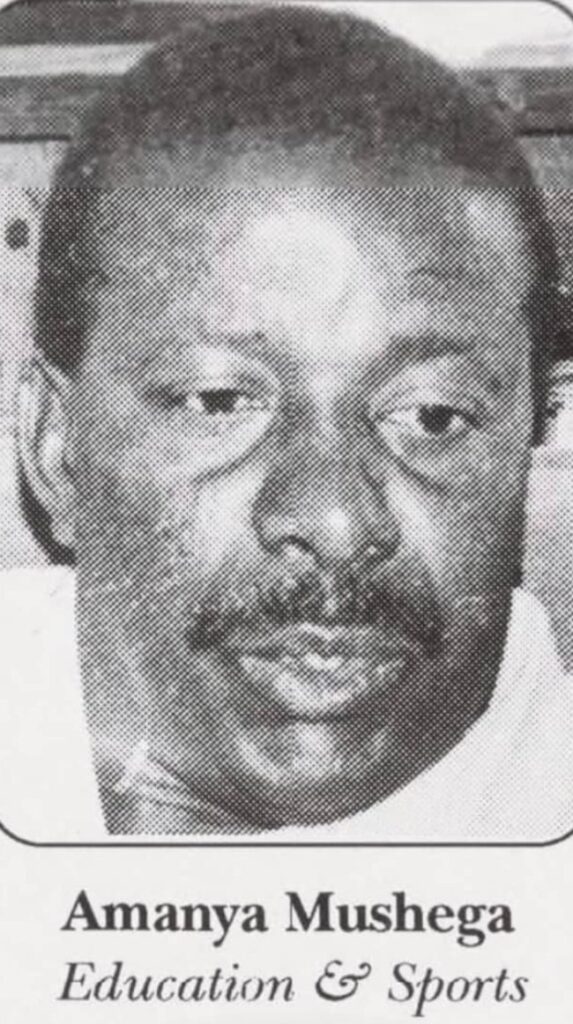
After the National Resistance Movement took power in 1986, Mushega held a series of senior posts. He represented Igara East in parliament and served as minister in defence, local government, education and sports (his longest tenure, spanning much of the 1990s), and public service. He oversaw the introduction of universal primary education and the liberalisation of university access.

In 2001 the East African Community heads of state appointed him secretary general for a five-year term, during which he helped consolidate the revived regional body.The decisive break came over presidential term limits. Article 105(2) of the 1995 Constitution limited a president to two five-year terms.
Museveni had indicated in 2001 that the term then beginning would be his last. By 2003, however, moves to amend the constitution gathered pace. At a March 2003 National Executive Committee meeting at Kyankwanzi, senior figures including Mushega, Eriya Kategaya, Richard Kaijuka, Miria Matembe, Bidandi Ssali and Mugisha Muntu opposed the proposal.

Museveni subsequently dropped several dissenting ministers from cabinet. Parliament later passed the amendment in 2005 amid reports that pro-government MPs received five million shillings each for “consultation”, a claim that fuelled accusations of inducement. Mushega publicly rejected the change on the grounds that it violated the rule of law and the original goals of the bush war.

He left the NRM and joined the Forum for Democratic Change, becoming a founding member and serving for a time as its regional vice president for western Uganda. Years later he stated that he and the late Kategaya had no regrets: they had advised Museveni openly and believed rules should not be waived to serve one person’s purpose. In 2020 he urged the president to hand over power peacefully so that he himself might witness a constitutional transfer at Kololo.
Similar sentiments have been expressed by Richard Kaijuka, a former energy and trade minister and banker who also opposed the 2005 amendment and, in March 2025 at a Kategaya memorial, appealed to Museveni to guide an orderly transition as a lasting legacy.Mushega has remained an active public voice.

Appointed by Education Minister Janet Museveni in 2021 to chair the Education Policy Review Commission, he led a four-year process that produced a lengthy report recommending structural changes, higher spending (7 per cent of GDP and 20 per cent of the national budget), a shift toward competence-based learning, and greater emphasis on skills. In 2025 he criticised government spending priorities, arguing that resources should focus on education and health rather than proliferating administrative posts.
His career illustrates the tensions that arose when several original NRM figures concluded that extending presidential tenure undermined the constitutional settlement they had fought to establish.The episode forms part of a broader pattern in which bush-war comrades diverged over succession.
While some, such as Kategaya, later returned to government, Mushega has consistently maintained his opposition to the removal of term limits and the subsequent lifting of the age limit in 2017. His record continues to be cited in discussions about constitutionalism and political transition in Uganda.