
Summary:
- Minister Musasizi noted that the priority areas for local government interventions in the upcoming budget strategy include agricultural production and value addition, unlocking constraints to tourism development, advancing the mineral sector, developing the oil and gas industry along with petrochemical industries, and enhancing science, technology, innovation, and ICT.
KABALE: The Minister of State for Finance, Planning and Economic Development (General Duties) Henry Musasizi, has urged local government leaders in the Kigezi sub-region to ensure their budgets align with government priorities to drive a ten-fold economic growth, in line with the strategic direction set in the fourth National Development Plan (NDPIV).
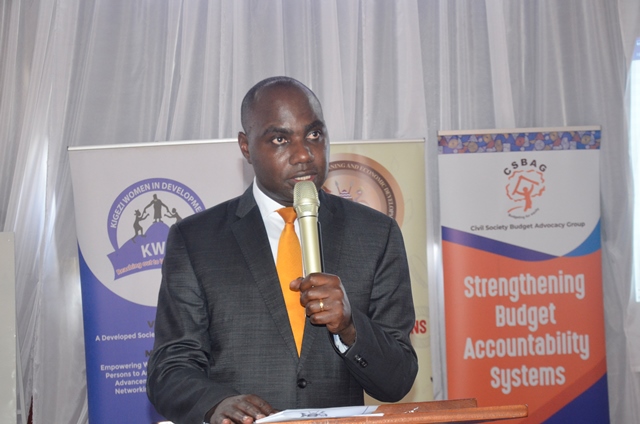
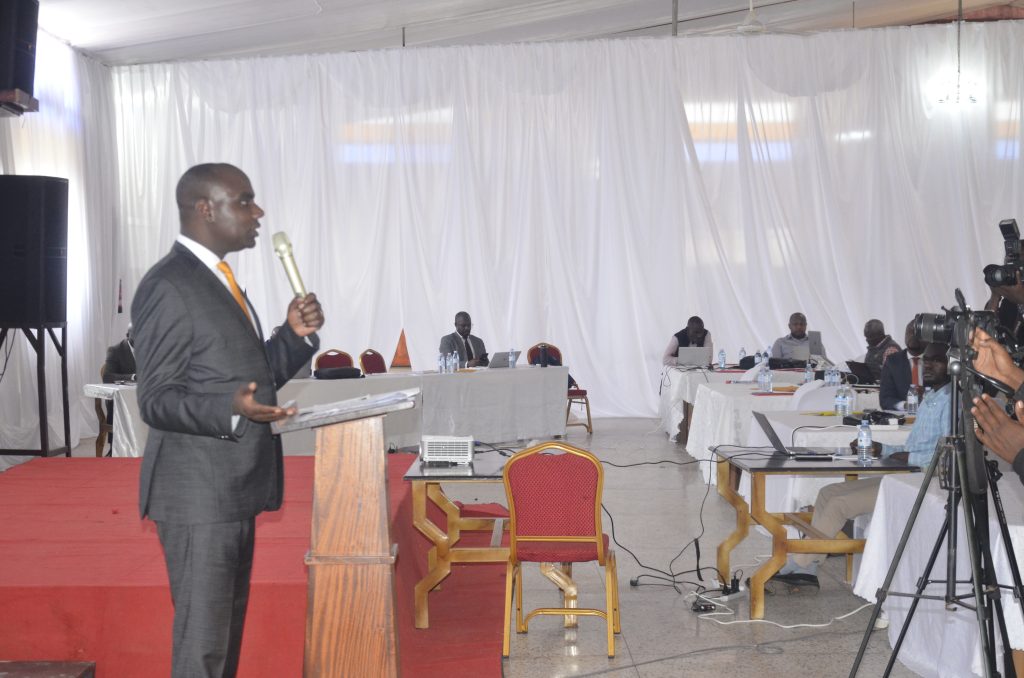
Minister Musasizi made these remarks on Thursday while addressing stakeholders from the Kigezi sub-region during the inaugural of Local Government Regional Budget Consultative Workshop for the 2025/2026 financial year, held at Agaba Center in Kabale Municipality.
Minister Musasizi highlighted that the fourth National Development Plan (NDP IV) is nearing completion and its implementation will begin in the 2025/2026 financial year. He emphasized that the plan follows President Museveni’s vision of growing Uganda’s economy ten-fold by 2040.

“Under this strategy, the country’s Gross Domestic Product (GDP) is expected to rise from a baseline of about USD 50 billion in the 2022/23 financial year to USD 500 billion over the next 15 years. This ambitious goal would require the economy to double every five years”. Minister Musasizi said.

Minister Musasizi outlined several key objectives necessary for achieving this growth, including, Shifting to a higher growth trajectory with double-digit economic growth, Raising the tax-to-GDP ratio to 30 percent, Increasing per capita GDP from the current USD 1,146 to USD 7,000, Doubling national savings from 20 percent to 40 percent of GDP, Raising the share of exports in GDP from 12 percent in 2022 to 50 percent and Increasing the share of manufactured products in merchandise exports from 13 percent to 50 percent.
He noted that the priority areas for local government interventions in the upcoming budget strategy include agricultural production and value addition, unlocking constraints to tourism development, advancing the mineral sector, developing the oil and gas industry along with petrochemical industries, and enhancing science, technology, innovation, and ICT.
Minister Musasizi reminded stakeholders that the country will finance the 2025/26 budget using domestically generated resources, as well as external sources. He emphasized the need to repurpose current resources and improve the efficiency of allocations to focus on high-impact sectors of the economy.
Minister Musasizi also discussed key strategies, including the effective implementation of the Domestic Revenue Mobilization Strategy, improving local revenue performance through automation, diversifying private capital, reforming the pension, insurance, and capital markets, and continuing the exploration of oil and gas reserves to increase revenue.
He stressed the importance of leveraging affordable and sustainable financing through institutions such as the Uganda Development Bank, the Uganda Development Corporation, the Agricultural Credit Facility, and the Small Business Recovery Fund, among others.
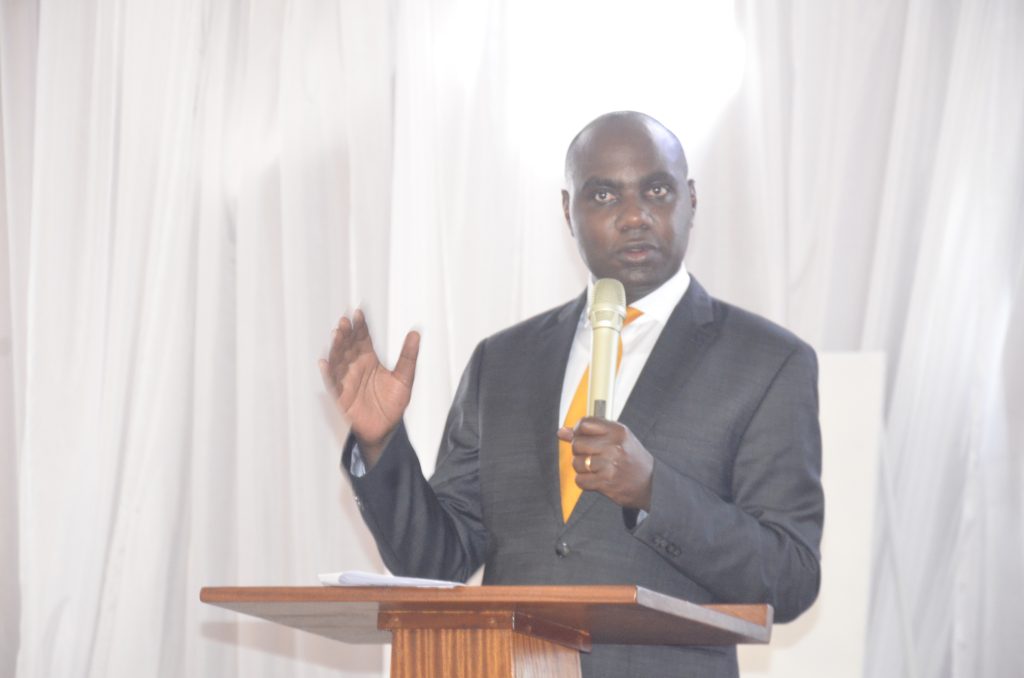
Minister Musasizi called on local leaders to ensure their budget framework papers for the 2025/26 financial year are prepared in line with the grant guidelines and the 1st Budget Call Circular, and submitted no later than November 15, 2024. He also urged them to finalize their respective development plans by March 31, 2025, to guide budgetary allocations in the 2025/26 financial year.
CUE IN MINISTER MUSASIZI……ON THE MATTER……ENG//