





A report by the Local Sustainable Communities Organization (LOSCO) has revealed that household and community waste in the Kigezi Sub-region is being indiscriminately dumped in open spaces and on private properties, causing frequent conflicts among residents.
According to LOSCO, “Limited community awareness and weak enforcement of sanitation by-laws have exacerbated poor waste management practices,” creating unsanitary conditions across the region.
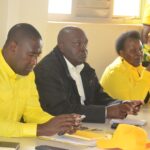
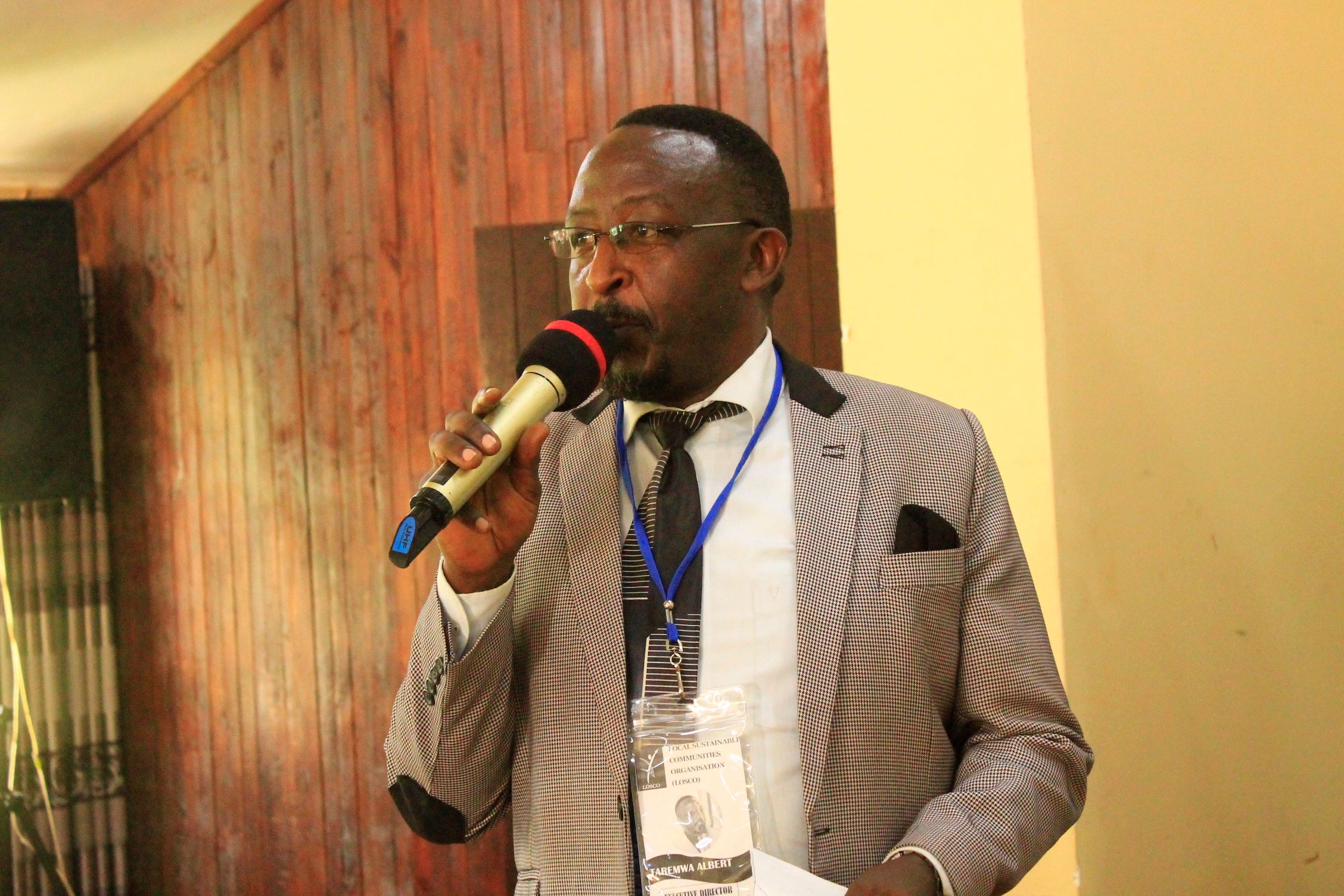
Presenting the findings during the regional dialogue to address issues on Governance and Accountability leading to improved public service delivery at White Horse Inn Hotel in Kabale Municipality on Tuesday, LOSCO Executive Director Mr Albert Taremwa said, “In areas like Mwanjari in the southern division and other peri-urban communities, there are no designated and approved waste disposal sites. Residents are left with no choice but to dump waste in open areas, increasing health risks and tensions among neighbors.”
The report also highlighted critical challenges in the health sector. Mr Taremwa explained, “Some health facilities, like Nyakasharara HCII, have existing power sources but remain unconnected to electricity, relying solely on solar power. Admission beds are in poor condition, and several rooms are underutilized, leaving only one bed available while other spaces sit vacant.”
Maternity services were also under scrutiny. “Pregnant women and new mothers lack proper maternity wards,” Mr Taremwa said. “There is only one bed in the labor suite, which is too small, while larger rooms remain occupied by health workers due to the absence of staff accommodation. These vacant spaces could easily host multiple patients.”

Village Health Teams (VHTs) also face challenges. “Many VHTs report that they do not receive salaries, and allowances are delayed for long periods,” Mr Taremwa added. “This affects their motivation, community outreaches, and follow-up on cases, undermining healthcare delivery.”

Staffing shortages and absenteeism further strain services. “Medical staff often report late, between 10:00 and 11:30 a.m., yet remain around the health facilities,” said Mr Taremwa. He also noted that some health workers demand “old” patient registers for new patients, penalizing the use of new registers, and highlighted the lack of sign language interpretation for persons with disabilities.
Security and safety challenges were another key concern. Mr Taremwa explained, “In rural communities, inadequate police presence has escalated petty crimes such as theft and domestic violence. Limited awareness of reporting mechanisms and sometimes complicity by local leaders make it difficult to improve security. Delayed responses to incidents further exacerbate community vulnerability.”
Road and transport infrastructure also faces setbacks. “Community access roads are often impassable during the rainy season,” said Mr Taremwa. “In Kasheregyenyi, efforts by external partners to renovate roads were blocked by local leadership, delaying vital improvements. There is also little community involvement in road planning and prioritization.”
Education challenges were highlighted as well. Mr Taremwa noted, “Public schools in the region suffer from teacher shortages, high dropout rates due to poverty, and strict enforcement of school dues. This sometimes results in pupils being sent home without informing parents, pushing children into petty businesses like quarrying or fruit selling. Limited parental involvement and inadequate accessibility for PWDs continue to hinder education outcomes.”
The report was presented under the Strengthening Citizen Engagement and Public Accountability (SCEPA) Project, a four-year initiative by the Uganda National NGO Forum and the Royal Danish Embassy. Mr Taremwa said, “SCEPA seeks to cultivate an informed and active citizenry capable of holding public officials accountable. By improving communication between civil society and government, we aim to ensure citizens’ voices are heard, their needs addressed, and public institutions held responsible for their actions.”
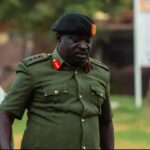
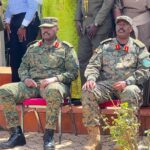
In response to Security and safety challenges, the Kigezi Sub-region Deputy Police Commander, Senior Superintendent of Police, Shaka Francisco, has attributed the limited police presence in rural areas to a severe manpower shortage, saying the challenge continues to affect crime reporting, community engagement, and response time across the region.
He explained that internationally, one police officer is expected to serve about 500 civilians, but in Uganda, a single officer often serves more than 1,000 people. This gap, he said, has resulted in thin deployment, especially in hard-to-reach rural communities.
“The manpower gap explains why police visibility is limited in some rural areas. When officers are few, they are forced to concentrate in specific locations, leaving other areas without direct access to police services,” SSP Shaka said.
He noted that the shortage also affects public awareness and reporting mechanisms saying “Although police have toll-free lines, many rural residents lack access to phones or airtime, making it difficult to report crimes promptly. As a result, incidents in remote communities often go unreported or are reported late”.
To bridge this gap, SSP Shaka said the police rely on Public Relations Officers (PROs) and Community Liaison Officers (CLOs), who regularly engage the public through radio talk shows and community outreaches to explain police procedures and reporting channels.
“We work closely with Local Council chairpersons at all levels, LC I, II, III and above, because they are on the ground and understand the security concerns of their people. Policing remains active in districts such as Kanungu, Kisoro, Rukiga, and Rubanda, where CLOs are consistently engaging residents. However, we have gaps in Kabale since the area’s CLO retired but this has been an eye-opener for us and we expect the situation to normalize by January when a replacement is assigned,” he assured.
The Kigezi Region Police Spokesperson Elly Maate revealed that efforts are underway to operationalize the sub-county policing model across the region to bring police services closer to the people.
“Each sub-county is structured to operate like a complete police station, staffed with at least 18 officers drawn from operations, the Criminal Investigations Directorate (CID), community policing, and other specialized sections. The sub-county policing model ensures adequate manpower, better coordination, and faster response to security issues within communities,” he said.
He noted that each sub-county police unit will be equipped with a motorcycle to enhance mobility and a toll-free counter phone to enable residents to report incidents easily and receive timely assistance.
The Rukiga Resident District Commissioner (RDC) Zadock Kamusiime called for stronger coordination among institutions to address the persistent challenges affecting persons with disabilities, noting that the sector remains burdened by many unanswered questions and unresolved issues.
Kamusiime said that despite existing legal frameworks, persons with disabilities continue to face gaps in policy guidance, implementation, and service delivery.
He attributed this partly to weak coordination among key actors and the absence of structured platforms where experts can jointly develop practical solutions.
Kamusiime proposed the establishment of a dedicated forum within the Law School for individuals with expertise in disability matters. According to him, such a platform would allow stakeholders to brainstorm, share experiences, and develop a comprehensive guiding document that can inform policy formulation and improve responses to disability-related concerns.
“Persons with disabilities have very many issues that are not adequately attended to. We need a space where knowledgeable people can sit together, analyze these challenges, and come up with clear policy guidance,” Kamusiime said.
He further noted that there is an opportunity to strengthen engagement using existing government institutions that have become more open and cooperative over time.
Kamusiime observed that the Uganda Police Force and courts of law are now more accessible, making it easier for stakeholders to engage Resident Judges and law enforcement officers on emerging governance and accountability issues.
The RDC also emphasized the strategic role of senior government officers at the district level in bridging coordination gaps. He said that Chief Administrative Officers and Resident District Commissioners, as representatives of the Head of State and Head of Government, can be effectively engaged to ensure that disability-related concerns are addressed even in the absence of political leaders.
“While politicians may not always be present in such forums, these top government officers are available and can work closely with institutions like the Law School to make sure that gaps are identified and addressed,” he noted.
He stressed that addressing disability challenges requires deliberate collaboration, structured dialogue, and the effective use of existing institutions to translate policy intentions into tangible action.
He concluded by urging stakeholders to prioritize inclusive approaches that place persons with disabilities at the center of planning and decision-making, saying this would contribute to improved governance, accountability, and equitable service delivery.