









The Ministry of Agriculture, Animal Industry and Fisheries (MAAIF) has issued new guidelines for the registration and licensing of fishing vessels for the 2026/2027 fishing year, introducing stricter requirements for fishermen, particularly those engaged in mukene fishing.
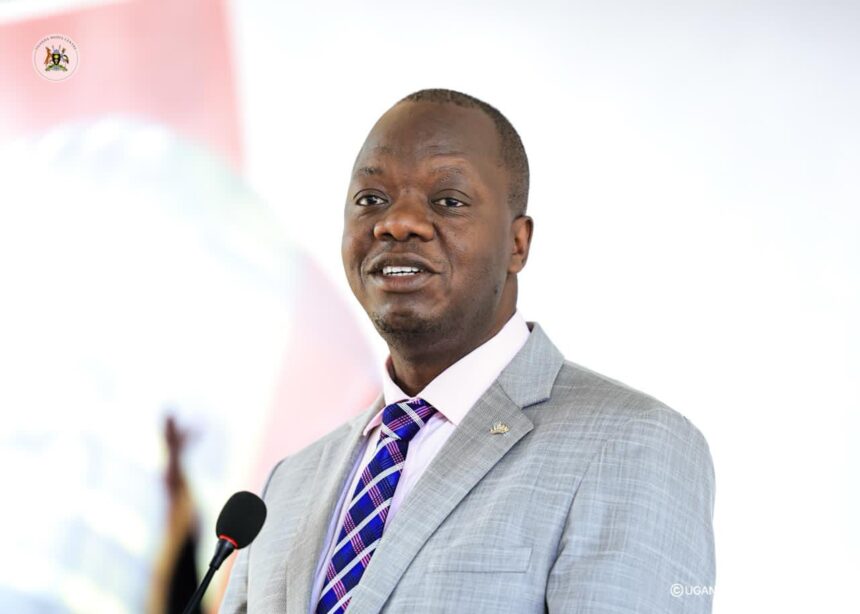
The guidelines, presented to the public by the Minister of State for Fisheries, Robert Ndugwa Migadde during a press conference at Uganda Media Center in Kampala, are intended to streamline fishing vessel registration, promote compliance with fisheries regulations and ensure sustainable management of Uganda’s water resources.
Under the new guidelines, all fishing vessel owners and operators will be required to undergo inspection and verification of their fishing equipment before being considered for licensing.
“Applicants must provide their National Identification Cards as proof of Ugandan citizenship, evidence of ownership of their fishing vessels, copies of previous fishing licences, where applicable, and telephone contacts registered in their names”. Minister Migadde said.
He said registration, recommendation, payment of fees or previous licensing does not automatically guarantee a fishing licence, noting that MAAIF retains the final authority to approve or reject applications based on legal, scientific and fishing-capacity management requirements.

He added “The guidelines further provide that traditional indigenous fishing communities will receive preferential access to fishing licences and permits within their respective areas. Foreign fishing vessels will not be allowed to operate in Uganda’s waters”.

Under the licensing process, Fish Landing Site Fisheries Management Committees will identify and recommend eligible indigenous boat owners and fishers to District Fisheries Officers (DFOs).
“The DFOs will subsequently inspect fishing vessels, verify ownership documents, assess the seaworthiness of boats and ensure compliance with fishing gear requirements before submitting the vetted applicants’ register to the Chief Fisheries Officer for consideration” He observed.

According to him, successful applicants will be notified to pay the applicable licence or permit fees within 21 days after approval.
The ministry has also introduced specific requirements for fishermen engaged in silverfish fishing, commonly known as mukene, ragoogi or muziri, citing concerns over the environmental, social and economic implications of fishing practices.
Under the new requirements, only fishermen who possess silverfish fishing licences issued in 2023, 2024, 2025 or 2026 will qualify to participate in the fishery.
Their fishing vessels must have a minimum total length of 24 feet, while each boat will be permitted to use only one chota chota scoop net mounted on a wooden ring with a maximum diameter of five feet.
The scoop nets must have a mesh size of at least eight millimetres, with lampara nets and other panelled fishing appliances prohibited.
The guidelines also restrict each fishing vessel to a maximum of two kerosene-powered lanterns and two crew members, commonly known as barias.
Fishing will be restricted to 14 days from the beginning of the dark phase of the moon each month and must be conducted away from water bays, fish breeding areas and zones located less than two kilometres from the shoreline.
Each fishing vessel will also be required to return to the landing site with its catch and fishing gear on board.
The ministry said the additional measures were necessary following the ban on the use of modified lampara nets operated under hurry-up fishing, which was announced in February 2024, and a December 2025 Presidential Directive restricting the use of solar and other forms of light in catching silverfish.
Districts will also be required to submit to MAAIF lists of designated landing sites where mukene, ragoogi and muziri fishing activities will be permitted.
The ministry has cautioned fishermen against resuming silverfish fishing without first completing the registration, inspection, approval and licensing process.
According to the annual licensing calendar, landing site fisheries management committees are expected to recommend fishers for registration in November, followed by technical inspection and vetting by District Fisheries Officers between December 1 and 15.
The vetted registers will be submitted between December 16 and 23, while technical reviews and uploading of the registers onto the electronic licensing system will take place between December 24 and 31.
Applications for fishing licences will be made in January, with licensing expected to run from January 1 to March 31. The ministry plans to publicise the list of licensed fishers in June.
Compliance enforcement will run from April 1 to December 31, with the Chief Fisheries Officer expected to publish the annual register of licensed fishers by December 31.
The guidelines are issued under the Fisheries and Aquaculture Act, Cap 314, which came into force in 2023 and provides for the regulation, management and development of fisheries and aquaculture activities in Uganda.
He said the simplified guidelines will remain in force until more detailed guidelines are issued following the publication of the new fisheries regulations in the national gazette.