


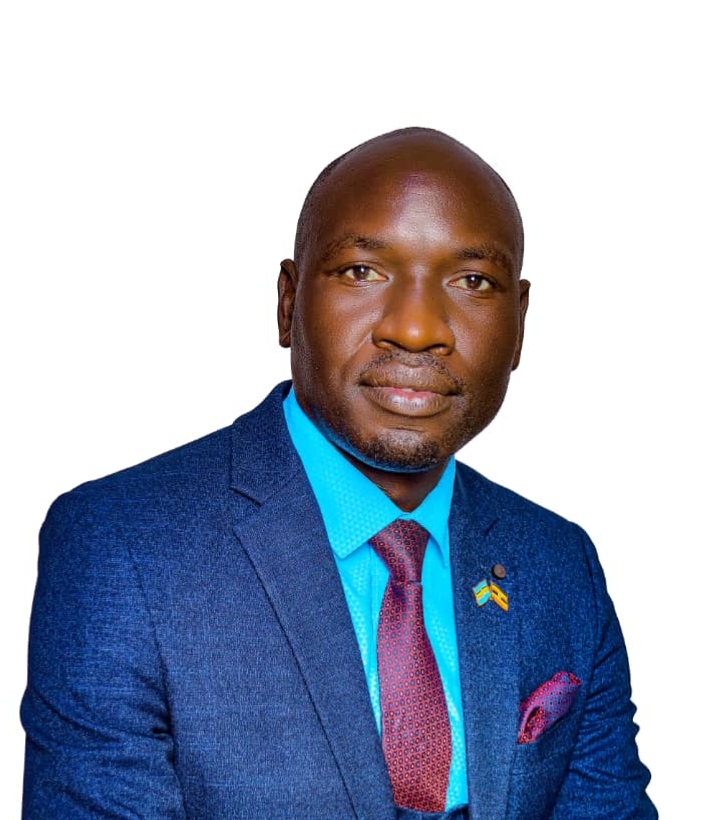

Fellow countrymen and women, I offer this second-thought opinion for reflection by the wider patriotic and Pan-African community on the candidature of Dr Olara Otunnu for the position of United Nations Secretary-General and the decision by President Yoweri Kaguta Museveni to support his bid.
My position is informed by several considerations.
First, Dr Otunnu is a highly educated, polished and accomplished Ugandan whose resilience, versatility and international experience place him among the country’s notable diplomatic and political figures. His participation in the race for the UN’s top leadership position is therefore an opportunity for Uganda to present one of its experienced sons on the global stage.
Second, this should not be reduced to a partisan political contest. Whether one supports the ruling party or the opposition, nation-building, advancing the Pan-African agenda and contributing to progressive global politics require us to rise above cheap and immature political controversies.
Uganda’s national interests should, at times, take precedence over partisan considerations. Political differences are legitimate in a democracy, but they should not prevent Ugandans from recognising opportunities that could advance the country’s standing and interests internationally.

Third, President Museveni’s endorsement of Dr Otunnu should be viewed as a statesmanlike decision that deserves serious consideration. Dr Otunnu was once a UPC presidential flag bearer, yet he has received the backing of a president whose political career has largely been associated with a different political tradition.

That development presents an opportunity to demonstrate that Uganda can rise above historical political divisions and begin rebuilding some of the broken bridges of national reconciliation, justice and democratic engagement.
Those who seek to portray themselves as better democrats than the President simply because they oppose his decision risk missing the bigger picture. Uganda needs a mindset shift in politics—one that encourages independent and progressive thinking beyond political party cardership, sycophancy and self-denial.
The endorsement of Dr Otunnu should therefore be understood as an opportunity for political maturity rather than another battlefield for partisan confrontation. We should aspire to become statesmen and women, rather than remain trapped in the politics of political camps.
At the same time, Dr Otunnu’s candidature provides an opportunity to reflect on what his possible elevation to the UN’s top leadership could mean for Uganda.
If he succeeds, I would appeal to Ambassador Dr Olara Otunnu to use that position to support efforts to rebuild broken bridges within Uganda, particularly in the areas of justice, human rights, democratic governance and national reconciliation.
Uganda needs to renew its commitment to universally recognised human rights principles and strengthen institutions of governance in a manner that serves the interests of all citizens.
Good governance should not be about entrenching family rule, suppressing alternative political voices or using state power to settle political scores. Equally, politics should not be driven by revenge. Such tendencies have contributed to unnecessary suffering and deepened political divisions in the country.
The experiences of Dr Kizza Besigye and other political actors who have disagreed with the government, as well as those former NRA/M bush-war comrades who have at various times expressed their discontent, including Gen Kahinda Otafiire, Gen David Sejusa and Gen Mugisha Muntu, demonstrate the importance of creating a political environment where disagreement does not automatically translate into persecution or hostility.
Universal human rights must be defended and protected regardless of political affiliation.
This brings me to the urgent need for national dialogue and reconciliation.
Uganda should consider a genuine and inclusive national dialogue involving respected religious leaders, civic leaders, opposition political parties, retired national leaders and elders, former Speakers of Parliament, former vice presidents and prime ministers, and senior judicial figures, among others.
Such a dialogue should seek to address longstanding political grievances and create a foundation for peaceful coexistence and democratic transition.
The case of Dr Kizza Besigye, in particular, should be approached with a humanitarian and reconciliation lens. His access to appropriate medical treatment and the broader political questions surrounding his detention should be addressed within the framework of justice, the rule of law and national dialogue.
Uganda must also confront the broader governance question without fear or favour.
There is a growing demand for comprehensive, non-partisan constitutional reforms to address unresolved questions surrounding peaceful democratic transfer of power, institutional independence, representation and the size and effectiveness of government.
A constitutional review should ultimately seek to create a lean, accountable and efficient government that delivers better services and greater opportunities to the majority of Ugandans.
It is against this background that President Museveni’s endorsement of Dr Otunnu should not be dismissed as a behind-the-scenes political arrangement intended to secure partisan support or international recognition.
Instead, it should be seen as a potentially significant opportunity to reshape Uganda’s political dialogue and advance reconciliation, justice and democratic governance at national, East African, continental and global levels.
Uganda has an opportunity to demonstrate that political differences do not have to permanently define our relationships as citizens. We can disagree politically and still recognise one another’s contribution to the country.
The candidature of Dr Otunnu should therefore challenge us to think beyond political parties, personal hatred and revenge.
The greater objective should be a peaceful, united and reconciled Uganda that contributes meaningfully to East Africa, Africa and the wider international community.
We must live in peace, unity, harmony and reconciliation.
By Dr Joseph Tindyebwa
Former Principal Policy Analyst, Parliament of Uganda (Office of the Leader of Opposition) Senior Lecturer, Kampala International University Public Management and Research Consultant