







Rukungiri District has the highest HIV prevalence in the Kigezi sub-region at 8.1 per cent, according to the Uganda AIDS Commission (UAC).
Kanungu follows at six per cent, Kabale at 5.2 per cent, Rukiga at 4.3 per cent, Rubanda at 2.6 per cent and Kisoro at two per cent.
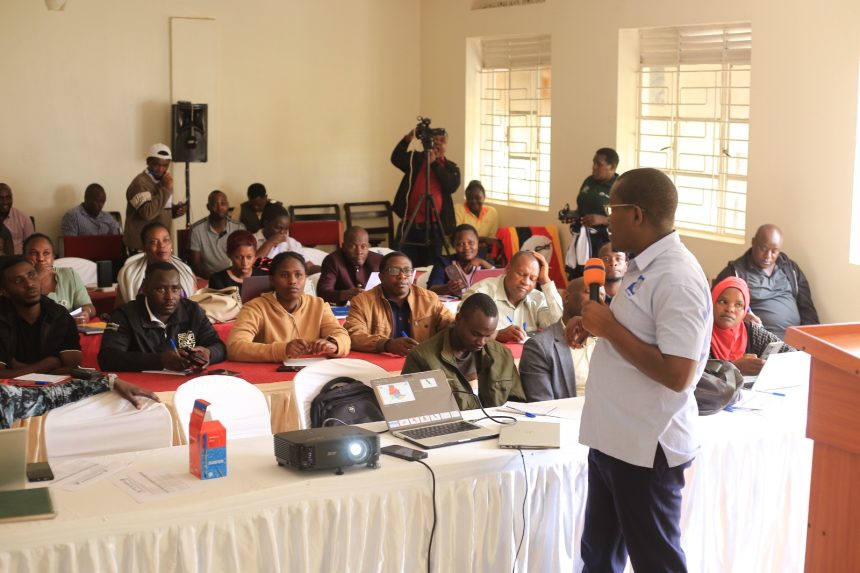
UAC statistician Brian Masimbi presented the figures on Wednesday during a one-day capacity-building and HIV prevention message dissemination workshop for journalists and communication officers in the Kigezi sub-region at Riverside Hotel in Rukungiri District.
Masimbi said although some districts have prevalence rates below the national average of about 4.7 per cent, the figures should not lead to complacency because HIV transmission is not evenly distributed within districts.
He urged journalists and district officials to obtain data at sub-county level to identify communities with a high HIV burden and guide targeted prevention interventions.

“If Rukungiri District has an HIV prevalence rate of 8.1 per cent, further analysis should establish which sub-counties and communities are contributing most to that figure,” Masimbi said.

He said understanding the factors behind the differences in prevalence among districts could help authorities strengthen interventions in areas with a higher burden.
Masimbi said HIV prevention should address both behavioural and social factors, including multiple and concurrent sexual partnerships, HIV discordance, lack of disclosure of HIV status, transactional sex, low condom use, low uptake of voluntary medical male circumcision, and alcohol and drug abuse.
He said alcohol and drug abuse can increase vulnerability to HIV by impairing people’s ability to make informed decisions about sexual behaviour.
Masimbi also identified poverty, economic disparities and gender inequality as structural factors that can increase vulnerability, particularly among young women involved in transactional or age-disparate relationships.
He said sexual and gender-based violence, including defilement and domestic violence, also increase the risk of HIV transmission.
The official further urged people living with HIV to adhere to antiretroviral therapy, saying those who take their medication correctly and achieve viral suppression do not sexually transmit HIV.
He also identified stigma and discrimination as barriers to HIV testing, disclosure, treatment and adherence.
He said HIV prevention therefore requires a combination of interventions, including testing, treatment, behavioural change communication and addressing social and economic vulnerabilities.
He also highlighted the continued HIV burden among children, adolescents and young women.
He said despite interventions to prevent mother-to-child transmission, some children continue to acquire HIV during pregnancy, childbirth or breastfeeding, pointing to gaps in prevention and access to services.
According to him, adolescents and young people account for about 40 per cent of new HIV infections, with young women accounting for about 80 per cent of new infections among that age group.
Uganda recorded about 34,400 new HIV infections last year, according to the figures presented at the workshop, equivalent to an average of about four new infections every hour.
He asked journalists to use HIV data to identify affected groups and communities and communicate prevention and treatment messages based on evidence.
About 54 people die from AIDS – related deaths in Uganda per day while 384 People die per week.