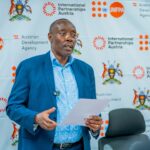
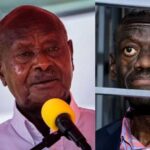





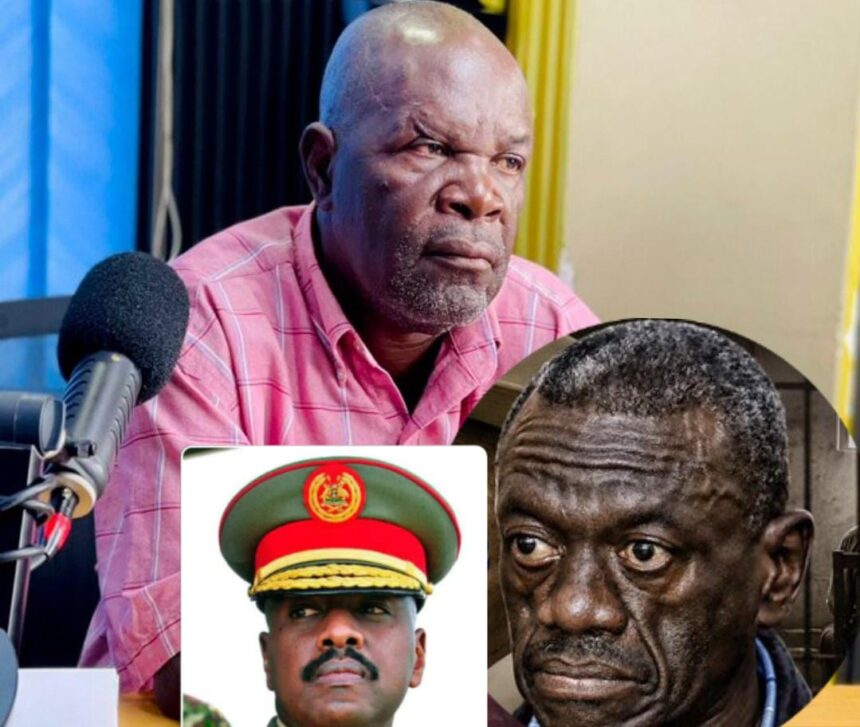

National Resistance Movement (NRM) Member of Parliament representing Older Persons in Eastern Uganda, Ofwono Opondo, has questioned the government’s handling of Dr. Kizza Besigye’s detention, saying Parliament has struggled to obtain clear answers about the opposition politician’s situation.
Opondo made the remarks during Thursday night’s edition of NBS TV’s Frontline programme, where he expressed concern about what he described as a lack of confidence among government ministers when responding to questions raised about Besigye.
The former government spokesperson said legislators should be able to demand straightforward explanations from the executive, particularly on matters involving the detention and welfare of prominent political figures.
“When you enter Parliament, you feel that nobody is willing to demand a forthright answer, and none of the people from the front bench appears to be confident enough to answer the questions of Dr. Besigye. I think it’s not a good situation for the government,” Opondo said.

His comments come amid continued public debate over the detention of Besigye, a longtime government critic who has been in custody since November 2024 over treason charges.

Opondo also called on the authorities holding Besigye and Kampala Lord Mayor Erias Lukwago to allow their immediate family members, lawyers and personal doctors to visit them and independently assess their welfare.

“It would be good practice and professional for the people holding Dr. Besigye and Lukwago to allow immediate family, lawyers or their personal doctors to make their assessment,” he said.
Lukwago was detained in June 2026 over charges of misprision of treason linked to the same case, according to the information provided.
Opondo’s intervention is significant because it comes from a legislator belonging to the ruling NRM, whose government has faced scrutiny over the treatment of opposition figures and other people held by security agencies.
His remarks also come against a wider backdrop of concerns raised by opposition politicians, human rights advocates and other public figures over alleged abductions, torture, unlawful detention and missing persons.
Although Opondo did not, in the quoted remarks, provide details of any specific restrictions imposed on the detainees, his call for access to family members, lawyers and personal doctors places renewed attention on their welfare and the need for transparency.
The concerns are likely to sustain debate over Parliament’s oversight role, the government’s accountability to elected representatives and the treatment of suspects awaiting the determination of criminal charges. The authorities’ response to Opondo’s latest remarks was not included in the available account.