
Summary:
- After Kabale, the Tribunal will return to Mbarara to handle complaints there from August 19th to 21st, 2014. A total of 16 complaints are scheduled, with only one complaint against Katerera Sub-county Council not involving the government (Attorney General). The Mbarara Regional Office is currently headed by Ms. Carolyne Gomushabe.
KABALE: The Uganda Human Rights Tribunal has begun hearing 13 complaints at the Uganda Human Rights Commission’s Kabale Regional Office in Kabale District.
Of these complaints, 12 are against the Attorney General, and one is against the Uganda Wildlife Authority. This marks the first tribunal session held at the Kabale Regional Office, which serves the districts of Kabale, Rukiga, Rubanda, Kisoro, Kanungu, and Rukungiri.
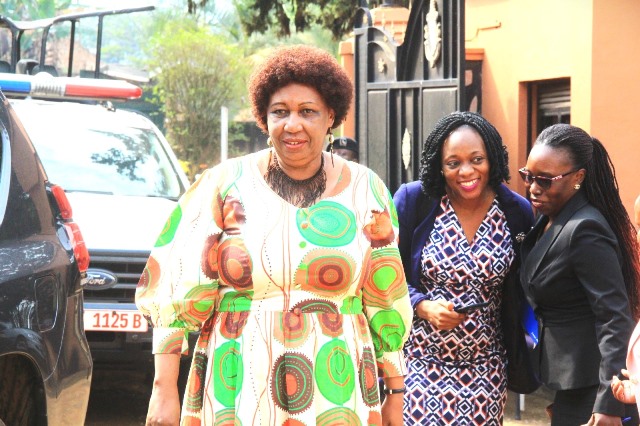
The session is presided over by Mariam Fauzat Wangadya, Chairperson of the Uganda Human Rights Commission, alongside Commissioners Hon. Crispin Kaheru, Hon. Lamex Omara Apita, and Hon. Rtd. Col. Steven Mwesige Basaliza. According to Ida Nakiganda, the Director in charge of Complaints, Investigations, and Legal Services at the Uganda Human Rights Commission, four of these cases were partially heard at the Mbarara Regional Office.

“All these matters were transferred from our Mbarara Regional Office to Kabale when it was operationalized in 2021. The Commission is set to deliver a decision in one of the four cases. The Tribunal will hear the defense from the Uganda Wildlife Authority (UWA) in one case, while the other two cases will proceed with further hearings. The remaining nine complaints are set for their first hearing before the tribunal,” she stated.

Nakiganda added that aside from the complaint against UWA, the other nine complaints are against the government, making the Attorney General the defendant.
“After Kabale, the Tribunal will return to Mbarara to handle complaints there from August 19th to 21st, 2014. A total of 16 complaints are scheduled, with only one complaint against Katerera Sub-county Council not involving the government (Attorney General). The Mbarara Regional Office is currently headed by Ms. Carolyne Gomushabe,” she added.
CUE IN NAKIGANDA……ON THE SESSION…..LUG/ENG//
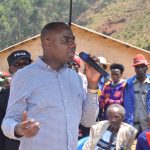
Twembi Topista, the Chairperson of the Kabale Regional Office, noted that bringing tribunal sessions to Kigezi will improve access to services for local residents.
CUE IN TWEMBI…..ON SESSION…….RR/ENG//
Albert Taremwa, Executive Director of Local Sustainable Communities Organization, also welcomed the tribunal’s presence in the Kigezi region, noting that it will alleviate the burden of residents having to travel to Mbarara for such services.
CUE IN TAREMWA….ON THE MATTER…..RR/ENG//
For the Uganda Human Rights Commission (UHRC) Tribunal to sit, it must include the Chairperson and at least three members of the Commission. Under Article 53(1) of the Constitution of Uganda, the UHRC has the powers of a court to question any person regarding matters under investigation and to require the disclosure of relevant information. If the Commission determines that a human rights violation has occurred, it can order remedies, including compensation for the affected individuals. These tribunal sittings are partly held to exercise these constitutional powers to ensure justice is served.