





Summary:
- Dr. Deus Twesigye, Acting Director of Mbarara Regional Referral Hospital, stated that the hospital receives around 100 patients daily for physiotherapy services.
MBARARA: Physiotherapists in Uganda are raising alarms over a growing shortage of professionals in their field, despite an increasing demand for physiotherapy services.
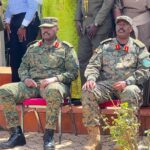
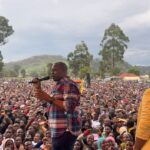
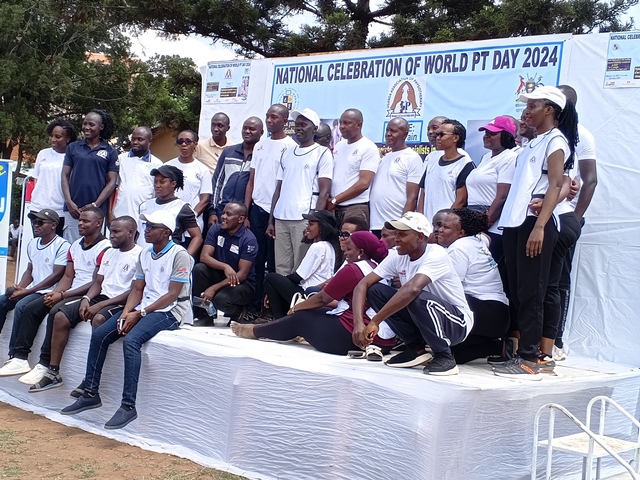
During a gathering in Mbarara City to commemorate National Physiotherapy Day, experts emphasized the urgent need for more physiotherapists nationwide. The event, organized by the Uganda Association of Physiotherapy (UAP) in partnership with Mbarara Regional Referral Hospital, aimed to raise awareness of the vital role physiotherapists play in improving fitness and quality of life.
Held at the Mbarara University of Science and Technology, the celebration included a 6-kilometer walk led by the UPDF band and featured free on-site patient screenings. The event’s theme, “Back Pain,” highlighted a prevalent issue, with UAP President Dr. Herman Kazibwe revealing that 39% of Ugandans suffer from back pain.

Dr. Kazibwe also addressed the critical shortage of physiotherapists in the country, noting that only 500 qualified professionals are currently available to meet the growing demand.

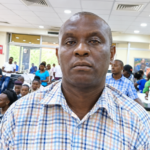
Dr. Deus Twesigye, Acting Director of Mbarara Regional Referral Hospital, stated that the hospital receives around 100 patients daily for physiotherapy services. He expressed hope that the event would boost awareness of the availability of these services at the facility.
Robert Kanusu, the Deputy Resident City Commissioner of Mbarara City North, urged the government to integrate specialized services like physiotherapy into lower-tier health facilities, making them accessible to all Ugandans, especially those in low-income areas.