
Summary:
- Tumuheirwe says that limited access to safe water exposes women and adolescent girls often responsible for water collection to increased risks of gender-based violence.
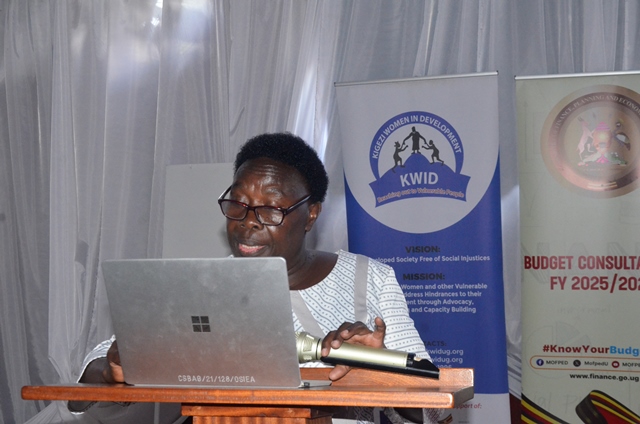
KABALE: Over 40.5% of households in the Kigezi region lack access to improved drinking water sources according to Florence Tumuheirwe, the Executive Director of Kigezi Women in Development (KWID) in Kabale District.
According to the 2022 Uganda Demographic Health Survey Report, 25.5% of households spend 30 minutes or more on round trips to collect water.
Tumuheirwe, presenting at the Local Government Budget Consultations for Kigezi Sub-Region last month, highlighted that Kibanda Parish in Kamwezi sub-county, Rukiga District, faces a significant challenge in accessing safe and clean water.

Tumuheirwe noted that many residents now rely on boreholes, some of which are non-functional. She specifically mentioned the Karorwa gravity water scheme, which has been out of service for over six years, despite its critical role in serving a large area, including schools like Kakaktunda Primary School.

She also raised concerns that limited access to safe water exposes women and adolescent girls often responsible for water collection to increased risks of gender-based violence. She also noted that poor sanitation in some schools and health care facilities continues to contribute to girls dropping out of school.
She urged the Ministry of Water and Environment to prioritize providing access to safe water for underserved communities in local governments.