
Summary:
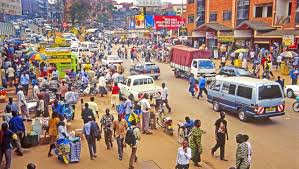
- Urban and rural areas often exhibit stark differences in terms of lifestyle, diet, and access to food. Urban areas, with their high population density, fast-paced lifestyles, and diverse food availability, tend to encourage convenience and a preference for processed, ready-to-eat foods.
OP-ED: The question of whether urban eating is unhealthier than rural eating, and the implications it has on the rise of non-communicable diseases (NCDs), is complex and multi-faceted.
To better understand this, we need to examine the dietary patterns, the consumption of processed and junk food, and how these factors are connected to the prevalence of NCDs in urban and rural areas.
Urban vs. Rural Eating Habits

Urban and rural areas often exhibit stark differences in terms of lifestyle, diet, and access to food. Urban areas, with their high population density, fast-paced lifestyles, and diverse food availability, tend to encourage convenience and a preference for processed, ready-to-eat foods. In contrast, rural populations may have greater access to fresh, locally grown produce, traditional diets, and cooking practices that rely on less processed ingredients.

Food Access and Availability
In urban areas, there is a higher density of supermarkets, fast food chains, and food delivery services, making it easier for individuals to access processed foods, snacks, and sugary beverages. In many cities, fast food has become an integral part of the diet, due to its convenience, affordability, and constant availability.
Additionally, urban populations tend to have higher levels of economic prosperity, but this often leads to increased consumption of high-calorie, nutrient-poor foods, such as trans fats, refined sugars, and excess salt.
On the other hand, rural populations often have more limited access to supermarkets or large food chains, and may rely more heavily on local, seasonal foods. While they are not immune to the availability of junk food, especially with the increasing penetration of processed food brands into remote areas, rural diets tend to be less influenced by the omnipresence of fast food outlets.
Traditional rural eating habits tend to be more focused on home-cooked meals made from raw ingredients, and consumption of processed foods is usually lower than in urban settings.
Socioeconomic Factors and Dietary Choices
Urbanization often brings with it greater wealth disparities. While there are many who live in affluence and can afford healthier diets, there are also many in urban areas that may not have the financial means to afford fresh, nutritious foods. This income disparity can lead to food insecurity and reliance on cheaper, calorie-dense foods, which are often nutrient-poor.
Moreover, urban settings often foster a fast-paced lifestyle where people prioritize convenience. This may encourage the consumption of fast food, pre-packaged meals, and street foods, which are typically high in trans fats, added sugars, and sodium. These factors combined can contribute to unhealthy eating patterns that have a direct link to a rise in NCDs such as obesity, type 2 diabetes, hypertension, and cardiovascular diseases.
Rural Eating: A Simpler, Healthier Diet?
In rural areas, diets tend to include more locally sourced fruits, vegetables, whole grains, and lean meats, and there may be a greater reliance on traditional cooking techniques. However, this does not mean that rural diets are immune from health risks.
As rural populations are becoming more exposed to urbanization and the globalization of food markets, they have increasingly adopted some of the same unhealthy eating habits that are common in urban settings. For example, the growing consumption of junk food, such as processed snacks, sugary drinks, and packaged foods, has been observed in many rural regions worldwide.
Furthermore, rural populations may not have the same access to healthcare services and education on nutrition, which could exacerbate the effects of unhealthy eating patterns.
The Rise of Non-communicable Diseases (NCDs)
The shift towards urbanization has been closely associated with an increase in NCDs globally. These diseases such as heart disease, stroke, diabetes, and certain cancers are often linked to lifestyle factors like poor diet, physical inactivity, and smoking. The prevalence of NCDs is significantly higher in urban areas compared to rural ones, largely due to urban eating behaviours.
The consumption of highly processed foods, including fast foods, junk foods, and foods containing trans fats, is a major contributor to this rise. The World Health Organization has highlighted the negative health impacts of trans fats, which are commonly found in processed foods, baked goods, and fried foods.
Trans fats have been linked to an increased risk of heart disease, obesity, and diabetes. In urban areas, where processed and fast foods are more readily available and marketed, the consumption of these unhealthy fats is more common.
In contrast, rural areas tend to have lower rates of obesity and cardiovascular disease, though these disparities are narrowing. Traditional diets rich in vegetables, fruits, and whole grains, combined with physical labour, tend to offer more protection against these conditions. However, as rural diets become more influenced by urban food trends, the risk of NCDs is rising.
Junk Food, Fast Food, and Trans Fats in Urban Areas
Urban centres are often at the forefront of fast food and junk food culture. These foods are often high in sugar, salt, and unhealthy fats. Fast food outlets and food delivery services are ubiquitous in cities, providing individuals with quick and convenient access to calorie-dense, nutrient-poor options.
For example, the rise of fast food chains has been linked to increased caloric intake, which can lead to weight gain, obesity, and associated diseases like hypertension and diabetes.
Trans fats, which are industrially produced fats used to extend the shelf life of processed foods, have been shown to significantly increase the risk of heart disease. These fats are commonly found in fast foods, fried foods, baked goods, and packaged snacks. The widespread consumption of these foods in urban settings has contributed significantly to the rise in NCDs.
Therefore, urban eating behaviours are more likely to contribute to the rise of NCDs compared to rural eating habits. The increased availability and consumption of processed foods, fast foods, and foods high in trans fats, sugars, and salt in urban environments have been key drivers in the global increase of NCDs.
Although rural populations were traditionally shielded from these unhealthy eating patterns, globalization and urbanization are slowly eroding these protective factors.
Despite this, rural areas still maintain certain advantages, such as easier access to fresh and locally sourced foods, which may offer some protection against diet-related diseases. However, as both urban and rural populations adopt more Western-style diets, the prevalence of NCDs is rising across the board.
Therefore, promoting healthier eating habits, improving food access, and increasing awareness of the risks associated with processed foods are essential steps for both urban and rural populations in combating the growing epidemic of NCDs.
The Writer, Kamara Daniel is a professional Clinical and Community Nutritionist at Bwindi Community Hospital in South Western Uganda, Kanungu District.
Kamara is also a Board Member, Allied Nutritionists Association of Uganda.