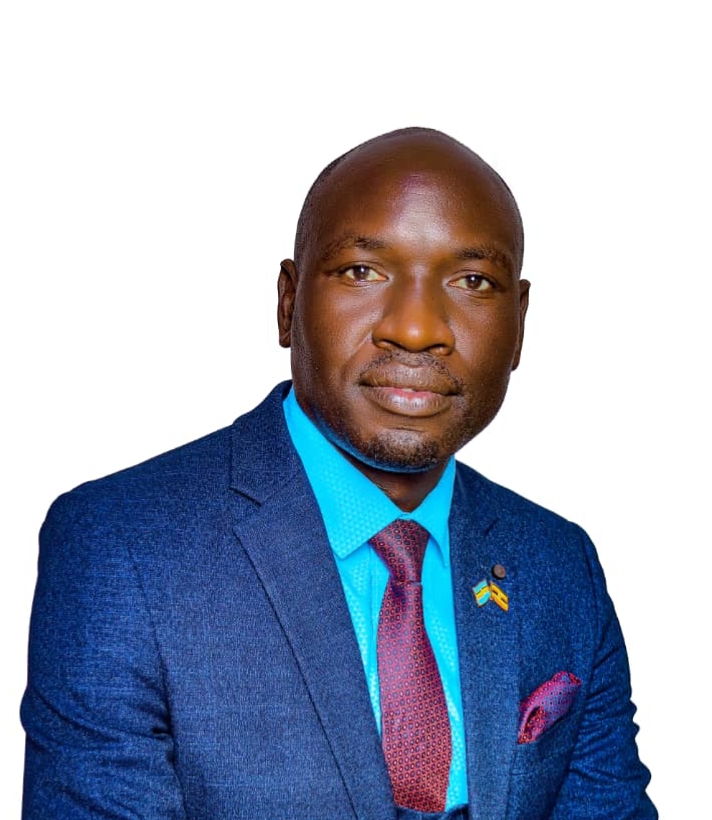

I join fellow Ugandans in reflecting on the forthcoming swearing-in ceremony marking 40 years of Uganda’s leadership under H.E. Rt. Gen. Yoweri Kaguta Museveni. It is both a moment of celebration for the country’s progress and a time to reflect on the painful and unresolved governance challenges that still require national attention and God’s intervention.
Since 1986, Uganda has been led by one president through eight completed terms of office, each lasting five years, and now prepares for a ninth term. Many Ugandans continue to celebrate this leadership with congratulatory messages and appreciation for the stability and development achieved over the years.
However, there is also a silent majority with reservations and unanswered expectations, especially regarding democratic governance and the dream of free and fair elections, aspirations that partly inspired the NRA/NRM liberation struggle in the 1980s.
Other Ugandans, including myself, continue to ponder the future of our country, particularly the question of a peaceful transition of power from one president to another, something Uganda has not fully experienced since independence in 1962.
Historically, political power in Uganda has often changed hands through armed struggle, militarised politics, commercialised political systems, and suppression of the citizens’ constitutional right to determine leadership through democratic means.

Political analysts often point to countries such as Tanzania, Kenya, Ghana and South Africa as examples Uganda can learn from in strengthening democratic institutions and peaceful political transitions. These countries have managed transitions through constitutional order, institutional reforms, and adherence to democratic principles.

For example, Uhuru Kenyatta served two presidential terms decades after his father once led Kenya. Similarly, George W. Bush became president years after his father’s presidency. Tanzania and South Africa have also maintained strong political party systems while ensuring smoother leadership transitions through constitutional and policy reforms that rise above personal or ego-driven interests.
Uganda’s new generation of leaders can learn from such comparative political experiences over the next five years as they shape the Uganda we want for the next 40 years and beyond, a future that will eventually exist beyond the lifetime of Rt. Gen. Museveni.
Members of Parliament and appointed ministers should think beyond the temporary privileges and personal interests attached to leadership today and instead focus on the long-term future of the country. I make this appeal as a patriot and nationalist, beyond political affiliation.
Congratulations to Mzee Yoweri Kaguta Museveni upon another term of leadership, and congratulations to all elected Members of Parliament. However, as the country moves forward, leaders should not ignore several heartfelt national concerns:
- Avoid manipulating the Constitution to alter universal adult suffrage in favour of indirect parliamentary election of the president.
- Any future political transition or succession process should be handled carefully through an inclusive national dialogue that establishes a constitutional and legal framework for peaceful transfer of power.
- Undertake fundamental policy and constitutional reforms that can guide Uganda towards stronger democracy, sustainable development, and a stable upper-middle-income economy.
- Address the unresolved crises of corruption in the public sector and political repression. There is need for reconciliation, protection of dissenting voices, and the unconditional release of political prisoners, including Kizza Besigye, Haji Obed Lutale, Sam Mugumya, and other political detainees, as well as opposition figures from the National Unity Platform and other political groups who equally desire a better Uganda.
To H.E. Gen. Yoweri Kaguta Museveni, Maama Janet Museveni, and Pastor Patience Rwabwogo, may this swearing-in ceremony for another presidential term become more than a celebration of political longevity. Let it also be a moment of reflection on the suffering of innocent Ugandans, particularly those imprisoned for political reasons, and an opportunity for forgiveness, reconciliation, and justice.
Many Ugandans remain concerned about delayed justice, denial of civil liberties, and prolonged detention of individuals without resolution of their cases. Such concerns continue to raise questions about the state of freedom and democracy in Uganda today. Some religious leaders may remain silent out of fear, yet many citizens believe that truth, justice, and compassion are values that should guide national leadership.
My humble opinion is that Uganda must now begin thinking about a renewed national journey, one that protects the gains already achieved while addressing the weaknesses that threaten them. Leadership should focus not only on preserving power, but on safeguarding the future of the nation for generations to come.
For God and My Country.
The writer, Dr. Joseph Tindyebwa, is a Minister of the Gospel and Senior Lecturer of Governance and Public Management at Kampala International University.