



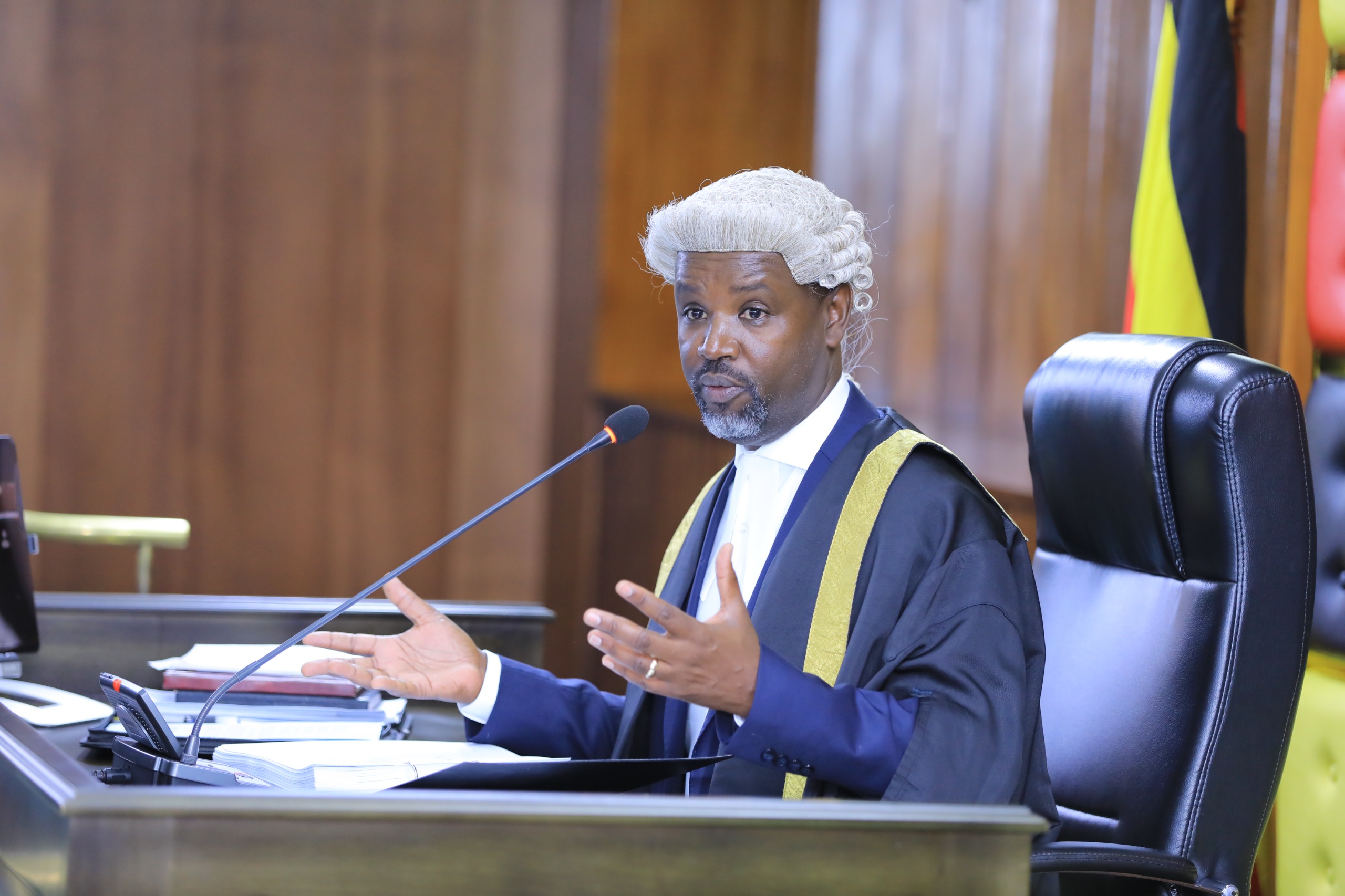

The Deputy Speaker of Parliament, Rt. Hon. Thomas Tayebwa, has expressed grave concern over reports that Ugandan girls are being trafficked to Dubai, United Arab Emirates (UAE), under the guise of employment opportunities, only to be forced into sex work.
Tayebwa’s remarks followed revelations by international media that a trafficking racket lures Ugandan women with promises of formal jobs before coercing them into the sex trade, where each victim is allegedly priced at USD 1,000.
He directed government to present a detailed statement to Parliament next week, outlining how Ugandans are being taken abroad under false pretenses and later exploited.
“Hon. Minister, let’s have a statement next week, especially on those cases of Ugandans who died. We need to know how you followed up, whether these people went through firms licensed by government or they went on their own,” Tayebwa demanded.
During the same sitting, Abdulhu Byakatonda (Workers’ MP) revealed he had drafted the Labour Externalisation and Management Bill, 2024, intended to address the challenges faced by Ugandans seeking employment abroad.

“We conducted research with economies like the Philippines and engaged the Attorney General and line ministry. This Bill is ready, and I urge Parliament to move it forward,” Byakatonda said.

Meanwhile, the Minister of State for Youth and Children Affairs, Dr. Balaam Barugahara, pledged government action, vowing to work with Interpol to apprehend those implicated.
“This gentleman featured in the BBC investigation must be arrested. The desperation of our young people should never be exploited by treating them as sex objects. Such acts are despicable,” Balaam stated.
The concern stems from a BBC World Service investigation which uncovered allegations against Charles “Abbey” Mwesigwa, a former London bus driver, accused of running a sex trafficking network in Dubai.
The report detailed how Ugandan women, misled with promises of supermarket or hotel jobs, ended up in degrading sex work under exploitative conditions.
Some victims reported being forced into extreme fetishes, including abuse involving human waste, often for wealthy foreign clients. Testimonies also revealed that women were trapped by fake debts and violent intimidation.
The BBC further linked Mwesigwa to the deaths of two Ugandan women, Monic Karungi and Kayla Birungi, who fell from high-rise apartments in Dubai under suspicious circumstances.
While both deaths were officially ruled as suicides, families and survivors insist they were never properly investigated.
Mwesigwa, who denied all allegations, claimed he was merely a “party organiser” with wealthy friends and dismissed the accusations as false. However, undercover reporting and testimony from former associates suggest otherwise.
Ugandan activist Mariam Mwiza, who has helped rescue hundreds from exploitation in the Gulf, warned that the trafficking pipeline remains active.
“Many young people are promised supermarket jobs, only to be sold into prostitution. Without strong laws and protection, this will continue,” she said.
For Monic and Kayla’s families, unanswered questions linger, as do fears for the many other Ugandan women still trapped abroad.
As Tayebwa and Parliament press government for answers, the urgency grows for Uganda to act decisively on labour externalization, ensuring that hopes for employment abroad do not end in tragedy.