


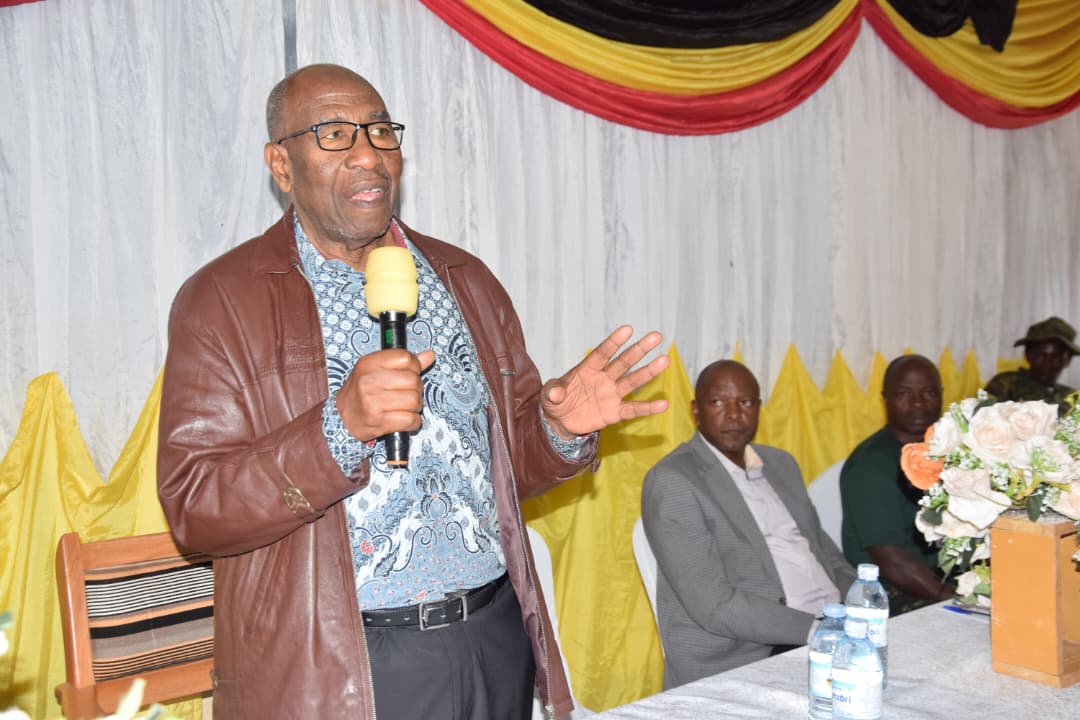

The Special Presidential Envoy and former Prime Minister, Rt. Hon. Dr. Ruhakana Rugunda, has underscored the importance of unity and ideological grounding as pillars for Uganda’s progress.
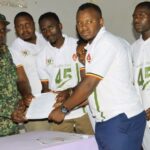
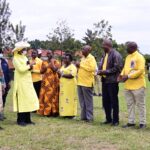
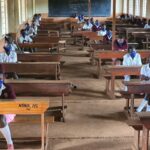
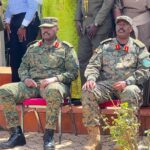
Speaking at the closure of ideological training symposia for Veterans and religious leaders in the Kigezi sub-region organized by the UPDF as part of the 45th Tarehe Sita Anniversary commemorations at Brainstorm High School in Kabale Municipality, Rugunda reflected on the historical contribution of religious figures to Uganda’s liberation struggle.
Rugunda cited the example of Father Seguya, who served on the Bush War committee, noting that religious leaders played key roles in supporting the liberation movement.
“If this solidarity and unity continue, Uganda, instead of walking, will actually be running,” he said.
He further highlighted the long-term effects of colonialism and slavery on African societies.

“The African society suffered immensely from both slavery and the colonial mission. Even today, as I speak, we are still victims of that brutalization,” Rugunda noted, adding that the National Resistance Movement (NRM) continues to pursue Africa’s rightful global standing.

During the symposium, religious leaders, led by Rev. Father Balthazar Ndyomugabe, Chaplain at Karoli Lwanga Hospital Nyakibale, presented a set of resolutions calling for equitable and inclusive ideological engagement.
They urged government to ensure future ideological seminars cut across all religious denominations to promote balanced information dissemination and deeper national transformation.
The leaders also requested the UPDF to deepen and expand its training for clergy to enhance their community impact. They proposed formal inclusion of religious leaders in government initiatives such as UPDF modernization projects, arguing that their contribution would strengthen program outcomes.
Additionally, they highlighted the urgent need for organized youth facilities, calling on government to support the establishment of playgrounds and training centers.
They also appealed for official recognition of religious leaders in government programs, noting that their influence remains underutilized in national development frameworks.
Also Veterans, including Capt (Rtd) Alisene Wedgie and Capt (Rtd) Damson Christmas Kivumba, expressed profound gratitude for the recognition and sustained support from the state.
They emphasized their commitment to cascading the lessons learned including practical skills, ideological orientation, and entrepreneurial knowledge back to their districts to support fellow veterans, their families, and local communities.
Furthermore, they advocated for retired military personnel to engage in politics and community leadership as disciplined, service-oriented figures, praising the facilitators for equipping them to lead productive and respected lives post-service.
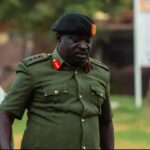
The activities were coordinated by the Joint Staff Political Commissariat under the leadership of Major General Henry Masiko, on behalf of the Defence Organizing Committee for Tarehe Sita.
Maj Gen Masiko noted that the ideological training is part of ongoing strategic mobilization efforts aimed at empowering key community actors. “This year for Kigezi, we split our target groups into three,” he said.