








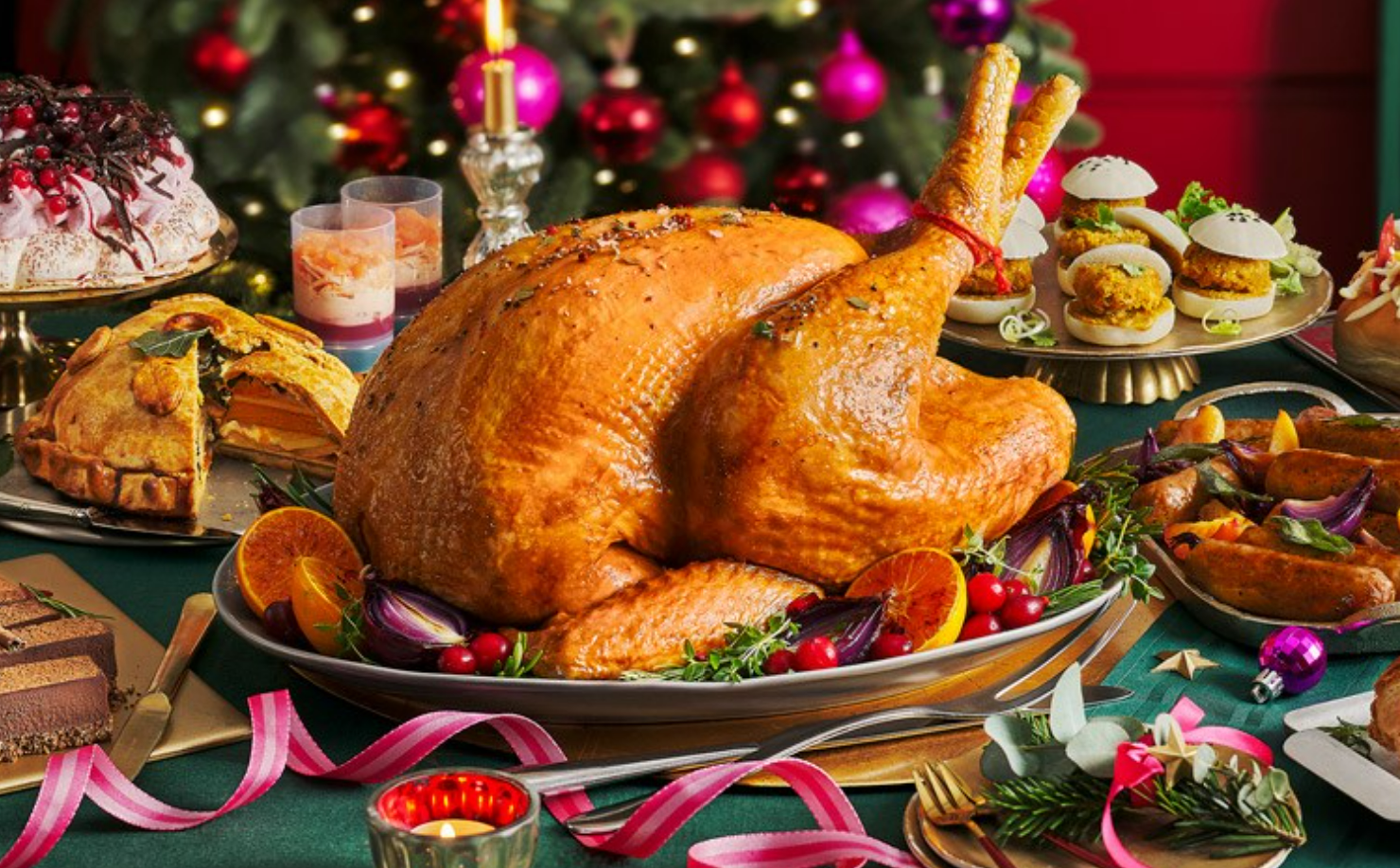

The Christmas and festive season is a time of joy, family gatherings, and shared meals with loved ones. Tables are often filled with a wide variety of traditional and modern dishes, making food central to the celebrations. While this is a wonderful opportunity to enjoy favourite meals, it is equally important to pay attention to healthy eating and food safety.
Overindulgence, poor food handling, and unsafe storage can lead to digestive problems and foodborne illnesses, most of which are easily preventable through simple, practical measures.
The Healthy Eating Plate provides a useful guide for enjoying festive meals without compromising health. Half of the plate should be filled with vegetables and fruits, which are rich in vitamins, minerals, fibre, and antioxidants that support digestion and strengthen immunity. This is especially important during a season when heavy, salty, and sugary foods are common. Recommended options include leafy greens, carrots, cabbage, tomatoes, pumpkin, sweet potatoes, and seasonal fruits such as oranges, mangoes, pineapples, and pawpaw.
One quarter of the plate should consist of whole grains and healthy carbohydrates. In the Ugandan context, foods such as matoke, posho, kalo, brown rice, sweet potatoes, cassava, yams, and whole-grain bread provide sustained energy and help regulate blood sugar levels. Choosing whole or minimally processed staples supports healthy weight management and reduces the risk of lifestyle-related diseases.
The remaining quarter of the plate should include lean protein sources, which are essential for muscle repair, immunity, and overall body function. Festive protein options include chicken, turkey, fish, beans, peas, lentils, eggs, and groundnuts. Whenever possible, grilled, boiled, stewed, or roasted foods should be preferred over deep-fried options to reduce excess fat intake.

Healthy fats should be consumed in moderation. Foods such as avocado, groundnuts, seeds, and small amounts of vegetable oils support heart and brain health and help the body absorb fat-soluble vitamins. Adequate hydration is also crucial. Water should be the primary drink, while sugary beverages and excessive alcohol consumption should be limited.

Beyond food choices, proper food preparation, storage, and handling are critical during the festive season. Many households cook large quantities of food, store leftovers, and host guests, increasing the risk of food contamination if safety practices are neglected.
Safe food preparation begins with cleanliness. Hands should be washed thoroughly with soap and clean water before cooking and after handling raw meat, fish, or eggs. Kitchen surfaces, utensils, and chopping boards must be cleaned before and after use. Separate utensils or chopping boards should be used for raw foods and ready-to-eat foods such as fruits and salads to prevent cross-contamination.
Fruits and vegetables should always be washed under running clean water before consumption or cooking. Meat, poultry, fish, and eggs must be cooked thoroughly to destroy harmful bacteria. Undercooked foods pose a serious health risk, particularly to children, pregnant women, the elderly, and individuals with chronic illnesses. Safe, clean water should be used for cooking and drinking, and when in doubt, water should be boiled first.
Proper food storage is equally important. Cooked food should not be left at room temperature for more than two hours, or one hour in hot weather. Leftovers should be refrigerated promptly in clean, covered containers, with large portions divided into smaller containers to allow faster cooling. Refrigerated leftovers should ideally be consumed within 24 to 48 hours, or frozen if kept for longer periods.
Raw foods such as meat and fish must always be stored separately from cooked or ready-to-eat foods. When reheating leftovers, food should be heated until steaming hot throughout, and reheating the same food more than once should be avoided.
During serving, hot foods should be kept hot and cold foods kept cold. Food should be covered to protect it from flies, dust, and dirt, especially during outdoor gatherings. Serving spoons should be used instead of hands, and handwashing before meals should be encouraged. Any food that smells unpleasant, looks spoiled, or has been left out for too long should be discarded, even if it appears safe.
In conclusion, enjoying the festive season does not require choosing between celebration and good health. By following the Healthy Eating Plate, practicing moderation, and observing proper food preparation, storage, and hygiene, families can enjoy Christmas meals safely and nutritiously. Balance, mindfulness, and cleanliness remain the foundation of a joyful, healthy, and memorable festive season.
The writer, Kamara Daniel, is an outstanding Nutritionist of the Year 2025 and Ministry of Health – Heroes in Health Awards