
The recent decision by the Kabale District Local Government to demote 15 head teachers and summon others to the District Rewards and Sanctions Committee over poor performance in the 2025 Primary Leaving Examinations (PLE) has reignited an old debate: Who should carry the blame when academic results fall short?
At first glance, the move appears decisive, even necessary. Leadership must come with responsibility. Schools cannot be left to drift without consequences for poor outcomes. Yet, while accountability is vital, reducing complex education challenges to the performance of a few head teachers risks mistaking symptoms for causes.
Examination results are the final product of a long chain of influences. They reflect not only school leadership, but also the socio-economic conditions of learners, the involvement of parents, teacher morale, availability of instructional materials, classroom congestion, infrastructure gaps, and the consistency of government support. In many rural and hard-to-reach areas of Kabale District, schools operate under severe limitations that no single administrator can solve alone.
A head teacher may set the tone, supervise staff, and enforce discipline, but they cannot manufacture textbooks where none exist. They cannot single-handedly reduce teacher shortages. They cannot fully compensate for hunger at home, long walking distances, or minimal parental supervision. When we overlook these realities, we risk crafting policy responses that are emotionally satisfying but structurally ineffective.
This is not an argument against accountability. Rather, it is a call for intelligent accountability. If demotions are to improve education standards, they must be accompanied by honest assessment of systemic weaknesses. Otherwise, the district may simply rotate administrators without addressing the root causes of underperformance.

The path to improved PLE results lies in supportive supervision, targeted capacity building, mentorship for struggling schools, adequate resource allocation, and stronger community engagement. Teachers need motivation and facilitation. Parents need to be actively involved. District authorities must ensure timely instructional support and monitoring that focuses on improvement rather than punishment.

Education reform thrives where evaluation identifies gaps and provides solutions, not where sanctions dominate the response. Sustainable progress requires collaboration between education officials, school leaders, teachers, families, and policymakers. Without that collective approach, disciplinary measures alone may offer headlines but deliver little long-term change.
Kabale District stands at a crossroads. It can either treat poor results as individual failure or confront them as a systemic challenge requiring shared responsibility. If genuine academic excellence is the goal, then fairness, support, and structural investment must walk hand in hand with accountability.
Blame may be swift. Real reform, however, demands depth.
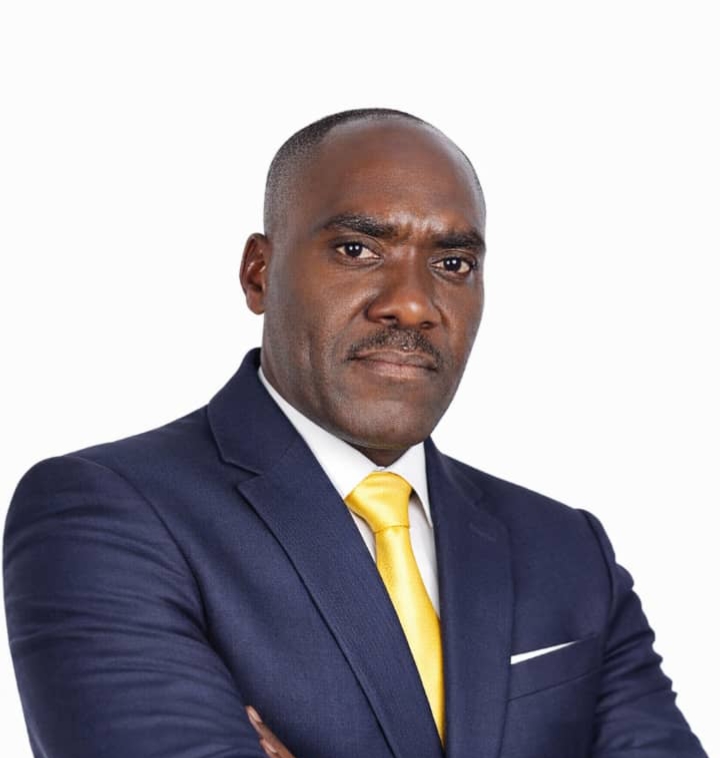
The Writer, Edmund Atusasire is a Politician and Social Analyst.