








When a person begins behaving unusually, talking to themselves or withdrawing from those around them, the community’s response is not always one of concern. Some are labelled mad, neglected or suspected of being under a curse.
For families caring for people with mental health conditions, the experience can be overwhelming. Beyond the emotional strain, they must contend with the cost of treatment, difficulties accessing specialized services and stigma that often isolates their loved ones from society.
Yet mental illness, like other health conditions, can affect anyone, regardless of age, background or social standing. With timely professional care, appropriate treatment and community support, many people living with mental health conditions can manage their symptoms, recover and lead productive lives.
As the world marks ‘World Mental Health Day’ on October 10, the focus is turning to the experiences of affected individuals and their families, the barriers they face in accessing care and the support they need to rebuild their lives.
This year’s theme, “Lived experiences heard: Real voices, real change,” calls for greater understanding of the realities faced by people living with mental health conditions while challenging the misconceptions that prevent many from seeking help.

In Kigezi Sub-region, the challenge is reflected in the number of people seeking treatment at Kabale Regional Referral Hospital.

Dr Johnson Bitungwa, the hospital’s principal psychiatric officer in April this year, said the facility registered 1,306 mental health patients between January and December 2025.
Of these, 842 were male and 464 females, while 311 men were admitted specifically because of alcohol-related conditions. The figures highlight the contribution of alcohol abuse to mental health challenges in the region, particularly among men.
Recent studies indicate that approximately 20% of Ugandans experience some form of mental health disorder during their lifetime. Women and young people are particularly vulnerable. For instance, depression affects roughly 9-12% of women in Uganda, often linked to economic stress, domestic responsibilities, and trauma. Anxiety disorders are also on the rise, with estimates suggesting about 8% of the adult population experiences significant anxiety symptoms.
Studies estimate that around 15% of children and adolescents in Uganda experience mental health disorders, including behavioral problems, depression, and anxiety. Despite the high prevalence of mental health disorders, access to care remains limited. Uganda has roughly 0.08 psychiatrists per 100,000 population, which is far below global recommendations. Most psychiatric services are concentrated in Butabika National Referral Mental Hospital and a few urban hospitals.
The World Health Organization’s September 2026 report estimates that more than one billion people worldwide live with a mental health condition, underscoring the scale of a challenge affecting individuals, families and communities across the globe.
Mental well-being is shaped by a combination of biological, social, family and environmental factors. Traumatic experiences, difficult living conditions and prolonged exposure to stress can increase the risk of mental health problems, making early identification and access to professional care essential.
Substance Abuse and Mental Health
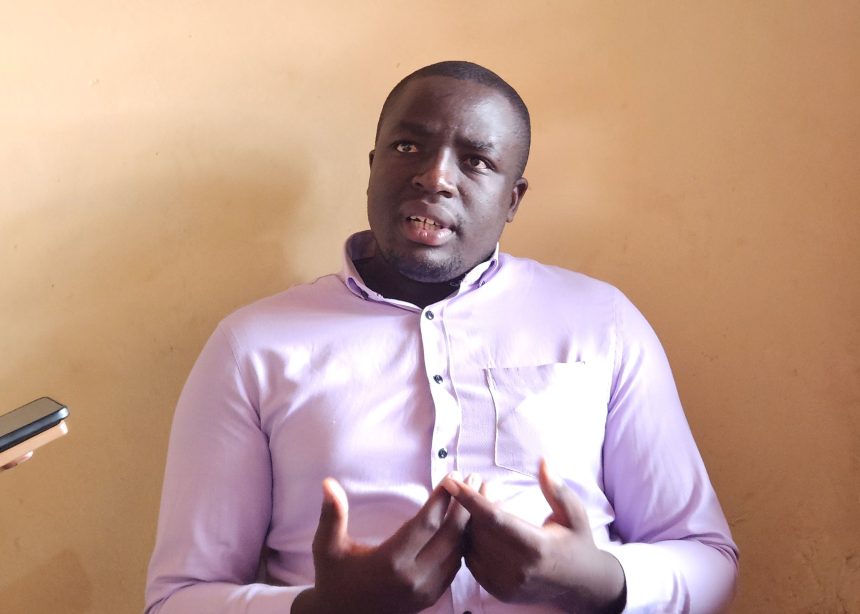
For Ivan Nabisingura, the director of Metanoia Treatment and Rehabilitation Centre (METRC), based in Kijuguta Ward, Northern Division of Kabale Municipality, substance abuse is among the major concerns in addressing mental health challenges.
He says alcohol and other drugs are contributing to mental health problems, particularly among young people, and warns that misleading information about substance use can expose more people to harm.
Nabisingura explains that mental health conditions can be associated with several factors, including hereditary predisposition, traumatic experiences, accidents, ageing, unemployment, domestic violence and financial difficulties.
For families whose livelihoods depend on agriculture, prolonged dry spells and the resulting economic hardships can also contribute to stress that becomes difficult to manage.
Children exposed to sexual or physical abuse may experience trauma that affects their mental well-being, while people with a family history of certain mental health conditions may face an increased risk of developing similar problems.
CUE IN NABISINGURA… ON MENTAL HEALTH… RR/ENG//
Nabisingura is particularly concerned about the use of alcohol and other substances, including marijuana and nicotine, as well as the misuse of prescription medicines.
He calls for stronger implementation of laws intended to address alcohol-related harm, arguing that substance abuse requires a coordinated response involving government, health professionals, families and communities.
According to him, the burden associated with harmful alcohol consumption makes it important for stakeholders to work together to prevent substance abuse, improve access to rehabilitation and support people struggling with addiction.
He cautions young people against assuming that changing the method of taking a drug makes it safe, emphasizing that substance use can have serious consequences for mental health.
He urges young people to seek reliable information about drugs and avoid using substances as a way of coping with personal, social or economic difficulties.
CUE IN NABISINGURA… ON DRUG ABUSE… RR/ENG//
Stigma Deepens the Struggle
Beyond substance abuse, Nabisingura says stigma remains a major barrier to supporting people living with mental health conditions.
In some communities, mental illness is associated with witchcraft, curses or personal weakness. Such beliefs can lead families to hide affected relatives, delay seeking professional treatment or leave them without the support they need.
Nabisingura rejects these misconceptions, arguing that mental illness should be understood and treated as a health condition rather than a punishment or a sign of being bewitched.
“Mental illness is not a curse. It is an illness like any other, and it is treatable,” he says.
He adds that people who have lived with mental health conditions for years can remain productive members of society when they receive appropriate treatment and support.
As the world marks Mental Health Day, Nabisingura says it is important to recognize people who have continued with treatment and rebuilt their lives despite the challenges associated with their conditions.
Their experiences, he argues, can help challenge negative attitudes and encourage others who may be struggling to seek professional assistance.
The theme, “Lived experiences heard: Real voices, real change,” provides an opportunity to listen to affected people rather than make assumptions about their behaviour or circumstances.
Nabisingura also calls on communities to show compassion towards people who are neglected because of their mental health conditions.
He says simple acts of kindness, including offering food, shelter and a safe place to rest, can help affected individuals feel accepted and remind them that they remain part of society.
For caregivers, however, the responsibility can be emotionally exhausting, particularly when a loved one requires continuous attention and specialized care.
He urges families not to interpret symptoms of mental illness as deliberate attempts to attract attention but instead to seek professional guidance and provide appropriate support.
CUE IN NABISINGURA… ON STIGMA… RR/ENG//
Shortage of Specialists
Although public awareness is important, access to treatment remains another challenge.
Nabisingura acknowledges government efforts to provide medicines in public hospitals and deploy mental health professionals but says more investment is needed to meet the growing demand for services.
He argues that the number of people requiring mental health care places pressure on available specialists, making it difficult for the health system to adequately serve everyone.
He cites Uganda’s limited number of psychiatrists as a particular concern, estimating that the country has about 100 psychiatrists serving a population of approximately 45 million to 50 million people.
The shortage, he says, points to the need to recruit and motivate more mental health professionals while strengthening other services that can support people living with mental health conditions.
Nabisingura also calls for sustained public awareness campaigns to help communities understand mental illness, recognise the importance of professional care and challenge harmful beliefs.
He suggests that approaches used in other public health campaigns, including music, dance and drama, could be adapted to communicate mental health messages more effectively.
Such initiatives, he says, could help communities recognise warning signs, understand when to seek professional assistance and encourage affected individuals to obtain help before their conditions become more difficult to manage.
He also calls for stronger support for private rehabilitation centres that complement government services, arguing that they can help expand access to care when adequately equipped and supported.
CUE IN NABISINGURA… ON AWARENESS AND PRIVATE SECTOR… RR/ENG//
Bringing Treatment Closer to Communities
For families living far from specialised facilities, accessing treatment can involve long and difficult journeys.
Nabisingura says transporting a person with a mental health condition from a district such as Kabale to Kampala can be challenging, particularly for families already struggling with the demands of caregiving.
The difficulties can be compounded by transport costs, the need for someone to accompany the patient and the emotional strain associated with seeking treatment far from home.
Uganda relies on Butabika National Referral Mental Hospital for specialised referral services, making the development and strengthening of regional capacity an important consideration in improving access to care.
Nabisingura advocates for the establishment or strengthening of regional mental health treatment centres to bring specialized services closer to communities.
Such facilities, he says, could reduce the burden on families, ease pressure on existing referral services and enable more people to receive timely treatment without travelling long distances.
CUE IN NABISINGURA… ON REGIONAL CENTRES… RR/ENG//
A collective responsibility
Nabisingura calls on religious leaders, journalists, community leaders and other stakeholders to help spread accurate information, challenge stigma and encourage people to seek professional assistance.
He says public discussions should give people living with mental health conditions an opportunity to share their experiences without fear of discrimination, ridicule or rejection.
Listening to their stories, he argues, can help communities understand the challenges they face and identify practical ways of supporting recovery and social inclusion.