





The government will launch the National Framework for Health and Life Skills Education on Wednesday, October 28, 2026, in a move aimed at equipping young people with the knowledge, values and practical skills needed to protect their health, make informed decisions and become responsible citizens.
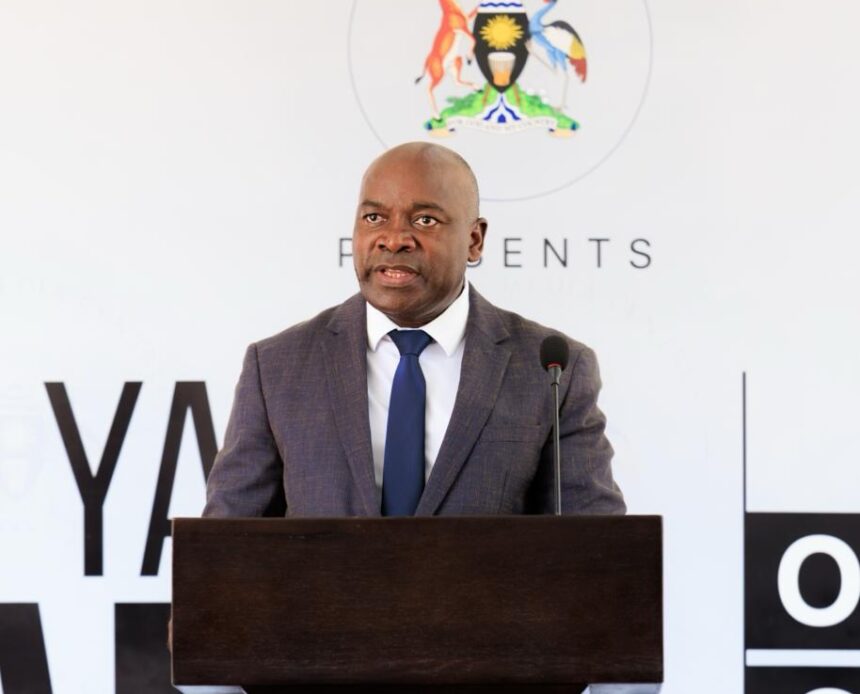
Dr Cleophas Mugenyi, the Chief Education Officer at the Ministry of Education and Sports, announced the planned launch during a press briefing at the Uganda Media Centre on Monday. The briefing was attended by representatives from the Office of the First Lady, the Ministry of Gender, Labour and Social Development, the Ministry of Health and the Inter-Religious Council of Uganda (IRCU).
Dr Mugenyi said the framework goes beyond academic instruction to help young people develop resilience, embrace positive values and navigate everyday challenges.
He noted that investing in young people was critical to safeguarding their well-being, strengthening human capital and driving Uganda’s socio-economic development, given their share of the country’s population.
The framework covers five key areas: Growth and Human Development; Relationships; Life Skills and Keeping Safe; Health and Well-being; and Responsible Citizenship.
These areas are organised into learning units tailored to five age groups: three to five, six to nine, 10 to 12, 13 to 16, and 17 years and above.

The age-based approach is intended to ensure that children and young people receive appropriate guidance at different stages of their development. It caters for both in-school and out-of-school youth and seeks to address concerns over fragmented teaching materials.
Beatrice Baingana, representing the Office of the First Lady, said the framework prioritises prevention by equipping young people with positive values and practical decision-making skills.
She said the approach was guided by the principle that prevention is better than cure and adopts a holistic understanding of young people’s well-being, encompassing physical, emotional, mental and spiritual health, as well as relationships.
Baingana added that although the framework emphasises avoiding risks, it also provides for risk-reduction measures for young people who have already been exposed to harm.
Dr Richard Mugahe, the Commissioner for Reproductive and Child Health at the Ministry of Health, said the ministry would work with schools and communities to improve young people’s access to health information and services.
He said the goal was not merely to help children survive health challenges but also to enable them to thrive, become productive members of society and contribute to Uganda’s economic development.
Representing the IRCU, Rev Daniel Wejuli Token welcomed the initiative, saying it reflects Uganda’s cultural and religious values and can be implemented across formal, non-formal and informal education settings.
The Ministry of Gender, Labour and Social Development also emphasised the role of families and communities in guiding young people.
Patience Namanya, a coordinator at the ministry, said the framework would raise public awareness of adolescent development, strengthen protective social networks and promote efforts to end harmful cultural practices.
She added that the ministry planned to integrate the framework’s values into its ongoing community programmes.
Media houses, faith-based organisations and civil society groups are expected to support public awareness campaigns to ensure communities understand the framework and its objectives.
Stakeholders say sustained collaboration among government agencies, families, schools, religious institutions and civil society will be essential to translate the policy into practical action and ensure it benefits young people across the country.