
In a world where sleeping pills are increasingly becoming a nightly routine, we often overlook a simpler, safer, and more natural solution: food. Sleep is not just a luxury. it is a biological necessity that affects our mood, memory, immunity, and overall physical health. What we eat, or fail to eat, can either support restful sleep or silently sabotage it.
Nutrition plays a powerful role in regulating sleep patterns. Certain foods help the body produce hormones that promote relaxation and rest, while others stimulate the nervous system and keep the brain alert long after bedtime. Instead of reaching for medication as a first option, adjusting our diet may be the key to better, deeper sleep.
Foods That Naturally Enhance Sleep
Complex carbohydrates such as whole grains, brown rice, quinoa, oatmeal, and whole-grain bread help increase the availability of tryptophan, an amino acid the body uses to produce serotonin and melatonin.
These hormones are essential for calming the mind and regulating the sleep–wake cycle. By stabilizing blood sugar levels, complex carbohydrates gently prepare the body for sleep.

Lean proteins, including turkey, chicken, fish, and legumes, are also rich in tryptophan. Turkey’s long-standing association with sleepiness is not a myth; its nutritional profile genuinely supports relaxation and sleep onset when eaten in balanced portions.

Fruits like cherries, bananas, and kiwis deserve special mention. Tart cherries are one of the few natural food sources of melatonin. Bananas, on the other hand, provide magnesium and potassium, minerals that help relax muscles and calm the nervous system.
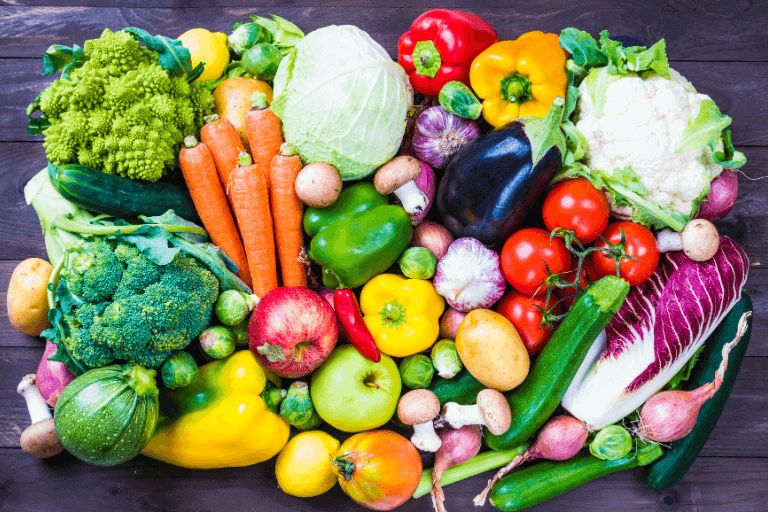
Vegetables, especially leafy greens such as spinach and kale, as well as local greens like nakatti and buga, are rich in magnesium and other micronutrients that promote sleep. Starchy vegetables contribute healthy carbohydrates that support overall energy balance and nighttime rest.
Nuts and seeds, including almonds, walnuts, and flaxseeds, contain healthy fats, magnesium, and small amounts of melatonin. These nutrients work together to reduce stress and improve sleep quality.
Herbal teas such as chamomile, valerian root, passionflower, lemon, and ginger have long been used to promote relaxation. While mild, their calming effects can be helpful as part of a bedtime routine.
Fatty fish like salmon, sardines, and mackerel provide omega-3 fatty acids and vitamin D. These nutrients support serotonin production and reduce inflammation, both of which are linked to improved sleep quality.
How Food Supports the Body Clock
The circadian rhythm is the body’s internal clock that governs when we feel awake and when we feel sleepy. Food influences this rhythm in several ways.
Tryptophan-rich foods support serotonin and melatonin production, while foods naturally containing melatonin, such as cherries and walnuts, help signal that it is time to sleep.
Minerals like magnesium and zinc relax the body and support hormonal balance. Just as important is consistent meal timing, which helps synchronize the body clock and promotes more regular sleep patterns.
Foods That Disrupt Sleep
Not all foods are sleep-friendly. Caffeine, found in coffee, tea, energy drinks, and chocolate, is a powerful stimulant that can remain in the body for hours. Consuming it in the afternoon or evening often delays sleep and reduces sleep quality.
Sugary foods, including candies, desserts, and sugary cereals, cause rapid spikes and crashes in blood sugar, leading to restlessness and nighttime awakenings.
Spicy foods may trigger indigestion and raise body temperature, both of which interfere with falling asleep.
Alcohol, despite making some people feel sleepy initially, disrupts deep sleep and leads to fragmented rest.
High-fat and fried foods are heavy on digestion and can cause discomfort, making it harder for the body to fully relax.
Practical Nutrition Tips for Better Sleep
- Eat meals at consistent times to support your internal clock.
- Prioritize sleep-friendly foods in the evening.
- Limit caffeine and sugary snacks later in the day.
- Stay well-hydrated, but reduce fluids close to bedtime.
- Avoid heavy meals at night; if hungry, choose a light snack, don’t eat as though it’s tomorrow’s breakfast.
A Natural Path to Rest
Nutrition significantly influences sleep quality and duration. By choosing foods that support relaxation and avoiding those that disrupt rest, individuals can improve sleep naturally, without relying on drugs. A balanced diet, regular meal timing, and mindful eating are simple but powerful steps toward better sleep and overall well-being.
The writer, Kamara Daniel, is a Nutritionist and Outstanding Nutritionist of the Year 2025, Ministry of Health – Heroes in Health Awards.