Summary:
- Edirona Ithungu, who is currently staying at Kasangali SDA Primary School with her husband and ten children, told this online news Publication that living with relatives has proven more challenging than the camp experience.
KASESE: After the devastating landslides and floods that struck Kasese district in May, many families were forced to seek refuge in temporary camps.
However, with support from the Prime Minister’s office, the Red Cross, and various local and national NGOs, many families have begun returning to their relatives’ homes or setting up tents on their remaining land.
Jovenal Muke, the sub-county Chairperson for Kyondo, reported that all five temporary camps in his area have been vacated.

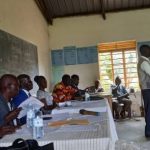
“The last family left the camp last Sunday,” he shared during an advocacy dialogue organized by Oxfam.

However, leaving the camps does not mark the end of the struggles for some families. Edirona Ithungu, who is currently staying at Kasangali SDA Primary School with her husband and ten children, told this online news Publication that living with relatives has proven more challenging than the camp experience.
“Managing my family within someone else’s home is difficult,” she said, urging the government to provide resettlement options or allow them to stay in a church.
Mustafa Kikusa, the Principal Secretary in the Chief Administrative Officer’s office, stated that the district has identified families whose homes were permanently destroyed and are in need of assistance.
A comprehensive report detailing the extent of the damage and the required support, estimated at 640 billion shillings, has been submitted to the Prime Minister’s office.
Gard Benda, the Country Director for World Voice Uganda, highlighted the need for a well-established camp to support the affected families.
Johncation Muhindo, team leader at Creations Forum Afrika (CAF), called for increased funding to address climate change adaptation measures, emphasizing that investing in disaster reduction is more cost-effective than responding to disasters after they occur.
While the Ugandan government is working on policies to mitigate disaster occurrences, environmentalists argue that more needs to be done to tackle the root causes of these disasters.
As affected families continue to rebuild their lives, it is crucial to focus on sustainable solutions to prevent future tragedies.