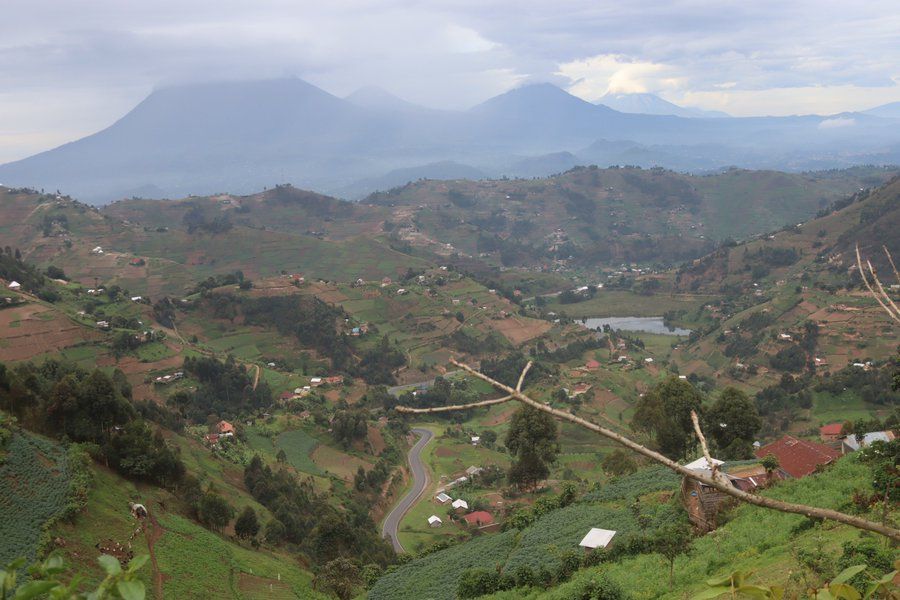

Kigezi Sub-region has been listed among areas expected to receive near- to above-average rainfall during the March–April–May (MAM) 2026 season, according to the latest seasonal outlook released by the Office of the Prime Minister.
In a press statement outlining anticipated impacts and mitigation measures, government indicated that near- to above-average rainfall is expected in parts of West Nile, Lango, Rwenzori, Kigezi, sections of Acholi, Bugisu, Bukedi, parts of Teso and Buganda.
Near-average rainfall is projected in Ankole, Karamoja and parts of Busoga, Bunyoro and Buganda. The Northwestern region, areas around Lake Victoria and parts of the Eastern region are also likely to experience near-average to above-average rainfall.
Authorities have warned that the expected rains could trigger flooding and waterlogging in low-lying areas and along the lower slopes of Mount Elgon, potentially affecting districts such as Butaleja, Rubanda, Kisoro, Amuru, Obongi, Pakwach, Kayunga, Kalungu, Rakai, Kitgum, Otuke, Lamwo, Serere, Bukedea and Kasese.
Flash floods are also possible in Kampala and other urban centres, which may disrupt transport and business activities. Highland areas in Elgon, Rwenzori and Kigezi face an increased risk of landslides, mudslides and soil erosion.

At the onset of the season, hailstorms and strong winds may affect districts including Kibaale, Sembabule, Ibanda, Buvuma, Kalangala, Bukomansimbi, Isingiro, Mbarara, Mitooma and Tororo. The rains could also lead to a rise in livestock diseases and crop pests such as Fall Army Worm, as well as water-related illnesses including cholera, typhoid, dysentery and malaria.

Increased lightning strikes are anticipated in high-risk districts such as Kisoro, Lamwo, Bushenyi, Ntungamo, Nwoya, Amuru, Busia and Bugiri.
The Minister for Relief, Disaster Preparedness and Refugees, Hilary Onek, said government has intensified preparedness efforts ahead of the season. He revealed that authorities have completed the registration of households at high risk of landslides in the Elgon sub-region and procured land for their resettlement.
The MAM seasonal forecast has been disseminated at regional level, community disaster risk management structures have been strengthened in partnership with the Uganda Red Cross Society, and relief food has been procured for communities likely to be affected.
Minister Onek urged city, district and urban authorities to activate contingency plans in identified hotspot areas and improve stormwater drainage systems, especially in flood-prone zones. He advised communities living on steep slopes in Elgon, Rwenzori and Kigezi highlands to remain vigilant and consider temporary relocation where necessary.
He cautioned motorists and pedestrians against crossing flooded road sections and called on road users to observe speed limits during rainy conditions due to reduced visibility and slippery surfaces.
Households were encouraged to harvest and store animal feed, maintain proper sanitation and hygiene, clear bushes around homesteads to reduce mosquito breeding and consistently use insecticide-treated mosquito nets.
The minister further advised residents to avoid open areas during severe storms and lightning, trim tree branches near buildings and ensure that urban manholes are properly covered to prevent accidents.
While acknowledging the potential risks, Onek encouraged communities in sub-regions expected to receive above-normal rainfall to take advantage of the season by investing in water harvesting and boosting food production to strengthen food security during dry periods.
He also called upon District Disaster Management Committees to intensify community sensitization and closely monitor early warning signals to safeguard lives, livelihoods and property.