






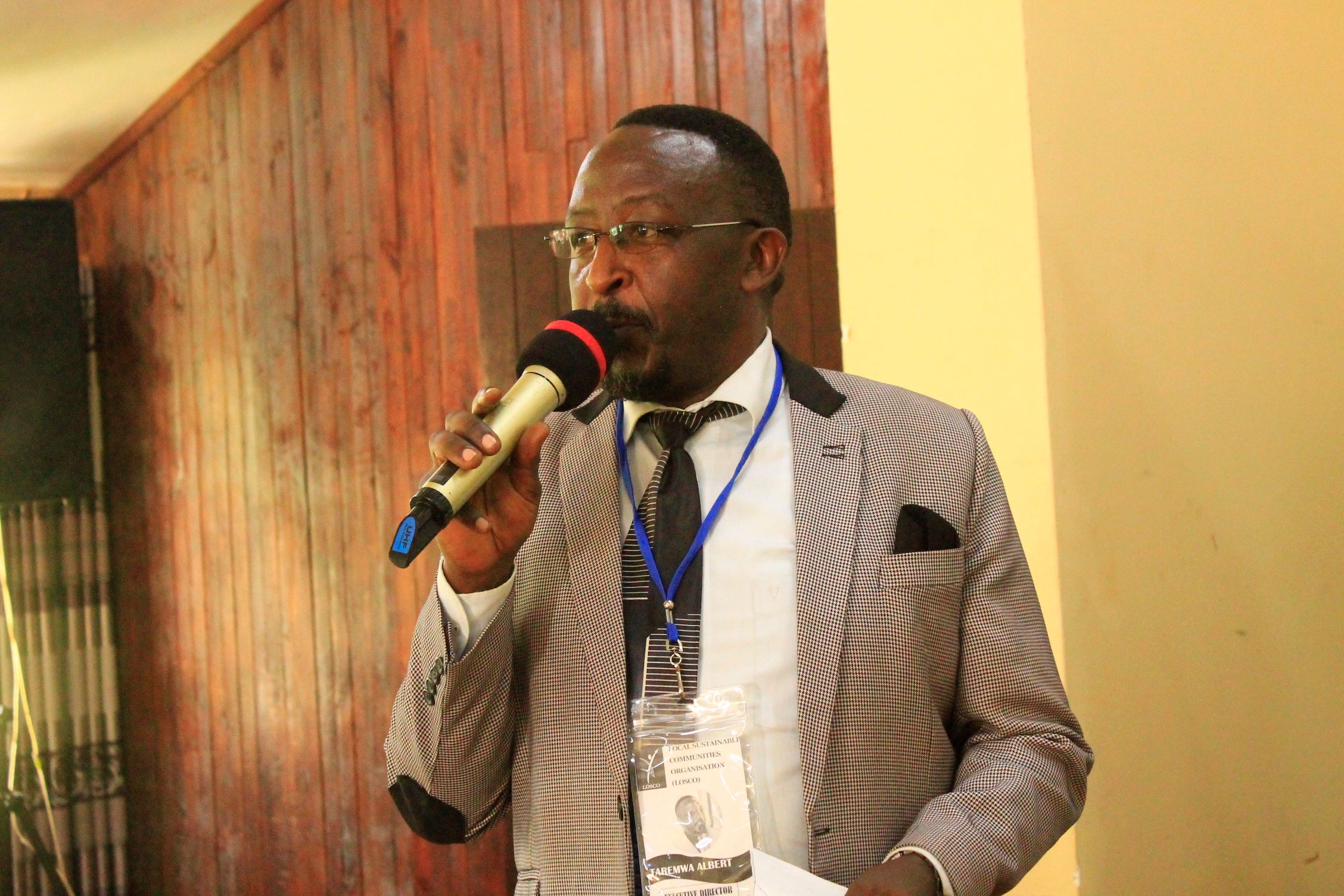

Stakeholders in the Kigezi sub-region have been urged to embrace evidence-based advocacy to address persistent gaps in sexual and reproductive health and rights (SRHR), despite notable progress in health service delivery.
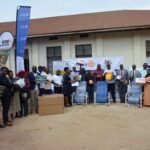
The call was made by the Team Leader of the Local Sustainable Communities Organization-LOSCO, Albert Taremwa, during the dissemination of findings from a regional SRHR assessment held at White Horse Inn in Kabale Municipality.
The assessment, conducted under the theme, Breaking Barriers: Promoting Inclusive SRHR Access for the Poor and Marginalized in the Kigezi Sub-region, highlighted achievements in maternal health, family planning, HIV prevention and treatment while identifying challenges that continue to affect adolescents, rural women and other vulnerable populations.
Taremwa said the evidence generated by the study would strengthen advocacy efforts aimed at promoting equitable access to quality sexual and reproductive health services and building healthier, more inclusive and resilient communities across the region.
According to the assessment, Kigezi has recorded significant improvements in maternal health indicators, including increased skilled birth attendance, improved antenatal care coverage and a reduction in maternal deaths. However, emergency referral systems remain inadequate, often delaying access to life-saving care for expectant mothers.

The report also found that family planning services have become more widely accepted across the region. Nevertheless, uptake remains uneven, particularly among adolescents and women in rural communities, where unmet needs remain high.

Researchers attributed the low uptake to persistent myths and misconceptions about contraceptives, especially among men, which in some cases fuel gender-based violence and discourage women from accessing reproductive health services.
Although adolescent pregnancy rates in Kigezi remain below the national average, the assessment identified teenage pregnancy as an emerging concern due to limited access to youth-friendly health services and inadequate sexual and reproductive health information for young people.
On HIV/AIDS, the report noted that while national infection rates continue to decline, localized vulnerabilities persist, particularly in Rukungiri District. Women, adolescent girls and key populations continue to bear a disproportionate burden of new infections, while cross-border movement presents additional challenges to HIV prevention efforts.
Gender-based violence (GBV) was identified as one of the region’s most pressing concerns. Kanungu District recorded the highest prevalence, followed by Rukungiri, Kisoro, Rubanda, Rukiga and Kabale. The study also pointed to widespread underreporting of GBV cases and barriers that prevent survivors from accessing health, legal and psychosocial support services.
The assessment further revealed that marginalized groups, including the Batwa community, persons with disabilities, refugees, sex workers, adolescents and women living with HIV, continue to face significant barriers in accessing SRHR services.
Researchers emphasized the need for stronger collaboration among health facilities, the police, the judiciary, local governments, civil society organizations and community leaders to ensure inclusive service delivery and protection of human rights.
Among its recommendations, the assessment called on district local governments to prioritize essential and inclusive health commodities, integrate SRHR interventions into district development plans and budgets, and improve disability-friendly health infrastructure.
Justice sector institutions were urged to strengthen Family and Child Protection Units, expedite investigations and prosecution of GBV and SRHR-related cases, expand legal aid services to underserved communities and adopt survivor-centred approaches.
Civil society organizations were encouraged to intensify community awareness campaigns, legal literacy programmes, documentation of SRHR violations and social accountability initiatives. Development partners were also called upon to increase investment in adolescent health programmes, HIV prevention, GBV response, disability inclusion and climate-resilient health systems.
Researchers further noted that Kigezi’s mountainous terrain, remote communities, cross-border migration, indigenous Batwa population, growing youthful population, rural poverty and climate-related vulnerabilities continue to affect access to health and justice services.
The study also revealed that civil society organizations have supported Kabale District in developing a disaster response plan, which is expected to be integrated into district and municipal development frameworks.
CUE IN….TAREMWA ON ISSUES ENG…..//
ASP Arnold Ndagije, the Kigezi Regional Police Legal and Human Rights Officer, expressed concern over the increasing number of children coming into conflict with the law, calling for stronger parental responsibility and community involvement.
He revealed that during a recent visit to a remand home with stakeholders led by Kabale High Court Judge Justice Karoli Lwanga Ssemogerere, they found more than 80 children in custody, with only one girl among them.
Ndagije challenged parents and communities to examine the factors driving children onto the streets and into criminal activities instead of remaining in school or under family care.
He also emphasized that victims of defilement deserve justice regardless of any agreements reached between families, urging the public to report such cases promptly rather than settling them privately.
Kabale District Health Officer Dr. Gilbert Arineitwe Mateeka identified limited community awareness, misinformation, cultural beliefs and gender-based violence as major obstacles preventing residents from fully utilizing available SRHR services.
He said that although access to quality healthcare has improved, greater efforts are needed to educate communities and address negative attitudes that discourage people from seeking health services.
Mateeka added that inadequate funding continues to limit community mobilization, making it difficult for district leaders and Community Development Officers to conduct regular health sensitization campaigns.
He noted that while Community Health Extension Workers and Village Health Teams have strengthened outreach services, additional resources are required to ensure all communities receive accurate health information.
CUE IN…..MATEEKA ON MINDSET….//
Kabale District Community Development Officer Christopher Namara raised concerns over persistent barriers faced by persons with disabilities in accessing public services.
He identified the shortage of sign language interpreters in government institutions, particularly police stations and health facilities, as one of the biggest challenges affecting people with hearing impairments.
Namara urged civil society organizations to intensify advocacy for disability-inclusive policies, including recruitment of sign language interpreters and the establishment of disability-friendly facilities in public institutions.
Rev. Frank Twikirize, Parish Priest of Bugarama Church of Uganda in the Diocese of Kigezi, expressed concern over the increasing number of men abandoning their families and churches.
He said women have been left to shoulder family responsibilities alone, a situation he believes has contributed to poor parenting and rising cases of child indiscipline.
CUE IN…..REV TWIKIRIZE ON MEN ENG….//
Caroline Gumoshabe, the head of Uganda Human Rights Commission offices in Kigezi Sub region attributed rising household poverty partly to declining work ethic among men following the abolition of graduated tax. She also criticized parents for failing to teach children practical life and vocational skills that could help them become self-reliant.
CUE IN….GUMOSHABE ON TAX ENG…..//
Kigezi Police Community Liaison Officer Gilbert Kags said poverty continues to undermine the prosecution of gender-based violence cases, noting that some families negotiate financial settlements with perpetrators instead of pursuing justice, particularly in cases involving children.
CUE IN…..KAGS ON CRIME ENG….//
Meanwhile, Florence Tumuheirwe, Director of Kabale Women in Development, called for greater efforts to empower children to speak out against abuse. She urged parents, especially mothers, to create supportive home environments where children can freely express their concerns and seek guidance.
CUE IN……TUMUHEIRWE ON CHILDREN ENG…..//
Closing the workshop, Kabale Resident District Commissioner Major Godfrey Katamba said the government has introduced programmes such as the Parish Development Model (PDM), Uganda Women Entrepreneurship Programme (UWEP), Youth Livelihood Programme and GROW Project to alleviate poverty and improve household incomes.
He said the initiatives demonstrate government’s commitment to supporting vulnerable communities and commended non-governmental organizations for complementing government efforts in improving the welfare of Ugandans.
CUE IN…..KATAMBA ON PROGRAMS ENG…..//