Summary:
- According to Deputy Resident District Commissioner Vincent Savior Okwi, wetland encroachment in Katakwi is approximately 90%, intensifying conflicts between crop and livestock farmers.
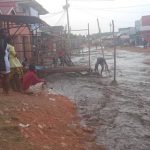
KATAKWI: In an effort to save wetlands from encroachment and restore their splendor after being damaged by rice-growing operations, the Ministry of Water and Environment, in collaboration with the Worldwide Fund for Nature, has launched a second wetland demarcation project in the three sub-counties of Getom, Katakwi, and Palam.
The restoration began on Tuesday, September 10, 2024, starting in Getom Sub-County.
According to Deputy Resident District Commissioner Vincent Savior Okwi, wetland encroachment in Katakwi is approximately 90%, intensifying conflicts between crop and livestock farmers.

Therefore, wetland protection is crucial to prevent degrading activities like rice cultivation from endangering these ecosystems.

However, Okwi warned against disturbing the marked and defined stone areas and threatened to arrest anyone found violating the law.
Moses Odicar, a resident of Katakwi Sub-County, Aliakamer Parish, expressed happiness that the demarcation effort would promote coexistence among livestock farmers and aid in the restoration of wetlands and surrounding ecosystems over the next five years.
David Eilor Kadongo, LCIII of Getom Sub-County in Katakwi District, expressed his gratitude to the Ministry of Water and Environment for their proactive approach to restoring wetlands.
“As leaders, we need time to sensitize locals so they can understand the importance of restoring wetlands,” Eilor said.
In the fight against climate change, Simon Okello, the District Environment Officer for Katakwi, urged locals to respect wetland areas and participate in wetland protection initiatives. Okello highlighted sustainable practices such as fish farming, aquaculture, and growing vegetables like tomatoes and cabbages as ways to preserve wetland areas.
Residents have also been warned by the Worldwide Fund for Nature, the wetland demarcation partner, to protect the wetlands by substituting other activities for rice farming.
Augustin Opolot, the coordinator of the Worldwide Fund for Nature, noted that land delineation would benefit wetlands and make land surveys easier by considering wetland boundaries.
Katakwi District Chairperson Geoffrey Omolo partly attributed the encroachment to political interference, accusing some local leaders of encouraging people to stay in wetlands for political gain.
He emphasized the importance of providing effective and sustainable livelihood alternatives, as many farmers are hesitant to leave the wetlands due to inadequate options.
Omolo highlighted that restoring wetlands would benefit many individuals from different communities. As restoration efforts continue, authorities must act swiftly to protect reclaimed wetlands and prevent further setbacks.
Currently, over 64% of Uganda’s wetlands have been depleted or encroached upon. Despite these challenges, efforts to conserve the wetlands are ongoing. On February 2, 2024, the government officially gazetted all 8,613 wetlands in the country.