
Kabale District has recorded three deaths from Rift Valley Fever (RVF), health officials have revealed,
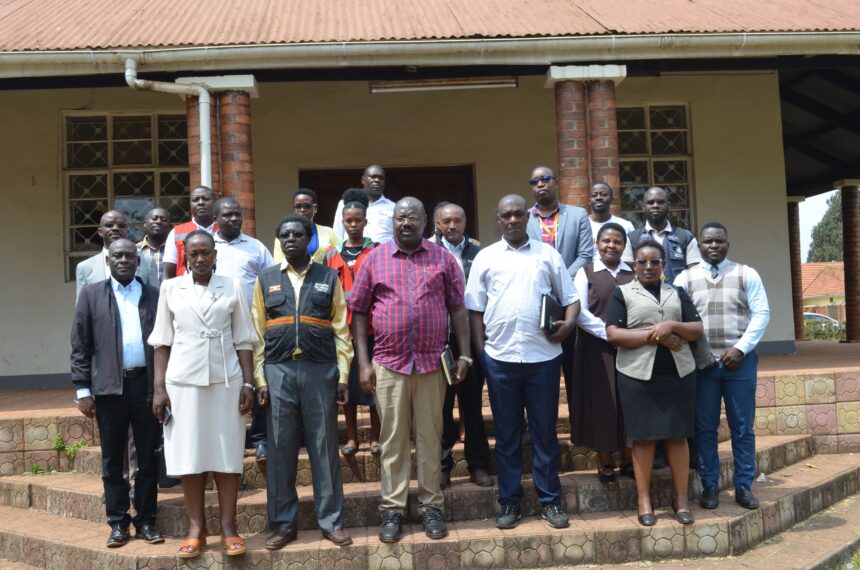
The deaths were disclosed during a meeting of the Kabale District Ebola Taskforce, aimed at intensifying Ebola preparedness and surveillance efforts. During the meeting health authorities confirmed that the district recently registered three laboratory-confirmed cases of Rift Valley Fever. All three patients succumbed to the disease.
Kabale District Health Officer, Dr. Gilbert Mateeka, identified the deceased as a 26-year-old cattle trader who died on 21 May 2026, a 25-year-old identified as T.A. who died on 4 June 2026, and a 50-year-old taxi driver identified as K.S. who died on 18 June 2026.
According to Dr. Mateeka, the cases were reported in Kahungye Sub-county, Kyanamira Sub-county, and Ryakarimira Town Council.
He said the district currently has no active human cases of Rift Valley Fever but warned that continued reports of livestock abortions—a key indicator of the disease in animals—suggest that transmission among livestock may still be ongoing.

Officials from the Ministry of Health attended the taskforce meeting to strengthen Ebola preparedness while integrating Rift Valley Fever surveillance into the district’s public health response.

Godfrey Ekuka, a Public Health Officer in the Ministry of Health’s Department of Integrated Epidemiology, Surveillance and Public Health Emergency, noted that Rift Valley Fever belongs to the family of viral haemorrhagic fevers, alongside Ebola, Marburg and Crimean-Congo Haemorrhagic Fever.
He urged the district to incorporate RVF into its disease surveillance, risk communication and community sensitization programmes to improve early detection and response to all viral haemorrhagic fevers.
Dr. Innocent Ssemanda, an epidemiologist with the World Health Organization (WHO), briefed the taskforce on the regional Ebola situation, noting that Ituri Province in the Democratic Republic of Congo remains the epicentre of the current outbreak.
He said the DRC has so far registered 1,792 confirmed Ebola cases, including 1,631 in Ituri Province, with 625 deaths, representing a case fatality rate of 34.5 percent.
Dr. Ssemanda cautioned that the actual death toll could be higher due to challenges within the DRC’s healthcare system. He also raised concern over reports that some confirmed Ebola patients had escaped from treatment centres, increasing the risk of cross-border transmission into neighbouring countries, including Uganda.
He reminded members of the taskforce that Uganda declared an Ebola outbreak on 15 May 2026, prompting enhanced surveillance, contact tracing and preparedness measures nationwide.
According to the Ministry of Health’s latest situation report, Uganda has so far recorded 20 confirmed Ebola cases, including two deaths and 17 recoveries, leaving one patient still under treatment.
Chairing the meeting, Kabale Resident District Commissioner Maj. Godfrey Katamba said the district taskforce remains a critical platform for coordinating government agencies and development partners in strengthening outbreak preparedness.
He said surveillance, public awareness campaigns and preventive measures would continue to be reinforced to protect the district against Ebola and other emerging public health threats.
Kabale District LCV Chairperson Denis Nzeirwe Ndyomugyenyi pledged to intensify community mobilization and public sensitization efforts, urging surveillance teams to remain vigilant and calling on all stakeholders to work together to prevent the spread of Ebola, Rift Valley Fever and other infectious diseases.