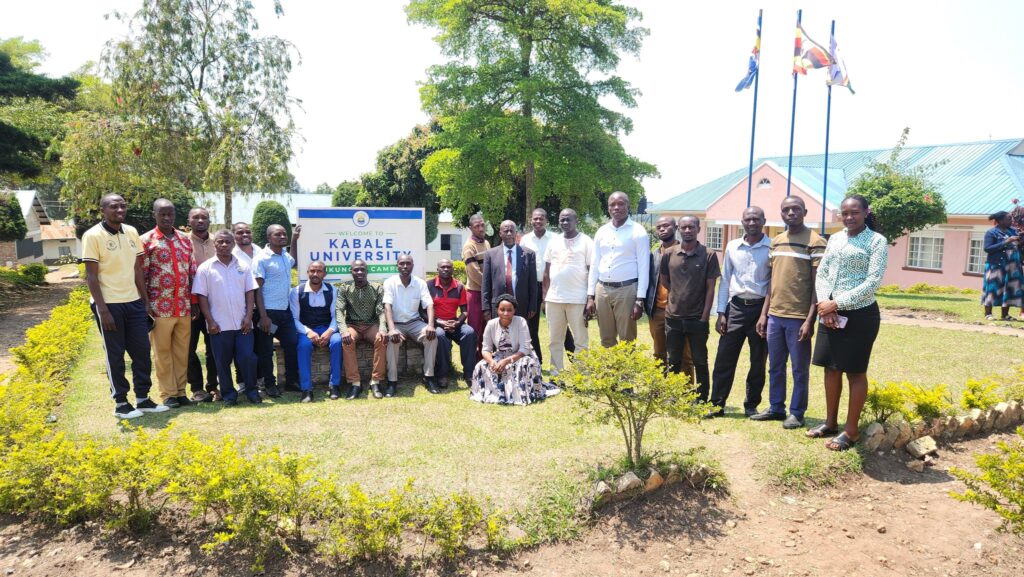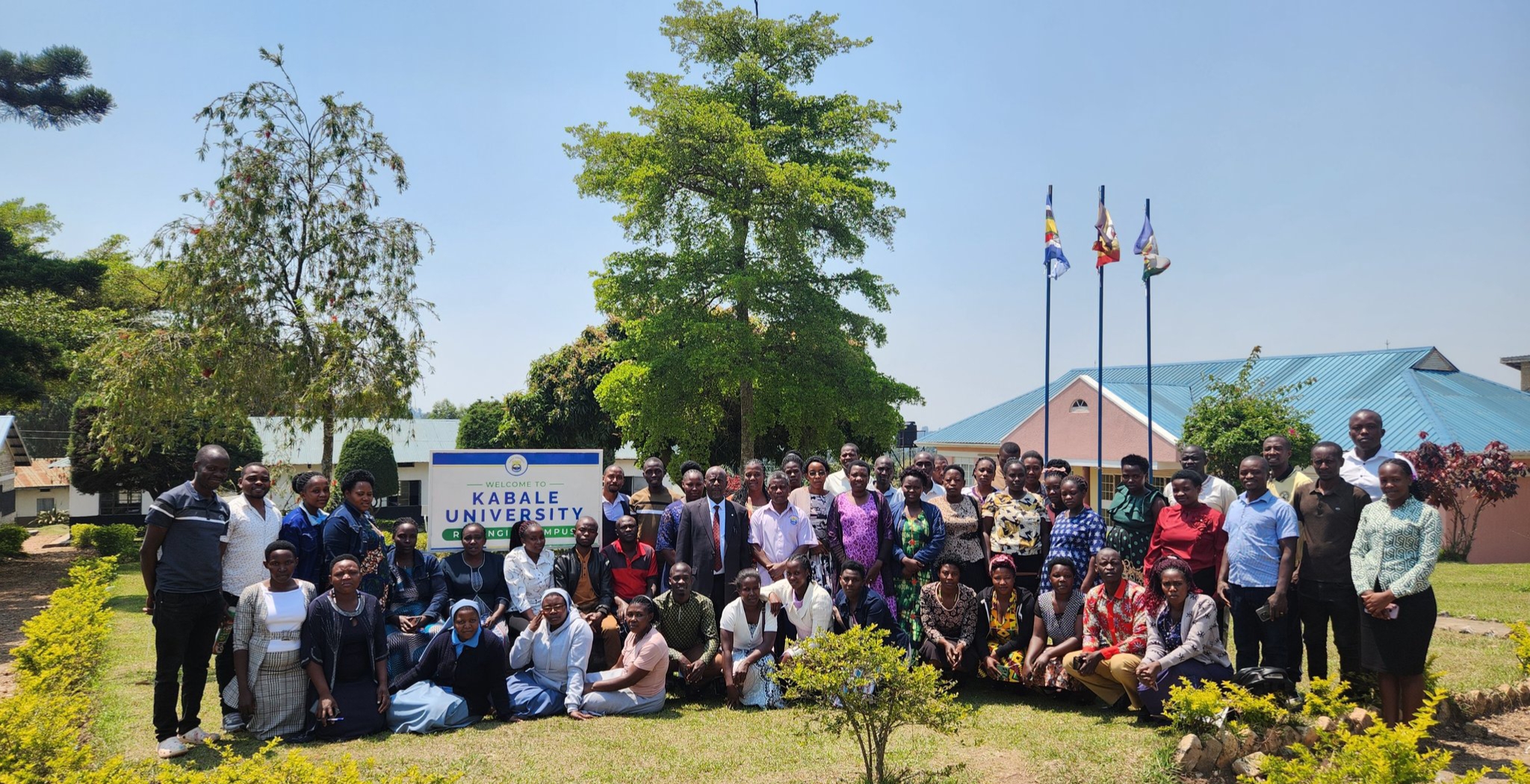

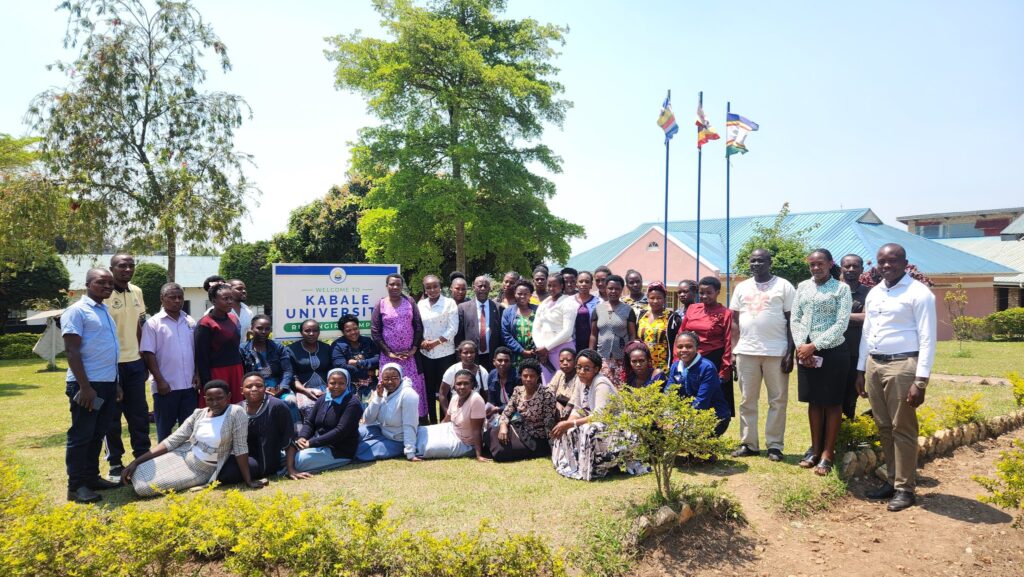
Kabale University has officially registered its first class of pioneer students at the recently opened Rukungiri Campus in Buyanja, marking a significant milestone in the institution’s expansion.
The campus, which was inaugurated on May 28, 2025, by University Chancellor Prof. George Mondo Kangonyera, welcomed its first cohort this week, with the majority enrolled in the Faculty of Education under the recess program.
Deputy Academic Registrar and campus administrator, Can Benon Kwikiriza, described the development as “a moment of historical significance,” noting that the transformation of the former Primary Teacher College (PTC) into a university campus followed extensive consultations with key stakeholders, including the Diocese of North Kigezi, the Ministry of Education and Sports, the Ministry of Public Service, and the National Council for Higher Education.
“We needed to secure the necessary approvals for the conversion, and I am glad that we now have students officially registered for approved programs,” Kwikiriza said.

The pioneer class is undertaking two programs, a Diploma in Primary Education and a Bachelor of Primary Education. Students and staff welcomed the new campus, citing its clean, conducive learning environment and the opportunity to study closer to their families.

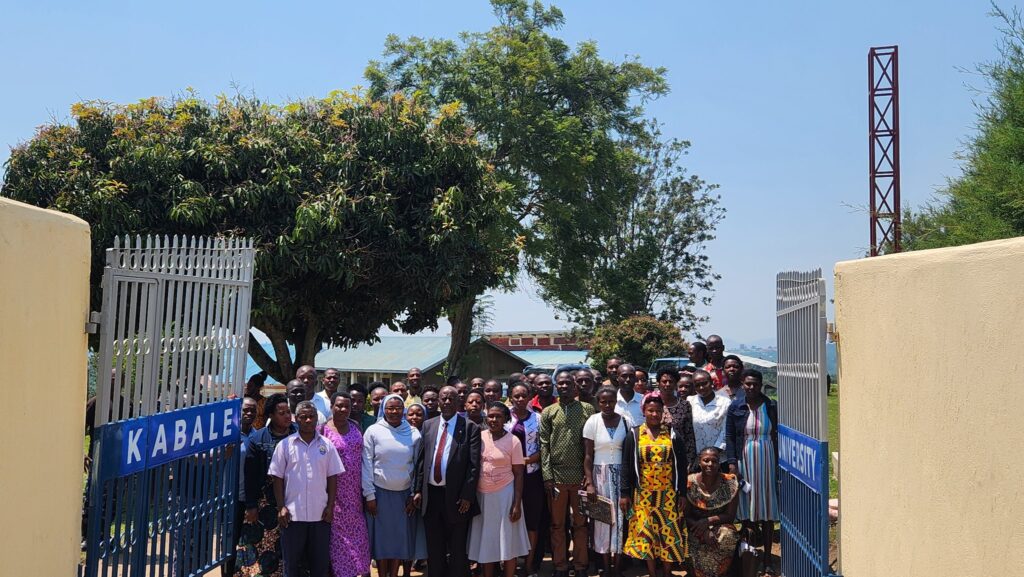
The Rukungiri Campus becomes Kabale University’s fourth branch and is projected to evolve into a center for education, agriculture, and information technology.
The University Principal Communications and Branding Officer, Godfrey Ssempungu says the facility will expand access to higher education in the region and produce graduates equipped to drive local and national socio-economic development.