








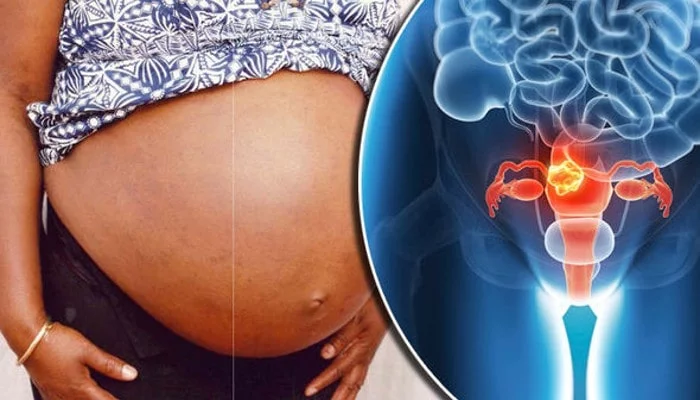

For many women in Uganda, fibroids remain a silent but deeply challenging struggle.
Fibroids are non-cancerous growths made of muscle and fibrous tissue that develop in the uterus. They are very common, and while many women never experience symptoms, others endure heavy or prolonged periods, pelvic pain, frequent urination, or complications during pregnancy.
Doctors say the exact causes of fibroids are not fully known, but genetics, hormones, obesity, and lifestyle factors play a role. They usually grow during a woman’s reproductive years and tend to shrink after menopause.
Fibroids can vary dramatically in size, from as small as a grain of rice to as large as a watermelon. They may grow inside the uterus, within its walls, or outside it.
At just 21, Moreen Ayebare from Bugongi in Northern Division of Kabale Municipality was diagnosed with fibroids. Now 23, she recalls the distress and stigma she faced.

Her symptoms began with heavy bleeding, frequent urination, and constipation. A hospital scan confirmed fibroids. Instead of compassion, some friends told her she would never have children, while others linked her illness to witchcraft.

CUE IN AYEBARE…ON FIBROIDS…RR//
Agatha Nagasha, a resident of Central Cell, also knows the painful journey of fibroids. She experienced bloating, painful sex, and backaches before a hospital checkup revealed the cause.
Initially, Nagasha tried herbal remedies without success. Eventually, she underwent surgery. Her doctor suggested her sedentary lifestyle and high-fat diet, which led to weight gain, may have increased her risk.
CUE IN NAGASHA…ON ISSUE…RR//
Dr. Godfrey Bandoga, a gynecologist at Kabale Regional Referral Hospital, explains that while the causes of fibroids are uncertain, risk factors include family history, hormonal influence, and lifestyle.
“Estrogen promotes fibroid growth, which is why they are more common during the reproductive years,” he says. “Women aged 31 to 50 are most affected, and black women are significantly more likely to develop fibroids compared to white women.”
Dr. Bandoga warns against associating fibroids with witchcraft or relying solely on herbal medicine. He lists potential complications as anemia from heavy bleeding, infertility or pregnancy complications, and urinary problems when fibroids press against the bladder. Still, many women with fibroids can conceive and carry pregnancies successfully.
Although fibroids cannot be completely prevented, Dr. Bandoga advises women to adopt healthier lifestyles.
“You can lower your risk by maintaining a healthy weight, exercising regularly, eating fruits and vegetables, and reducing sugar intake,” he says.
Treatment depends on the severity of symptoms. Options range from medication and hormonal therapy to minimally invasive procedures and surgery. He emphasizes that a balanced lifestyle not only reduces risk but also helps women manage symptoms more effectively.
CUE IN DR BANDOGA…..ON FIBROIDS…..RR//