
Summary:
- Dr. Birungi Mutahunga, the Kanungu District Health Officer, stated that Mpox (Monkeypox) is a public health emergency in several African countries where cases have been reported.
KANUNGU: The Chairman of the Kanungu District Task Force, who also serves as the Resident District Commissioner (RDC), Ambrose Mwesigye, has raised concerns that the increasing number of refugees crossing into Uganda from the Democratic Republic of Congo (DRC) is putting the public at risk of contracting Mpox and Clostridial infections.
RDC Mwesigye urged health officials to handle the situation carefully due to the rising number of diseases crossing the border with the daily influx of refugees.
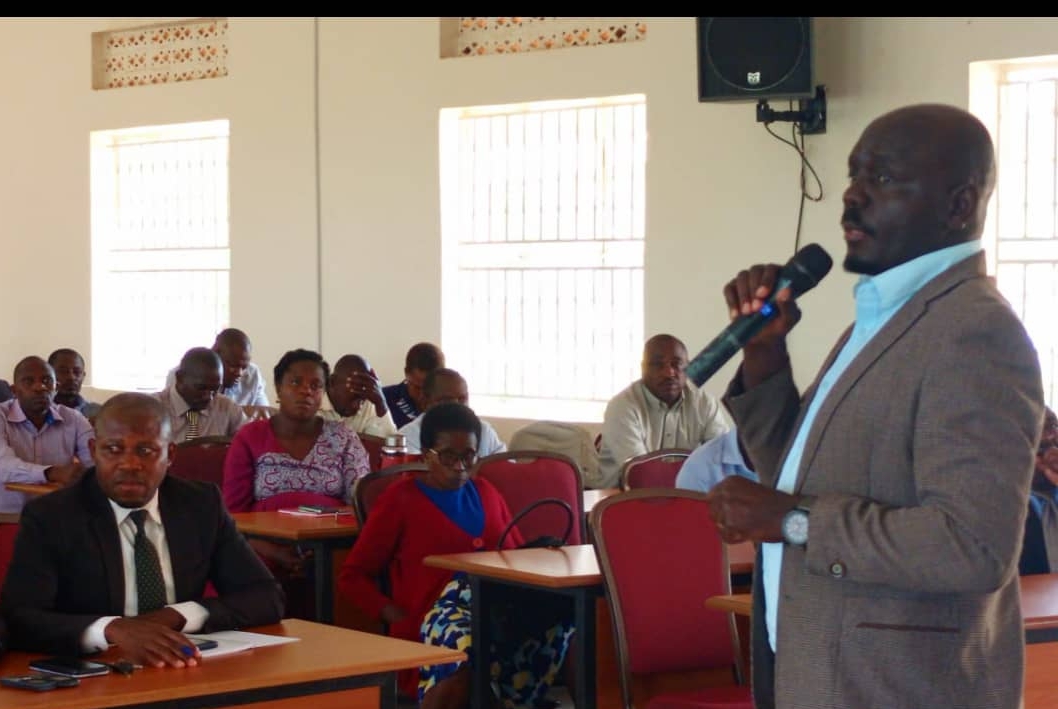
Chairing a District Task Force meeting on Wednesday, he emphasized that the situation poses a significant health risk to the residents of Kanungu.

Dr. Birungi Mutahunga, the Kanungu District Health Officer, stated that Mpox (Monkeypox) is a public health emergency in several African countries where cases have been reported.

He noted that the outbreak has persisted in multiple countries since 2022.
“In the DRC, the outbreak began in September 2023, and cases have been rising, spreading to neighboring countries. As of August 14th, Mpox cases had been reported in Burundi, Kenya, Rwanda, and Uganda, with several more in the DRC. The World Health Organization (WHO) has declared this a Public Health Emergency of International Concern (PHEIC) under the International Health Regulations (2005), the highest level of alarm under the IHR,” Dr. Mutahunga said.
He added that the current infection in the DRC has been identified as clade Ib MPXV, and based on available epidemiological data, cases have been reported in the neighboring district of Kasese, north of Kanungu.
“This situation places Kanungu District and Uganda at large at high risk, necessitating heightened epidemic preparedness and response plans,” he emphasized.
Dr. Mutahunga also reported that the district has increased alertness and surveillance. As of August 22, 2024, Kanungu District registered one alert involving a 32-year-old male who arrived from Bushenyi and settled in Nyamirama Town Council, Kanungu District.
The individual, who had been working in a salon in Bushenyi Town, was identified following the declaration of the Mpox epidemic in Uganda by the Ministry of Health on August 2, 2024.
The Task Force meeting resolved to strengthen stakeholder coordination in Mpox preparedness, enhance infection prevention and control measures, and increase community awareness of Mpox prevention in Kanungu District.
The plans also include supporting health workers in managing suspected and confirmed Mpox cases and providing mental health and psychosocial support services to affected individuals, families, and communities.
The Task Force also agreed to strengthen surveillance systems for Mpox and administer vaccinations to high-risk populations in Kanungu District by October 2024.
Dr. Aloysius Tumwesigye, the District Veterinary Officer, expressed concerns about Clostridial infections in Greater Kambuga (Ihunga Farm) and surrounding areas. He reported a significant loss of cattle and noted that samples collected had been confirmed positive at the National Animal Diseases Diagnostics and Epidemiological Centre (NADDEC) in Entebbe.
“Out of five samples, three tested positive. Vaccination of all cattle in the affected area is ongoing, using vaccines obtained from ERAM (U) Ltd. The vaccination should be repeated after four weeks,” Dr. Tumwesigye stated.
He urged the public to avoid slaughtering and consuming dead animals, present their cattle for vaccination (at a cost), restrict cattle movement in Greater Kambuga, and promptly report any suspected cases to combat the spread of the infection.