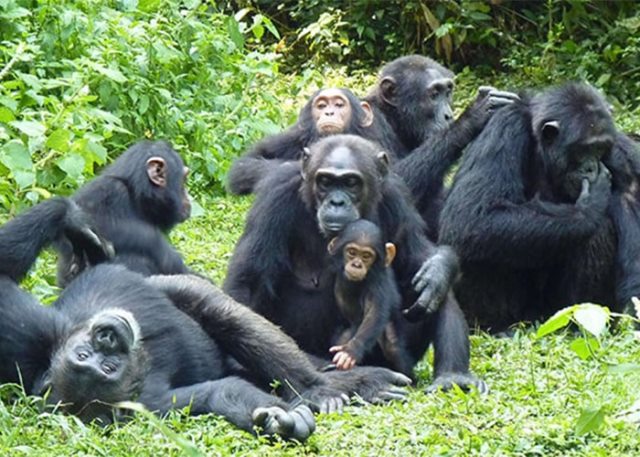

The first-ever chimpanzee census in Bwindi Impenetrable National Park has officially concluded, one month after its launch.
The month-long survey was carried out by teams of data collectors and rangers from the Uganda Wildlife Authority (UWA), with support from the Jane Goodall Institute. The key objectives were to determine the chimpanzee population, map their distribution, assess habitat conditions, and identify major threats to their conservation within the park.
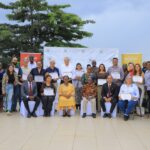
Speaking at the closing ceremony held at Rushaga Gorilla Camp in Rubuguri Town Council, Kisoro District, James Byamukama, Executive Director of the Jane Goodall Institute, confirmed the presence of chimpanzees in the park, putting an end to years of speculation.
CUE IN BYAMUKAMA……..ON CENSUS…….RR/ENG//
Michael Jurua, Conservation Science Manager at the Jane Goodall Institute and leader of the field teams, highlighted several logistical challenges encountered during the census. These included unpredictable rainfall, rugged terrain, and limited telecommunication access, all of which made the work more demanding.

CUE IN JURUA……..ON CHALLENGES……..ENG//

Representing the UWA Executive Director, Dr. James Musinguzi, Chief Warden of the Bwindi-Mgahinga Conservation Area, Nelson Guma, noted that the census findings will guide UWA’s future conservation strategies. These may include the potential habituation of chimpanzees and initiatives to address human-wildlife conflict.
Veteran data collector Geresom Muhumuza, who has participated in four previous chimpanzee censuses, said the Bwindi survey provided valuable experience in using digital tools for scientific wildlife research.
A team of experts will now analyze the data before the official results are released. Bwindi Impenetrable National Park is already internationally recognized for its mountain gorilla trekking.
The introduction of chimpanzee tracking, pending successful habituation, could further enhance the park’s appeal and tourism potential.