




The Lira High Court Circuit has raised serious concerns about persistent challenges undermining the effective administration of justice in Northern Uganda, including poor police investigations, mismanagement of juvenile cases, and inadequate court infrastructure.
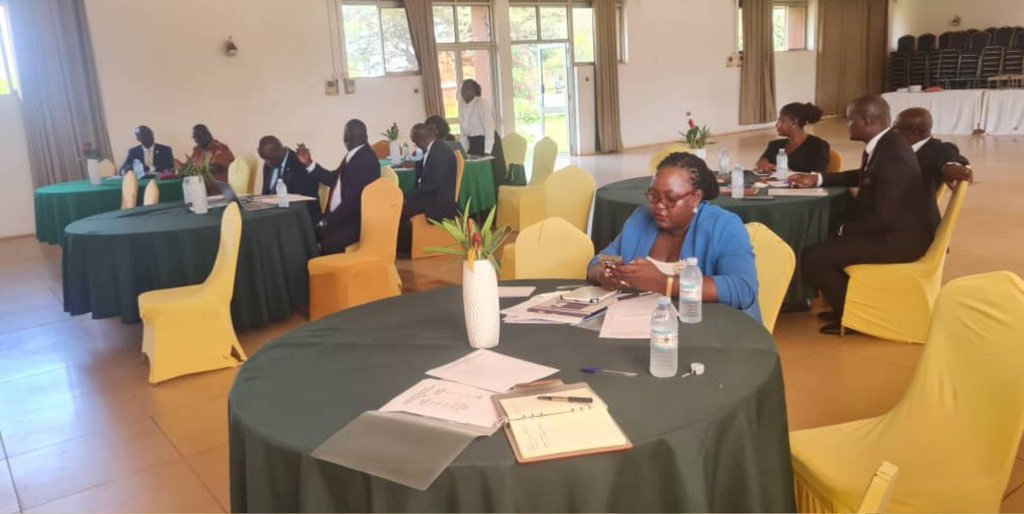
These issues dominated discussions during a Regional Coordination Committee (RCC) meeting held by the Lira High Court Circuit to strengthen collaboration among justice sector institutions.
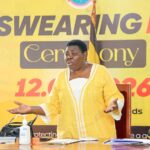
The meeting was co-chaired by the Head of Circuit, Lady Justice Margaret Apiny, and Resident Judge Lady Justice Sarah Birungi Kalibaala, bringing together officials from the Judiciary, Office of the Director of Public Prosecutions (ODPP), Attorney General’s Office, Uganda Police Force, Uganda Prisons Service, Uganda Law Society, and local government leaders.
While commending the progress made through plea bargaining and criminal sessions, Lady Justice Apiny expressed concern over recurring errors in case management.
She revealed that during recent plea bargain exercises, some juveniles had been wrongly charged as adults and that medical examinations were not properly conducted.

“These are serious lapses that must be corrected,” she emphasized, calling on law enforcement and medical officers to exercise due diligence when handling minors.

Echoing similar concerns, Lady Justice Kalibaala noted that poor-quality investigations continue to frustrate the prosecution of criminal cases.
“In several cases before court, the investigations are so poorly conducted that they cannot sustain charges,” she said, urging the Police to improve evidence collection and documentation to ensure credible prosecutions.
The Chief Magistrate of Lira/Alebtong, HW Joe Fay Adoko, revealed that the court is currently overwhelmed with over 1,200 pending cases, a situation worsened by infrastructural limitations.
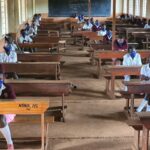
The stalled construction of the Alebtong Court building has forced judicial officers to operate from district premises, while the lack of basic furniture further hampers service delivery.
Despite these challenges, Justice Apiny highlighted progress made under the Judiciary’s access-to-justice agenda, including the holding of two plea bargain camps and three High Court criminal sessions in 2025.
She also announced the gazetting of two new High Court circuits, Apac and Patongo, which she said will expand judicial reach in the Northern Region.
The meeting also reflected strong inter-agency collaboration. Representatives from the ODPP, Uganda Prisons Service, and Uganda Law Society all commended the Judiciary’s leadership for promoting dialogue through RCC meetings.
The ODPP representative pledged continued partnership but appealed for timely communication about upcoming sessions and better facilitation of witnesses.
The Regional Prisons Commander credited the Judiciary’s plea bargaining initiatives for helping reduce prison congestion and “restore hope among inmates awaiting trial.”
Similarly, the Probation Officer applauded the High Court’s commitment to fast-tracking juvenile cases, noting improved attention to children in conflict with the law.
Deputy Registrar HW Godfrey Kaweesa, who moderated the meeting, emphasized that the RCC initiative provides a crucial platform for joint problem-solving across justice institutions.
“It is only through coordination that we can address the systemic barriers to justice delivery,” he remarked.
As the Judiciary expands its footprint in the North, stakeholders agreed that sustainable progress will depend on improving investigations, strengthening juvenile justice systems, and investing in court infrastructure to match the growing demand for judicial services.