




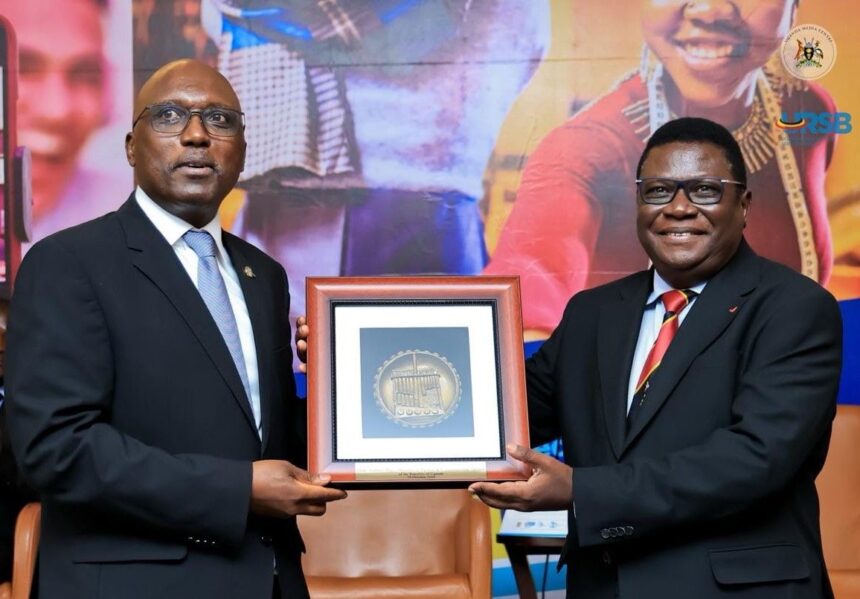

The Minister of Justice and Constitutional Affairs, Norbert Mao, has challenged African intellectual property experts and institutions to ensure that the continent’s creativity is recognized, protected and fairly rewarded, saying intellectual property should contribute directly to economic transformation and sustainable development.
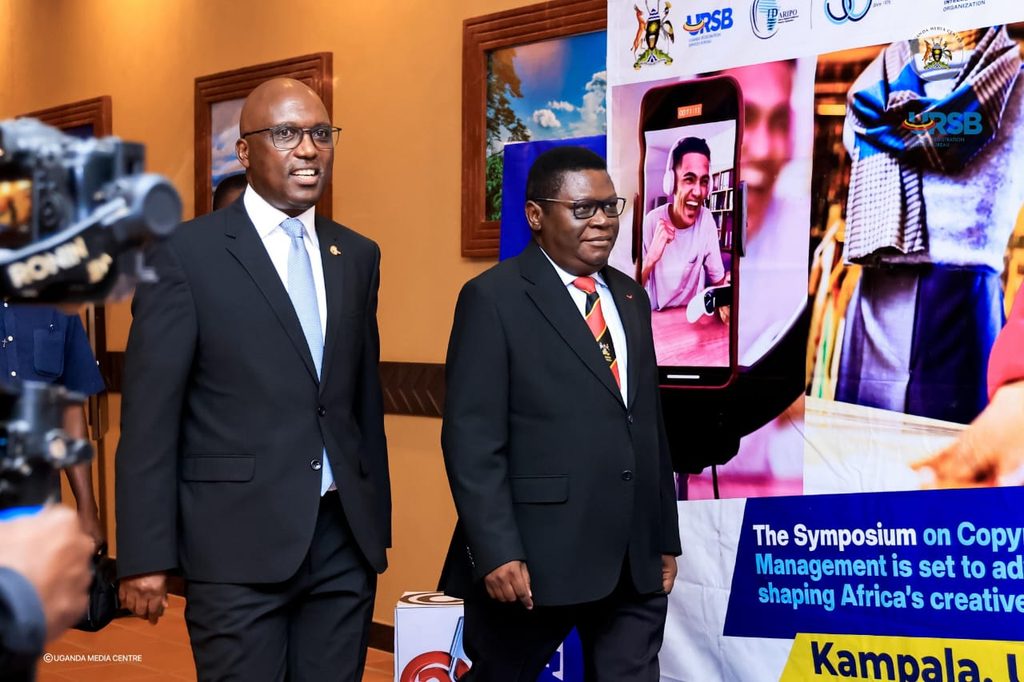
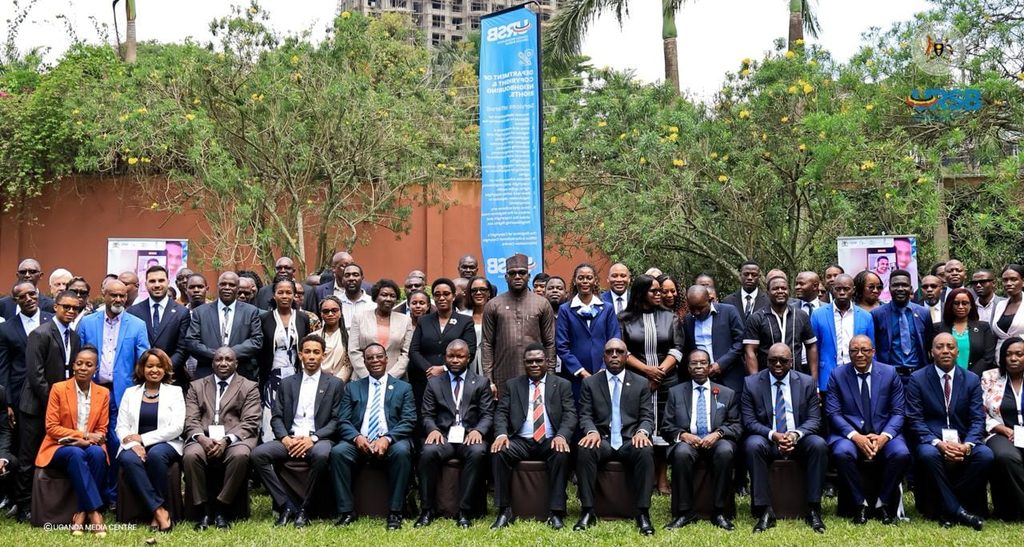
Mao made the remarks on Monday while officiating at the opening of the seventh Symposium on Copyright and Related Rights Management at Speke Resort Munyonyo in Kampala.
He called for reforms to the global intellectual property system to enable African creators and communities to earn meaningful returns from their works, cultural heritage and innovations.
“Africa has never lacked creativity. Our responsibility is to help ensure that creativity is recognized, protected, managed and fairly rewarded,” Mao said.
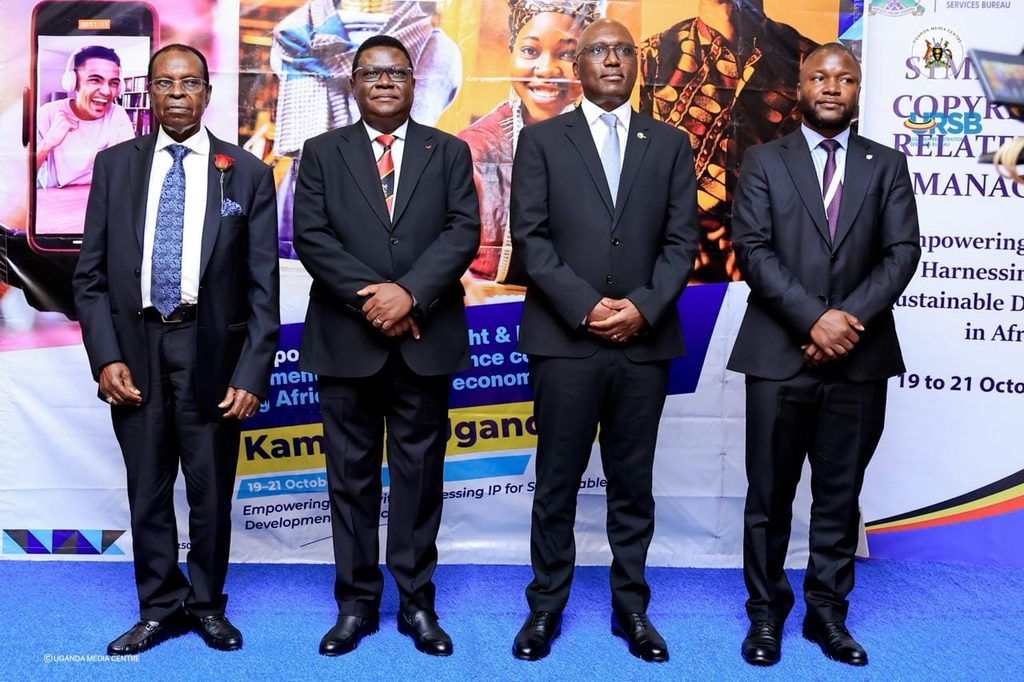
The three-day symposium, organized by the African Regional Intellectual Property Organization (ARIPO) in collaboration with the World Intellectual Property Organization (WIPO) and the Uganda Registration Services Bureau (URSB), is being held under the theme “Empowering Creativity: Harnessing IP for Sustainable Development in Africa.”

Mao urged participants to look beyond the technical administration of copyright and recognize its role in reducing economic inequality, supporting African businesses and strengthening the continent’s position in the global knowledge economy.

He cited shea butter production in Ghana and northern Uganda as an example of how local raw materials can be transformed into high-value cosmetic products for international markets.
The minister also questioned whether the Maasai communities whose cultural imagery is used in commercial advertising receive a fair share of the resulting economic benefits.
He said Africa must develop systems that protect the rights of creators and ensure that communities benefit from the commercial use of their cultural and intellectual assets.
Copyright should improve livelihoods
Mao said intellectual property should not be treated as an end in itself but as a tool for improving livelihoods, supporting enterprise and promoting development.
He compared the value of raw materials with the higher returns that can be generated through innovation, specialized knowledge and processing, arguing that the same principle applies to music, paintings, designs and cultural expressions.
The minister cited Ugandan musician Daniel Kazibwe, popularly known as Raga Dee, to illustrate the challenges artists face in earning from their work.
He said musicians and other creative professionals have historically struggled to receive adequate remuneration when their works are played in bars, on radio and television, and through other commercial platforms.
The Covid-19 pandemic exposed the vulnerability of creative professionals when restrictions on public gatherings cut off performance income even as recorded music continued to circulate, Mao said.
He called for practical systems to track the use of copyrighted works and ensure transparent collection and distribution of royalties.
Mao highlighted Uganda’s efforts to develop a copyright monitoring system that can identify music played in establishments such as bars and hotels, helping determine the royalties due to musicians.
He expressed hope that the system could eventually serve as a model for other African countries.
The minister also warned that digital technology had made it easier to reproduce and distribute copyrighted works across borders, increasing the need for effective enforcement, responsive institutions and accessible dispute-resolution mechanisms.
He said the Ministry of Justice and Constitutional Affairs would continue supporting stronger legal and institutional frameworks for intellectual property protection, including alternative dispute resolution to help resolve disputes more efficiently.
Africa urged to strengthen its global voice
Mao called for greater regional cooperation to ensure that African countries have a stronger influence on decisions made within the international intellectual property system.
Reflecting on his engagement with WIPO in Geneva, he said African representation in international forums should translate into meaningful participation in decision-making.
“It is not enough to have a seat at the table. Do you have a voice in that room where you have been given a seat? But even having a voice is not enough. Is that voice being heard?” he asked.
He urged African countries to move beyond being predominantly consumers of intellectual property and become stronger creators, owners and exporters of knowledge-based products and services.
Mao also encouraged government officials and intellectual property experts to appreciate how their individual responsibilities contribute to the broader development agenda.
Using an analogy of workers at a construction site, he explained that while one worker might believe he is merely transporting sand, another understands that he is contributing to the construction of a cathedral.
He challenged participants to adopt a similar perspective, noting that registering creative works, strengthening laws, improving rights management and enforcing copyright all contribute to securing Africa’s place in the global intellectual property economy.
“You are here because there is a cause,” Mao said, urging delegates to remain committed to building a fairer system for African creators and innovators.
Regional cooperation in focus
Mao commended ARIPO, WIPO, URSB and other stakeholders for advancing intellectual property protection and administration across Africa.
He noted that Kampala holds a significant place in the continent’s intellectual property journey, having hosted the diplomatic conference at which the Kampala Protocol on Voluntary Registration of Copyright and Related Rights was adopted in August 2021.
He reaffirmed Uganda’s commitment to working with regional and international partners to strengthen copyright protection, improve rights management and increase the economic value of African creativity.
Mao urged delegates to develop practical recommendations addressing the challenges faced by creators, particularly in royalty collection, enforcement and cross-border cooperation.
He also called on participants to engage government institutions and hold them accountable for fulfilling their responsibilities to the public.
“Uganda remains committed to working with ARIPO and all the stakeholders like WIPO,” he said.
He subsequently declared the symposium open, expressing hope that its deliberations would produce practical measures to improve copyright administration and ensure that African creativity contributes more directly to sustainable development.
ARIPO, URSB pledge support for creators
ARIPO Director General Bemanya Twebaze called for copyright management systems that enable creators to identify and manage their rights, license their works on fair terms and receive transparent and equitable remuneration.
He said copyright was more than a legal concept, describing it as part of the economic infrastructure that enables creative individuals and businesses to earn a living from their work.
Twebaze highlighted the need for reliable information on creative works and their owners, accountable collective management organizations, transparent royalty collection and distribution, and stronger cooperation among governments, rights holders and digital platforms.
He also welcomed Uganda’s strengthening of its national copyright framework through the Copyright and Neighbouring Rights Amendment Act, 2026, and encouraged ARIPO member states to advance the Kampala Protocol and deepen regional cooperation.
Twebaze said ARIPO’s Golden Jubilee offered an opportunity to celebrate five decades of regional cooperation while shaping the next phase of intellectual property development in Africa.
Earlier, URSB Acting Registrar General Mustapha Ntale welcomed delegates to Uganda and outlined the bureau’s efforts to improve copyright administration.
He said URSB established a dedicated department for copyright and neighboring rights in April 2025 as part of efforts to strengthen the protection and management of creative works.
Ntale also highlighted initiatives to automate registration services, strengthen enforcement in collaboration with the Uganda Police Force and develop systems to monitor music usage and facilitate appropriate remuneration for creators.
He commended the government, the Ministry of Justice and Constitutional Affairs, ARIPO and WIPO for supporting intellectual property protection and administration.
The symposium has brought together intellectual property experts, heads of copyright offices, collective management organization’s, government representatives and other stakeholders from ARIPO member states to exchange experiences and develop practical approaches to improving copyright and related rights management.
As ARIPO approaches its Golden Jubilee, the discussions are expected to strengthen regional cooperation and promote systems that enable Africa’s creative talent to generate greater economic and social benefits for its people.