
Parliament on Thursday approved the National Budget Framework Paper (NBFP) for the Financial Years 2026/27 to 2030/31, setting the stage for Uganda’s medium-term economic priorities following an extensive debate on the report of the Committee on Budget.
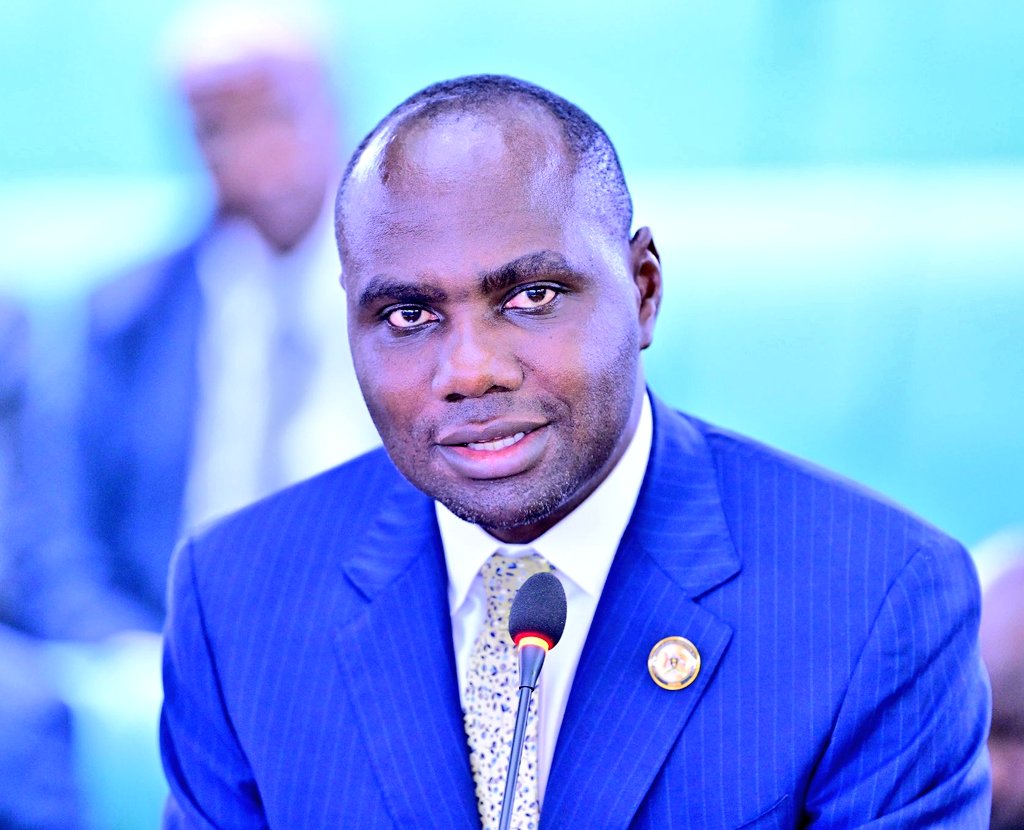
Presenting Government’s strategic direction, the Minister of State for General Duties, Henry Musasizi, said the Budget Framework Paper aligns with Uganda’s long-term ambition of achieving tenfold economic growth, with a target of expanding the economy to USD 500 billion by 2040.
Musasizi noted that Government will focus on priority sectors under the ATMS and Enablers framework, alongside strengthening export growth, as key drivers for accelerated socio-economic transformation. He added that the economy is projected to grow between 6.5 and 7 per cent in the next financial year.
In line with the Public Finance Management Act (PFMA) Cap 171, the minister assured Parliament of the Ministry of Finance’s full support to ensure that the FY 2026/27 budget is processed by the end of April 2026, ahead of the inauguration of the 12th Parliament.
Looking ahead, Government will place special emphasis on improving public financial management and accountability. Key priorities include stamping out budget practices that encourage corruption, closing expenditure leakages—particularly in transfers to schools, health centres and the payroll—and strengthening internal controls and audit systems.

Government also plans to improve cash management and sovereign credit ratings, diversify sources of development finance through innovative financing options, complete public procurement reforms, and enhance the management and maintenance of public assets.

Other focus areas include increasing domestic revenue mobilization, strengthening governance and supervision of state-owned enterprises, improving project execution and absorption of borrowed funds, and boosting the capacity of the Uganda Bureau of Standards to support product certification for both export and domestic markets.
Additionally, Government will work towards improving performance management in the public service, strengthening coordination across Government, and addressing domestic arrears.
A clear strategy is already in place to eliminate the current stock of domestic arrears within three financial years starting FY 2025/26, while preventing the accumulation of new ones.
The approval of the Budget Framework Paper marks a critical step in aligning national planning, budgeting, and policy implementation towards sustained economic growth and transformation.