
KIGALI: April 6, 1994, marks one of the darkest chapters in modern African history. That night, a plane carrying Rwandan President Juvénal Habyarimana and Burundian President Cyprien Ntaryamira was shot down over the Rwandan capital, igniting genocide and a regional crisis whose effects still reverberate throughout the Great Lakes region.
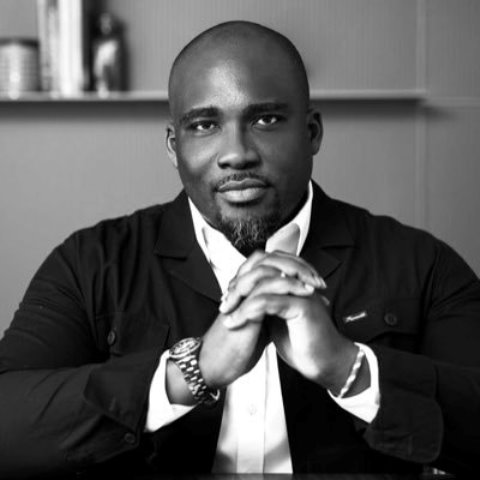
Now, 31 years later, Jean-Luc Habyarimana, the son of the late Rwandan president, has broken his silence in a powerful and deeply personal reflection part remembrance, part indictment, and part call to action.
“I was only 18 when I lost my father,” he writes. “Our little sister was 14. We saw the unimaginable. And today, as a father myself, I understand the weight of that moment his final thoughts, no doubt, were of his children, his people, his Rwanda.”
In his statement, Jean-Luc Habyarimana accuses current Rwandan President Paul Kagame and the Rwandan Patriotic Front (RPF) of orchestrating the attack a claim that Kagame’s administration and its Western allies have long denied.
He further alleges that the international community has shielded those responsible from justice.

“The facts are known. Rwandans know. Congolese know. Burundians know. Even Western chancelleries know,” he asserts.

The downing of the presidential plane, reportedly by surface-to-air missiles, has remained shrouded in mystery and political silence for decades.
Its immediate aftermath triggered the 1994 Genocide against the Tutsi, in which more than 800,000 people were killed within 100 days.
Yet critics argue that the post-genocide Rwandan government has maintained tight control over the national narrative, leaving little room for alternative perspectives or collective mourning.
“This month of April,” the statement continues, “must cease being a propaganda tool and become a time of shared remembrance. This memorial apartheid must end.”
Jean-Luc Habyarimana calls for international accountability, a renewed commitment to regional justice, and the revival of the vision his father once held a sovereign, reconciled, and peaceful Rwanda.
“April 6 belongs to all of us, not just those who monopolize grief to hide their own crimes,” he writes. “The silence must end. A new generation must raise one that refuses to negotiate its memory or its dignity.”
He concludes with a tribute to the millions of victims not only in Rwanda, but also in the Democratic Republic of Congo and Burundi whose suffering, he argues, has yet to be fully acknowledged in the official record.
In 2014, the United Nations and the African Union designated April 7 as the International Day of Reflection on the 1994 Genocide against the Tutsi.