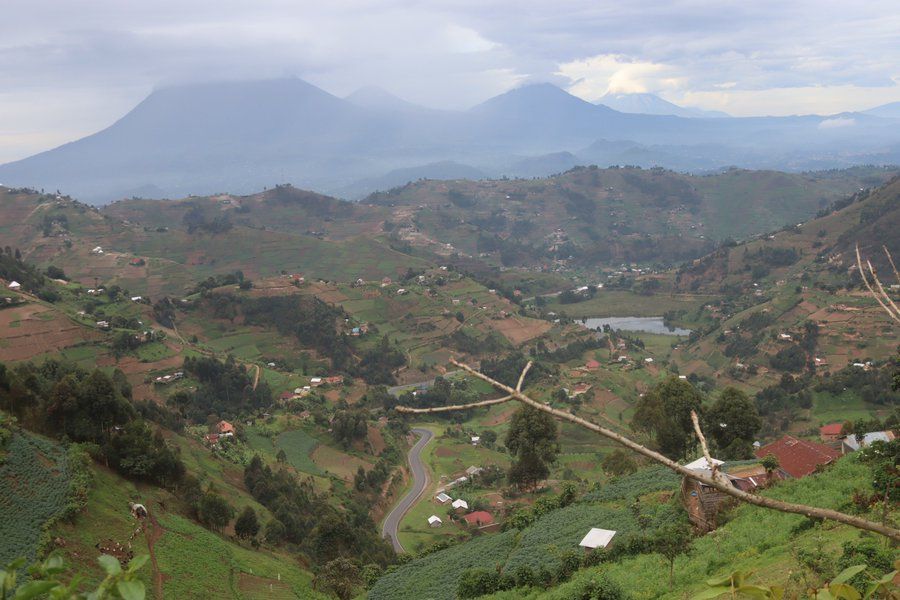

The Ministry of Water and Environment has revealed that the Kigezi sub-region is likely to experience occasional, isolated rainfall, even as much of the rest of the country remains largely hot and dry. This is contained in the national weather update for February 19–28, 2026.
According to Dr. Alfred Okot Okidi, Permanent Secretary at the Ministry, the rainfall currently being observed in several parts of the country is expected to continue and gradually spread to most regions, with a slight reduction toward the end of February.
Dr. Okidi noted that by late February, enhanced rainfall is expected over the Kigezi sub-region, parts of the Central and Eastern regions, particularly the Elgon areas, as well as districts around the Lake Victoria Basin.
“The rest of the country, including much of Western, Northern, and parts of Eastern and Central Uganda, is expected to experience a slight relaxation of the current rainy conditions,” he said.
He added that while Western, Central, and parts of Eastern Uganda, especially the Elgon region and areas surrounding Lake Victoria, are likely to receive increased rainfall, Northern and some Eastern districts may experience moderate, isolated showers during the same period.

Across Uganda, February is typically characterized by hot, dry, and sunny conditions, marking the tail end of the December to February dry season. However, current conditions show heavy showers in the Central region, particularly around the Lake Victoria Basin, and in Southwestern Uganda, with other areas receiving isolated rainfall.

The Ministry attributed the ongoing rains to a strong Madden–Julian Oscillation (MJO), a tropical weather system marked by an eastward-moving pulse of clouds and rainfall. The MJO is currently in a phase that enhances rainfall over Uganda and has remained relatively stationary over the region, resulting in sustained precipitation.
Additionally, high-pressure systems over southern Africa, the St. Helena High and the Mascarene High, have pushed the rain belt northwards from the southern hemisphere toward Uganda. This shift has further contributed to the ongoing rainfall, which is expected to ease gradually toward the end of the month.