









As men cross the age of 50, their philosophy of marriage often changes. At this stage of life, many are no longer in the trial-and-error phase of building their careers, families and identities. They may begin to look at marriage through the lenses of love, companionship and value addition.
This raises a critical question for anyone seeking to partner with a man at this stage of life: If he is ready to offer love and companionship, what value are you prepared to bring into his life?
From my perspective as a scholar of organisational leadership, a man at 50 can be compared to an established organisation. He has accumulated experiences, relationships, responsibilities and, in many cases, a legacy he wants to protect and develop.
He may therefore not necessarily be looking for someone to struggle through the early stages of building with him, but rather a partner who can contribute to peace, wellbeing, growth and the preservation of what he has built.
God’s plan for marriage
Before discussing value, however, we must return to the biblical foundation of marriage. For Christians, marriage cannot be separated from the principles upon which God established it.

1. Companionship
Genesis 2:18 says: “It is not good for the man to be alone. I will make a helper suitable for him.”

Marriage, therefore, was conceived as companionship. It was not intended to create loneliness or unnecessary conflict, but to provide a relationship in which two people support one another.
2. Covenant, not merely a contract
Malachi 2:14 describes a wife as a partner in the marriage covenant.
At 50 and beyond, many people have accumulated enough life experience to appreciate that marriage is more than romance or convenience. It is a commitment that requires loyalty, responsibility and mutual understanding.
3. Fruitfulness and stewardship
Genesis 1:28 calls people to be fruitful, multiply, fill the earth and exercise stewardship.
At 50+, fruitfulness need not be understood only in terms of having children. It can also mean producing wisdom, mentoring others, strengthening families, serving communities and leaving behind a meaningful legacy.
4. Lifelong oneness
Genesis 2:24 teaches that a man leaves his father and mother, is united with his wife, and the two become one flesh.
This points to the depth of partnership that marriage requires.
The New Testament perspective
The New Testament also places strong emphasis on love, sacrifice, honour and partnership within marriage.
Ephesians 5:25 instructs husbands to love their wives as Christ loved the Church, while Ephesians 5:22 addresses wives’ submission to their husbands.
These passages, in my view, should be understood within the broader biblical call to mutual responsibility, love and service rather than as a licence for domination or abuse.
Matthew 19:6 further emphasises the seriousness of marriage: “So they are no longer two, but one flesh. Therefore what God has joined together, let no one separate.”
Hebrews 13:4 similarly calls on believers to honour marriage and maintain purity within it.
For a Christian entering marriage at 50 or beyond, therefore, marriage can be understood as more than companionship. It can become a partnership through which two people pursue a shared purpose.
What value can a woman bring?
For a woman entering a relationship with a man aged 50 or older, value addition should not be reduced to money, domestic work or physical appearance.
It can mean bringing qualities that strengthen the relationship and contribute to a healthy and purposeful life together.
1. Emotional sanctuary and peace
One of the most valuable things partners can offer each other is peace.
Life at 50 can come with professional responsibilities, family obligations, financial decisions, health concerns and other pressures. A healthy relationship should provide emotional safety rather than become another source of unnecessary conflict.
Proverbs 14:1 says: “The wise woman builds her house.”
A partner can therefore contribute by encouraging open communication, emotional stability, appreciation and mutual respect.
2. Supporting health and longevity
At this stage of life, health becomes increasingly important.
Partners can encourage each other to eat well, remain physically active, attend medical check-ups and maintain healthy routines. Supporting one another’s physical and mental wellbeing can strengthen the quality of life enjoyed together.
The biblical reminder in 1 Corinthians 6:19-20 that the body is a temple of the Holy Spirit reinforces the importance of responsible stewardship of one’s health.
In organisational leadership, I would describe this as sustainable performance: a relationship should help both partners remain productive, healthy and purposeful.
3. Intellectual and social growth
A meaningful partner should not simply agree with everything the other person says.
Marriage can provide an environment where two people challenge, sharpen and complement one another intellectually.
Proverbs 27:17 says: “As iron sharpens iron, so one person sharpens another.”
A woman can therefore bring her own ideas, perspectives, skills and experiences into the relationship while also contributing to a vibrant social life.
4. Legacy and family cohesion
At 50+, many people already have adult children, extended families, professional networks and other relationships that cannot simply be ignored when entering a new marriage.
A mature partner should understand that family relationships require patience, respect and sensitivity.
Rather than competing with adult children or extended family members, a spouse can contribute to harmony and help create an environment where relationships are strengthened.
The story of Ruth and Naomi offers an example of loyalty and commitment across generations.
Legacy can also involve supporting charitable work, mentoring younger people, managing family responsibilities and ensuring that the values built over a lifetime are passed on.
5. Adventure and new horizons
Growing older should not mean that life becomes dull.
Partners can introduce each other to new hobbies, travel, cultural experiences, friendships and opportunities for personal development.
Psalm 92:14 says: “They will still bear fruit in old age, they will stay fresh and green.”
At 50+, there can still be room for discovery, creativity and personal fulfilment.
Importantly, however, each partner should have a sense of purpose. Your spouse should not be expected to become your sole source of happiness.
Love is important, but purpose matters too
At 20, people may be attracted to potential. At 30, circumstances and responsibilities may influence the way people approach marriage. At 50 and beyond, priorities can change again.
For many, peace, companionship, purpose and shared values become increasingly important.
A man who has spent decades building his career, family and reputation may not simply be looking for someone to occupy his house. He may want a partner who can help transform a house into a home, wealth into wellbeing, and experience into a lasting legacy.
But the same principle applies to men.
A woman at 50+ is also entitled to ask: What value will this man bring into my life?
Value addition in marriage must therefore be mutual. It should not become a demand placed on women alone.
The biblical model is one of covenant, love, companionship, sacrifice and mutual honour.
Marriage is not compulsory
There is another important point that should not be overlooked: marriage is not a requirement for everyone.
The Apostle Paul, who remained unmarried, acknowledged singleness as a legitimate and valuable way of life.
In 1 Corinthians 7:7, he writes: “I wish that all of you were as I am. But each of you has your own gift from God; one has this gift, another has that.”
He also writes in 1 Corinthians 7:8: “It is good for them to stay unmarried, as I do.”
Paul’s message provides an important balance. Marriage is a good and honourable institution, but singleness can also be lived with purpose.
Therefore, no one should enter marriage simply because of social pressure, fear of loneliness or the belief that age demands it.
Marriage should be entered because two people believe they can pursue their purpose better together.
If God gives someone a partner who brings love, peace, companionship and shared purpose, that covenant should be honoured.
If someone is called to serve God, family or society while remaining single, that life should also be embraced with dignity and purpose.
Ultimately, at 50 and beyond, the most important question is not simply, “Are you married?”
It is: “Are you fulfilling the purpose for which you were created?”
Love remains important. Value matters. Companionship matters. Peace matters.
But beyond all these is purpose.
At 50+, therefore, value rooted in God’s plan may become an important language of love — but purpose is greater than both.
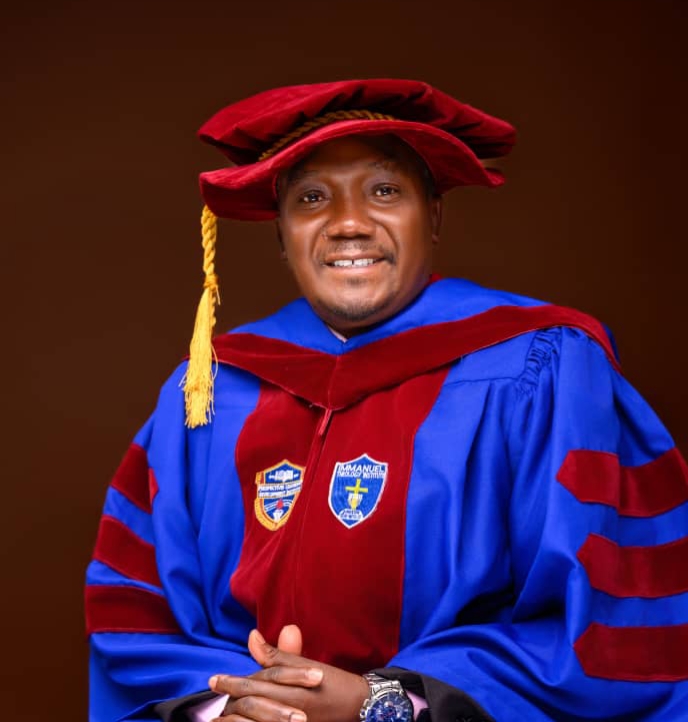
The Writer Dr Ahimbisibwe Gad A. Rugaju, PhD (Organizational Leadership, USA) is the Deputy RDC for Kanungu District.