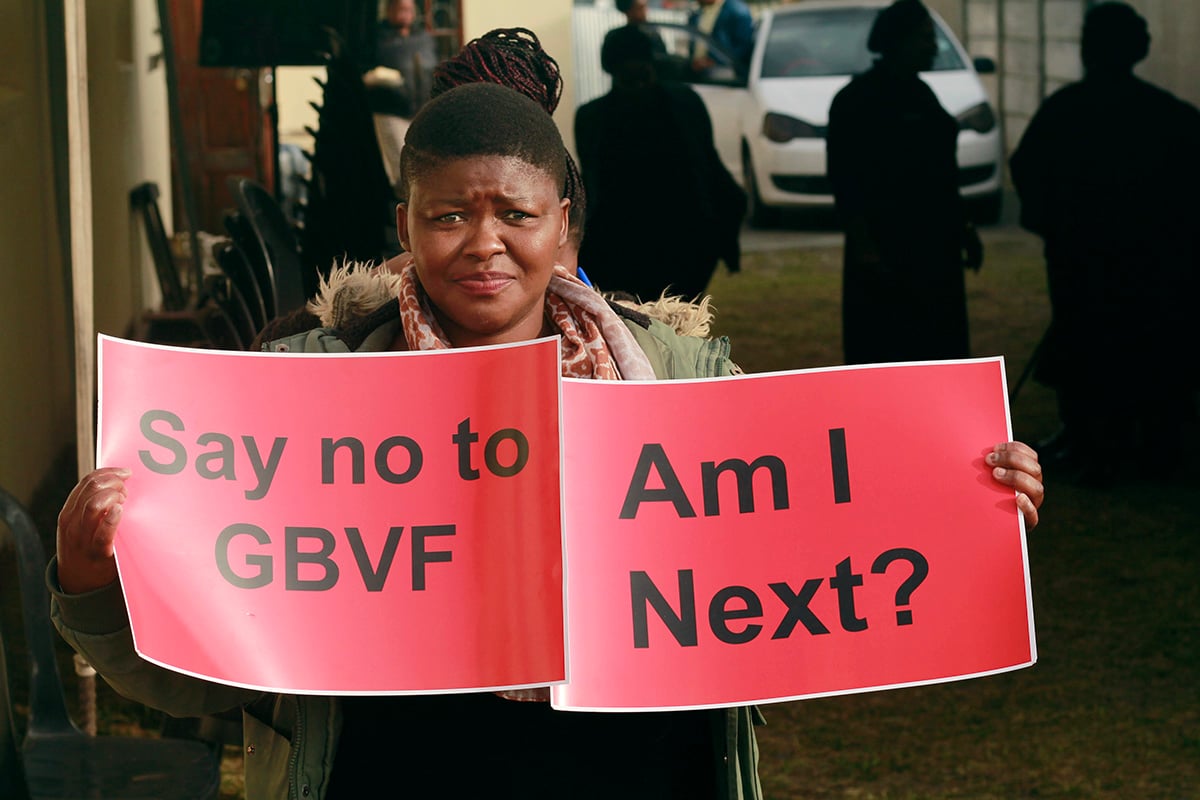

Gender-based violence (GBV) is often spoken about in terms of bruises, broken bones, police files and court cases. But there is another, quieter form of damage that rarely makes headlines: empty plates, weak children, exhausted mothers and families slowly slipping into hunger.
In Uganda, food is not just about what is grown or bought; it is about who controls land, who earns money, who cooks, and who eats first. These roles are deeply gendered. And when violence enters the home, it does more than injure bodies – it disrupts the entire system that keeps a household nourished.
When violence enters the kitchen
Across many Ugandan households, women and girls carry the heaviest load of unpaid work:
- tending kitchen gardens,
- preparing meals,
- breastfeeding and caring for infants,
- nursing the sick and elderly.
Men, on the other hand, more often control land, income and market decisions. In this unequal arrangement, when a woman is beaten, threatened, humiliated or economically controlled, the impact goes far beyond her personal suffering. The social contract that quietly kept food growing, cooked and shared begins to fall apart.
Economic abuse – such as withholding money, forcing sale of household assets, or blocking a woman’s access to markets – directly reduces what a family can eat. Diets become less diverse and more monotonous. Meat, eggs, fruits and vegetables disappear from plates, replaced by cheaper, filling but less nutritious staples.

Physical injuries and emotional trauma reduce a woman’s ability to walk long distances for water or firewood, work in the garden, prepare meals, or take children for immunisation and growth monitoring. In many abusive homes, women and girls eat last or least. Children miss meals or survive on cheaper, less nutritious food.

This is not just theory. We see the outcomes in our clinics: higher rates of stunting, low birth weight, anaemia and poor developmental milestones in children from households where GBV is present.
The indirect, invisible pathways to hunger
The links between GBV and poor nutrition are both direct and subtle.
Directly, physical and sexual violence increase a woman’s health needs and her body’s nutritional requirements, at the very same time her ability to earn or produce food is reduced.
Indirectly, chronic stress, depression, fear and social isolation undermine appetite, breastfeeding, and the motivation to seek health and nutrition services. A mother who is constantly afraid is less able to concentrate on feeding routines, stimulation and care for her children.
In times of food shortage or crisis, the situation becomes even more desperate. Women and girls may be pressured into transactional sex or risky relationships just to secure food for their families. In such cases, the price of a meal is paid with dignity, safety and health – a devastating trade-off that multiplies harm across generations.
What GBV looks like on a child’s growth chart
If we choose to look closely, violence leaves a trace in bodies and behaviours long before it becomes a headline. Nutritional and health indicators can be silent alarms for underlying GBV:
- Children with faltering growth – low weight-for-age, stunting or wasting – even when the wider community has adequate food.
- Repeated low birthweight babies or persistent maternal undernutrition during pregnancy.
- Maternal anaemia, weight loss or low BMI that does not improve despite routine supplementation.
- Poor infant feeding practices – early stopping of exclusive breastfeeding, irregular complementary feeding, or feeding children and mothers last.
- Low dietary diversity and meal frequency within the same household, with food quietly diverted away from mothers and girls.
- Frequent childhood illnesses, missed clinic appointments and incomplete immunisations.
- Signs of psychosocial neglect: withdrawn children, delayed growth monitoring, caregivers openly expressing stress, depression or feeling unable to cope.
These are not just “nutrition problems.” Often, they are the nutritional fingerprints of violence.
What must change: from the home to national policy
If we are serious about ending hunger and malnutrition in Uganda, we cannot treat GBV as a separate, “social” issue. Ending violence at home is nutrition work. It is child survival work. It is economic development work. That means action on many fronts.
1. Make health and nutrition services safe entry points for survivors
Nutrition clinics, ANC, immunisation days and community outreach are often the only contact many women have with formal systems. Health workers should be trained to:
- ask safely and sensitively about violence,
- offer confidential counselling,
- link survivors to protection, legal and social services.
This is not about turning every clinic into a police post – it is about recognising that a malnourished child may be a warning sign of a violent home.
2. Promote shared caregiving and joint decision-making
We must move away from the belief that feeding and caring for children is “women’s work” while men only “provide.” Community dialogues, men’s engagement programmes and faith-based initiatives can encourage fathers to:
- participate in child feeding and care,
- share household chores,
- make financial decisions together with their partners.
When men share care and control of resources, the pressure on women reduces, and families make better nutrition choices.
3. Pair economic support with protection
Cash transfers, savings groups and livelihood projects can help families buy more diverse and nutritious foods. But if they are introduced into violent homes without safeguards, they can increase risk, especially when men feel threatened by women’s increased income.
Economic programmes must therefore:
- include counselling and conflict resolution,
- offer legal aid where necessary,
- deliberately build women’s financial autonomy while engaging male partners constructively.
4. Create safe spaces and insist on accountability
Survivors need places where they can go without fear: shelters, safe houses, confidential helplines and survivor-friendly police and justice systems. But services alone are not enough. Communities must be educated so that leaving an abusive relationship is not seen as shameful but as an act of courage that deserves support.
5. Heal minds, not just feed bodies
Parenting support, mental health services, and trauma-informed nutrition counselling help survivors rebuild routines of care and trust. A mother who feels psychologically supported is more likely to breastfeed effectively, prepare regular meals, and seek care early when a child is sick.
6. Transform tomorrow’s adults: school and youth programmes
Schools are fertile ground for changing norms. When we teach children – especially boys – about respectful relationships, consent and gender equality, we interrupt the cycle of violence before it hardens. Young men who learn that strength is not measured by domination are less likely to repeat violent patterns at home.
7. Monitor food with a gender lens
Community nutrition programmes must stop looking only at how much food is in a household and start asking who actually eats it. Tracking intra-household food distribution, meal patterns and growth outcomes by sex and age can reveal hidden inequalities – and guide more targeted interventions.
Treat violence as a nutrition emergency
No single programme will end GBV or malnutrition. But we can make real progress when:
- nutrition interventions acknowledge and respond to violence, and
- GBV prevention programmes include economic support and caregiving assistance.
At the heart of this is power. We need:
- more women with secure livelihoods and control over resources,
- more men sharing unpaid care,
- communities that refuse to normalise violence,
- services that reach people where they live, work and seek care.
If Uganda’s children are to truly flourish, we must name violence for what it is: an invisible driver of malnutrition. Food on the table is not enough if fear sits beside it. Only when homes are safe will meals nourish not just bodies, but minds and futures.
The Writer, Daniel Kamara, is an Outstanding Nutritionist of the Year – Ministry of Health Heroes in Health Awards and Nutritionist at Bwindi Community Hospital in Kanungu District.